How to Achieve Consistent Quality in CNC Production?

Time:2026-05-19 Author:Henry
0%

In the realm of CNC (Computer Numerical Control) production, achieving consistent quality is paramount for manufacturers striving to stay competitive. According to a report by MarketsandMarkets, the global CNC market is projected to reach $117.93 billion by 2025, with a CAGR of 6.4%. This growth underscores the increasing demand for precision manufacturing and high-volume production capabilities. To address these demands, companies often grapple with the pivotal question: how to ensure repeatability in high-volume CNC production?

Maintaining consistency is not merely a best practice; it is a necessity. Companies must focus on several critical elements: machine calibration, tool management, and operator training. A study from the National Institute of Standards and Technology found that up to 30% of manufacturing errors can be traced back to inadequate operator skillsets. In high-volume environments, even minor discrepancies can lead to significant financial losses.

Despite advancements in technology, challenges remain. Variability in raw materials, equipment wear, and operational oversight can all contribute to inconsistencies. Therefore, implementing robust quality control measures and continuous improvement strategies is essential. Manufacturers must reflect on their processes regularly to identify areas for improvement, ensuring product quality remains unwavering in the face of production demands.
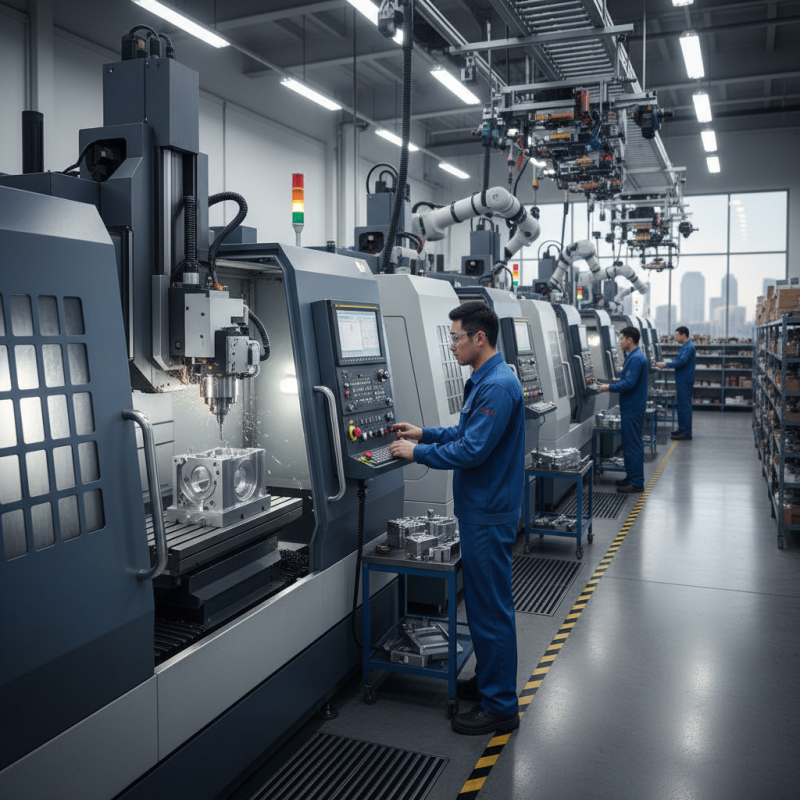
How to Achieve Consistent Quality in CNC Production?

Factors Influencing Consistent Quality in CNC Production Processes

Achieving consistent quality in CNC production relies on several key factors. The precision of the machinery is essential. A well-calibrated machine minimizes errors. Regular maintenance plays a crucial role in maintaining accuracy. Operators must be well-trained to recognize early signs of wear or malfunction. A small oversight can lead to significant defects.

Material selection is also critical. Using high-quality materials reduces variation in finished products. Operators should monitor the material properties closely. Even slight deviations can affect the machining process and end results. Regular inspection of both materials and finished products is vital.

Tips: Implement routine training sessions for operators. This ensures they stay updated on best practices. Leverage technology for real-time monitoring of processes. Automated systems can flag inconsistencies early. Lastly, establish a feedback loop. Encourage operators to report findings and suggestions. This creates a culture of quality and continuous improvement.

Importance of Machine Calibration and Maintenance for CNC Quality

Machine calibration and maintenance are vital to ensure consistent quality in CNC production. Proper calibration helps maintain precision. Even a slight misalignment can lead to significant defects. Regular checks help in identifying issues before they escalate. For instance, a simple adjustment in the machine axis can save a production line from costly errors.

It's crucial to schedule frequent maintenance. Accumulated wear and tear can reduce a machine's efficiency. You might plan for monthly inspections. Consider checking the spindle bearings and tool holders. Small issues can manifest into larger problems without timely intervention.

Tips: Always document maintenance activities. This creates a reliable history. Regularly review performance metrics for patterns of decline. Training staff on machine care also enhances overall quality. Mistakes happen, but reflection can lead to improvement. Consistency in maintenance is key, though imperfections may still persist. Embrace these moments for growth and learning in CNC quality.

Role of Raw Material Quality in CNC Production Consistency

The consistency of CNC production hinges significantly on the quality of raw materials. High-quality raw materials lead to superior final products. Precision machining processes rely on materials that possess uniform characteristics. Variations in raw material quality often result in defects during production.

Recent industry reports indicate that up to 60% of production issues stem from inadequate raw material quality. For instance, variations in hardness or composition can lead to inconsistent machining results. CNC machines are designed for precision, yet they can only perform as well as the materials used. Poorly chosen materials can cause excess wear on tools and lead to unforeseen downtime.

Moreover, sourcing raw materials from reliable suppliers is crucial. A report from a manufacturing association suggested that companies prioritizing raw material quality experience up to a 30% reduction in scrap rates. However, achieving consistent material quality can be challenging due to fluctuations in supply or mergers in the industry. Manufacturers must continuously assess their raw materials to uphold CNC production standards. Raw material quality is not merely an operational concern; it is vital for maintaining competitiveness in an increasingly demanding market.

Impact of Raw Material Quality on CNC Production Consistency

Implementing Quality Control Measures in CNC Machining Operations

Quality control is essential in CNC machining operations. A report from the National Institute of Standards and Technology (NIST) emphasizes that nearly 70% of production errors arise from inadequate quality controls. Regular inspections and automated measurement tools can mitigate these issues.

Implementing effective quality control measures involves more than just inspections. Operators must use calibrated tools and maintain a clean workspace. The American Society for Quality (ASQ) suggests that 30% of CNC operators overlook calibration, leading to costly reworks. Training staff to recognize possible defects is critical. Operators should also document processes for better accountability.

Data from a manufacturing survey revealed that 50% of companies improved their output quality by implementing systematic audits. Regular reviews and adjustment of quality measures create a culture focused on consistency. However, many still hesitate to adopt full-scale changes. This reluctance may stem from past experiences with failed implementations. Continuous improvement requires an open mindset and acknowledging that perfection is a journey, not a destination.

Utilizing Advanced Software Solutions to Enhance CNC Quality Standards

Achieving consistent quality in CNC production requires a holistic approach. The integration of advanced software solutions plays a crucial role. These tools can automate processes, ensuring precision and minimizing human error. Quality control becomes more manageable when software monitors every step in real-time. However, not all software integrates seamlessly with existing systems.

Incorporating advanced analytics is essential. Software can analyze historical production data to identify trends and potential issues. This data-driven approach enhances decision-making processes. Yet, team members must be trained to interpret these insights effectively. Without proper training, valuable data can go unused or misinterpreted.

Investing in software also raises challenges. High costs can deter smaller operations from implementing these solutions. Additionally, over-reliance on technology might lead to complacency in manual checks. Techniques like random audits remain vital. Failure to address this may result in overlooked defects, hurting overall production quality. Balancing technology with human oversight is key to achieving the desired quality standards.

How to Achieve Consistent Quality in CNC Production?

Quality Indicator Current Value Target Value Variance Improvement Actions
Dimensional Accuracy (%) 98.5 99.5 -1.0 Optimize tool paths
Surface Finish (Ra µm) 1.5 1.0 +0.5 Adjust cutting parameters
Production Yield (%) 95 98 -3 Enhance quality control
Lead Time (Days) 15 10 +5 Streamline processes
Customer Satisfaction (%) 88 95 -7 Collect and act on feedback

FAQS

: What factors influence CNC production quality?

: Key factors include machine precision, operator training, material selection, and regular inspections.

Why is machine calibration important?

Proper calibration maintains precision. Even slight misalignments can cause significant production defects.

How often should maintenance be performed on CNC machines?

Regular maintenance should ideally be scheduled monthly to prevent accumulated wear and tear.

What can happen if operators skip machine inspections?

Skipping inspections can lead to unnoticed issues, resulting in costly errors during production.

How does material selection impact quality?

High-quality materials reduce variation. Even minor deviations can affect the machining results.

Are training sessions beneficial for CNC operators?

Yes, routine training keeps operators updated on best practices, improving overall quality.

What role does quality control play in CNC operations?

Quality control mitigates production errors through inspections and the use of calibrated tools.

Why do some companies resist implementing new quality measures?

Past experiences with failed implementations can create hesitation to adopt full-scale changes.

How can a feedback loop improve CNC operations?

Encouraging operators to report findings fosters a culture of quality and continuous improvement.

What is a potential downside of routine maintenance?

While routine maintenance is crucial, minor imperfections can still persist, requiring reflection for improvement.

Conclusion

Achieving consistent quality in CNC production is critical for ensuring repeatability in high-volume manufacturing. Several factors influence this consistency, including machine calibration and maintenance, which are essential for maintaining precision and accuracy in machining operations. Regular maintenance schedules help prevent breakdowns and errors that could compromise product quality.

Furthermore, the quality of raw materials significantly impacts the final output; thus, sourcing high-grade materials is crucial. Implementing robust quality control measures throughout the production process can detect issues early. To further enhance quality standards, utilizing advanced software solutions for monitoring and managing production processes will provide data-driven insights that aid in maintaining high consistency and reducing variability in CNC operations. Overall, focusing on these elements will help manufacturers achieve the desired repeatability and quality in their CNC production.

Henry

Henry

Henry is a dedicated marketing professional with a profound expertise in the company's offerings. With years of experience in the industry, he possesses an impressive understanding of the market dynamics and consumer behaviors that drive success. Henry is committed to sharing his insights through......