Achieving high-quality tolerances in CNC parts is crucial for many industries. According to a recent report by Deloitte, precision manufacturing contributes significantly to productivity and quality in the aerospace and automotive sectors. Companies are increasingly focusing on how to maintain high-quality tolerances in CNC parts to enhance their competitiveness.
The process demands skilled technicians and advanced machining tools. Research by the National Institute of Standards and Technology emphasizes that intricate designs require stringent adherence to specifications. However, many manufacturers face challenges in achieving consistent tolerances. Factors such as machine calibration and tool wear can lead to variability in production, raising questions about quality control.
Manufacturers must adopt robust strategies to address these issues. Regular equipment maintenance and quality assurance processes are essential. Educating workers on tolerances and setups can improve outcomes. However, it’s critical to acknowledge that even the best systems are not foolproof. Slight variations can still occur, necessitating a continuous commitment to improvement and reflection on practices.
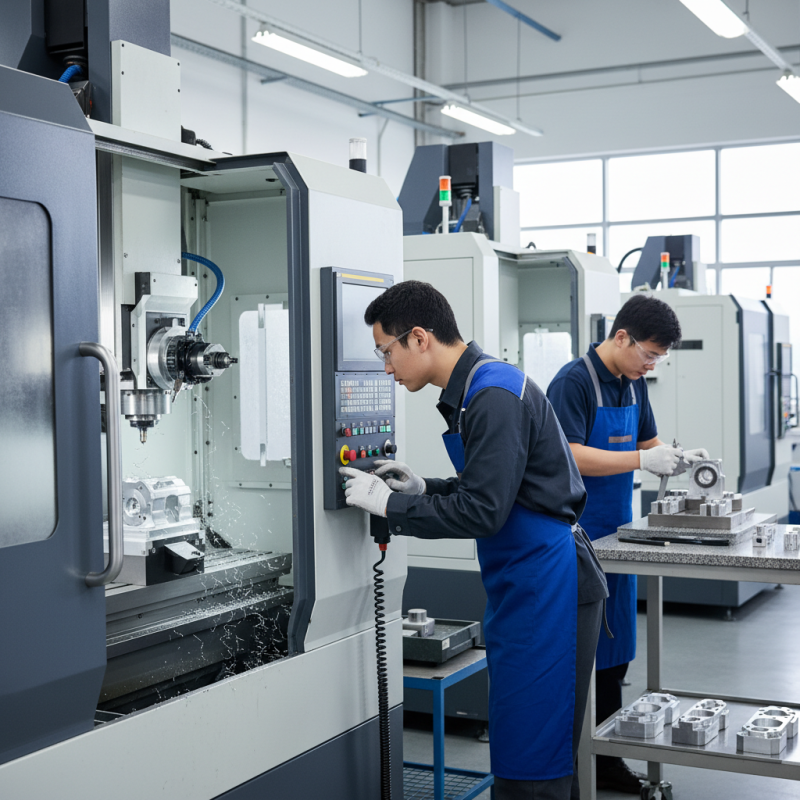
In CNC machining, understanding tolerance specifications is critical for producing high-quality parts. Tolerances define the allowable limits of variation in a manufactured component. Engineers must carefully analyze drawings and specifications to ensure all tolerances are met. Each part may require different tolerances based on its function, material, and production method.
Selecting the right tools and techniques greatly influences tolerance achievement. Precision tools contribute to more accurate cuts, but may be costly. Alternatively, less costly tools can lead to wider tolerances and potential rework. Identifying the right balance is key. Mistakes in interpreting tolerances can lead to costly failures. Often, slight miscalculations result in parts that do not fit or function as intended.
Regular communication among team members is essential. Everyone involved in the machining process should have a clear understanding of tolerance requirements. However, not all teams fully grasp this concept. This can lead to inconsistencies in production. Continuous training and reviews can help bridge knowledge gaps. Machine operators also need to engage in self-reflection on their practices. Small adjustments in technique can have significant impacts on final product quality.
Material selection is critical when aiming for high quality tolerances in CNC parts. Different materials have varying properties that impact machining precision. For instance, metals like aluminum and stainless steel exhibit ideal characteristics for tight tolerances. They can withstand the rigors of CNC machining, ensuring consistent results. However, not all grades of these materials are equally effective. Choosing the right grade is essential; a poor choice can lead to warping or deformation.
Tips: Always check the material's machinability rating. This helps in selecting a material that aligns with your tolerance goals. Additionally, consider the thermal expansion properties of the material. A high expansion rate can lead to inaccuracies during the machining process.
On the other hand, some materials can be more challenging. Composites, while lightweight, may require specialized tools for optimal results. These materials can be unpredictable in terms of behavior during machining. This unpredictability can lead to inconsistencies in tolerances. Therefore, having a thorough understanding of the specific material properties, like hardness and tensile strength, is essential.
Tips: Test cutting conditions and tools before committing to a full batch. Make adjustments based on initial results to improve quality. Engaging with experienced machinists can also provide insights into these nuances.
Achieving high quality tolerances in CNC machining relies on several key techniques. Precision is paramount. Using the right tools is essential. This includes maintaining proper tool sharpness and selecting suitable materials. Regularly inspect your tools to ensure optimal performance. Dull tools can lead to increased tolerances and poor finishes.
Another crucial technique is optimizing the feed rate and spindle speed. These settings can significantly impact the accuracy of the part. For harder materials, slower feed rates often yield better results. However, too slow may lead to overheating. A balance is necessary for achieving the desired outcomes.
Tips: Always perform a test run with your machine setup. This helps identify issues before full production begins. Monitor temperature and vibrations during machining. These factors can indicate problems that need attention. Keep a log of your settings and results for future reference, allowing for improvements in your process. Regularly review these logs to identify patterns that might need adjustments. Tolerance is about precision, but perfection is often unattainable. Recognizing that there will always be some level of error is crucial for continuous improvement.
Precision in CNC machining demands rigorous measurement techniques. Tolerance validation relies heavily on reliable measuring instruments. These tools include calipers, micrometers, and gauges. Each instrument serves a specific purpose and offers varying levels of accuracy. For instance, calipers are excellent for quick checks, but they lack the precision needed for critical measurements.
In practice, operators may find discrepancies between expected and actual part tolerances. This requires a keen eye for detail and a systematic approach to validation. Frequent calibration of measuring instruments is vital. An uncalibrated tool can lead to errors in part design and production. Operators should conduct regular checks and maintain meticulous records. Modalities such as statistical process control can identify trends and anomalies in measurements.
While advanced tools exist, even simple instruments can provide valuable insights. Understanding their limitations is crucial. There’s always room for improvement in measurement techniques. Reflecting on past errors can foster better practices in tolerance validation. Each error offers a lesson, making the journey toward precision both challenging and rewarding.
When working on CNC parts, maintaining tight tolerances is crucial. Challenges often arise during machining processes. Factors like tool wear, machine calibration, and material properties can all impact precision. These issues can lead to parts that do not meet specifications.
One effective solution is regular tool inspections. Worn tools can create inaccuracies. Frequent checks ensure tools are sharp and functioning correctly. Adjusting machine settings helps maintain the desired tolerances as well. Always calibrate your CNC machine before starting a new job.
In addition, choosing the right material plays a significant role. Different materials respond differently during machining. Some may expand or contract more than others. This behavior can affect tolerance levels. Understanding the material's characteristics is essential for accurate parts.
Tips for improving CNC part tolerances include using higher quality cutting fluids. They can reduce friction and heat, preventing tool wear. Implementing a rigorous training program for operators can also enhance results. Skilled machinists are better at identifying and resolving issues on the fly.
: Material selection impacts machining precision significantly. Different materials have unique properties affecting the final outcome.
These metals offer strength and durability. They resist warping, providing consistent results during machining.
Not all material grades are effective. Poor choices can lead to deformation, compromising tolerance and quality.
Always check the material's machinability rating and thermal expansion properties to ensure it aligns with tolerance goals.
Composites are lightweight but require specialized tools. Their behavior during machining can be unpredictable, risking inconsistencies.
Accurate measurements ensure parts meet specified tolerances, reducing discrepancies and improving overall quality.
Calipers, micrometers, and gauges are typical. Each tool has a specific purpose and varying levels of accuracy.
Regular calibration is essential. An uncalibrated tool can lead to significant errors in part design and production.
Reflect on past errors to foster better practices. Frequent checks and maintaining records can enhance overall accuracy.
Yes, even basic tools can offer insights. However, understanding their limitations is crucial for effective usage.
Achieving high-quality tolerances in CNC parts is crucial for ensuring precision and functionality in manufacturing. To maintain high-quality tolerances in CNC parts, it is essential to understand tolerance specifications, which outline the permissible limits of variation in machined components. Material selection significantly influences tolerances, as different materials respond uniquely to machining processes. Employing key CNC machining techniques, such as optimized cutting speeds and feeds, can enhance precision.
Moreover, utilizing accurate measuring instruments is vital for validating tolerances and ensuring that parts meet specifications. However, maintaining high quality can present challenges, including machine wear and thermal expansion. Identifying these common issues and implementing effective solutions will help sustain the integrity of CNC part tolerances, ultimately improving product quality and reliability.

Gemnexa CNC