How to Achieve Perfect Tolerances in Aerospace CNC Parts?

Time:2026-06-26 Author:Ethan
0%

In the aerospace industry, achieving perfect tolerances is critical for safety and performance. Parts for aircraft must often meet tolerances within ±0.0005 inches, as per the Aerospace Industries Association (AIA). With stringent requirements, manufacturers grapple with "How to handle tight tolerances in aerospace CNC parts?"

Precision machining techniques, advanced software tools, and skilled operators play significant roles in producing parts that adhere to these specifications. Data from the Federal Aviation Administration (FAA) indicates that nearly 80% of quality issues arise from manufacturing errors. Thus, understanding and executing precise CNC machining processes become essential.

However, despite technological advancements, challenges remain. Variations in material properties and environmental factors can lead to deviations in tolerances. Manufacturers must continuously reflect on their processes and technologies to mitigate these issues. The quest for perfection in aerospace CNC parts is ongoing, requiring a commitment to innovation and quality control.
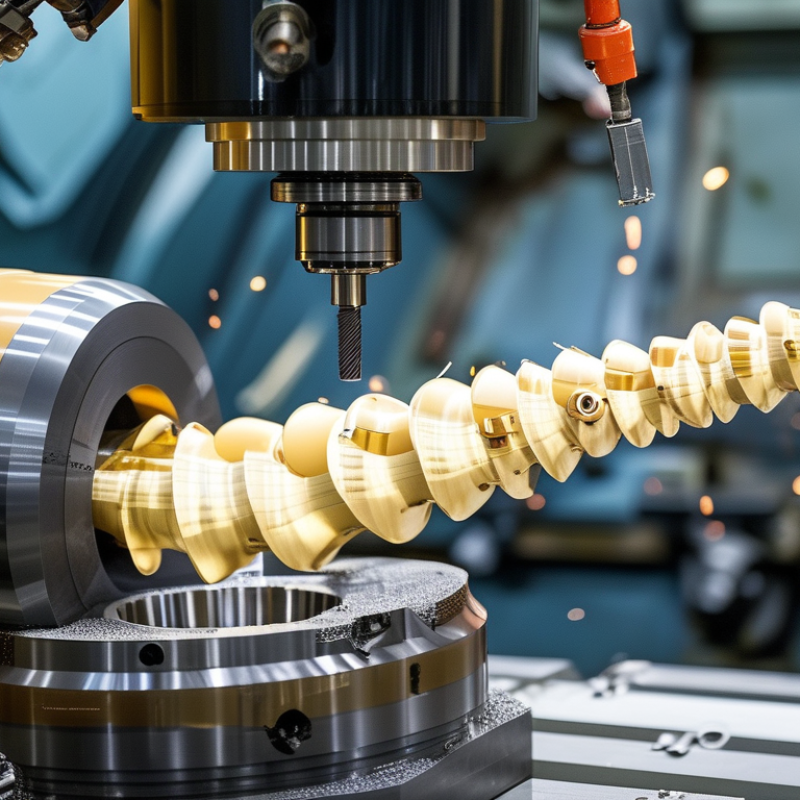
How to Achieve Perfect Tolerances in Aerospace CNC Parts?

Understanding Tolerance Requirements in Aerospace CNC Manufacturing

In aerospace CNC manufacturing, understanding tolerance requirements is crucial. Tolerances define how much variation is acceptable in dimensions of parts. In the aerospace industry, tight tolerances are the norm. This ensures safety and reliability. Even small deviations can lead to serious issues.

Achieving precise tolerances starts with careful planning. Engineers need to collaborate closely with CNC machinists. This helps in selecting appropriate materials and machining techniques. Different materials respond differently to machining. Regular inspections and measurements during the process can help identify potential issues early.

**Tip:** Use digital tools to monitor tolerances in real-time. This can prevent errors before they become costly. It's essential also to standardize procedures. Consistency can significantly reduce variations.

Sometimes, achieving perfect tolerances can be a challenge. Even seasoned professionals may encounter unexpected variations. Factors such as machine wear, tool wear, or temperature fluctuations can all affect precision. Reflecting on past machining processes can yield valuable insights for improvement.

**Tip:** Document and analyze every machining run. This practice can highlight patterns and pinpoint areas for enhancement. With constant evaluation and adjustment, achieving the desired tolerances becomes more attainable.

Achieving Perfect Tolerances in Aerospace CNC Parts

This chart illustrates the tolerance requirements for various critical dimensions in aerospace CNC manufacturing. The data represents the common tolerance levels needed for precision components.

Key Factors Affecting Tolerances in CNC Machining Processes

Achieving perfect tolerances in aerospace CNC parts requires a deep understanding of various factors. The precision of CNC machining heavily relies on machine capability. Different machines have unique limits that affect the final product. Regular calibration and maintenance can help enhance accuracy. Yet, unexpected wear and tear may challenge even the best machines.

Material selection also plays a critical role in maintaining tolerances. Specific materials react differently during the machining process. For example, certain metals might expand under heat, leading to unintended variations. It’s essential to conduct thorough material tests before commencing production. Furthermore, machining parameters such as feed rate and spindle speed must be optimized. Improper settings can result in oversize or undersize parts. Even experienced engineers can overlook these subtle details, which affects the end result.

Lastly, operator skill cannot be underestimated. Skilled machinists can compensate for some machine and material limitations. Unfortunately, not all operators possess advanced expertise. Continuous training and development are crucial in this field. Machine settings might work for some projects but not for others. Critical reflection on past projects can reveal areas for improvement. Each part produced offers a lesson in achieving better tolerances.

Techniques for Achieving Precision in Aerospace CNC Parts

Achieving precision in aerospace CNC parts requires specific techniques and methodologies. A key approach is the use of advanced toolpath strategies. These strategies optimize machining efficiency while ensuring that tolerances remain tight. Employing adaptive machining techniques can help in adjusting feeds and speeds according to material conditions, leading to improved precision.

Another important aspect is tool selection. High-quality cutting tools reduce wear and improve dimensional accuracy. Regular tool inspection and maintenance are critical. Even the best tools can wear out, leading to defects. In some cases, a worn tool can result in an entire batch of parts being out of specification. This underscores the need for constant monitoring.

Measurement techniques also play a vital role. Using coordinate measuring machines (CMM) allows for precise verification of part dimensions. However, incorrect setup or calibration of the CMM can yield misleading results. Ensuring the right operator training is essential to avoid such pitfalls. Regular calibration schedules should not be overlooked to maintain accuracy. These considerations illustrate the complexities involved in achieving perfect tolerances in aerospace CNC machining.

How to Achieve Perfect Tolerances in Aerospace CNC Parts? - Techniques for Achieving Precision in Aerospace CNC Parts

Technique Description Precision Level Typical Applications
Computer-Aided Design (CAD) Utilizes software to create detailed 3D models to minimize errors in design. ±0.01 mm Structural components
Advanced Tooling Using specialized tools designed for high precision cutting and shaping. ±0.005 mm Engine components
Multi-Axis Machining Enables machining in multiple directions for complex shapes. ±0.002 mm Aero-structural parts
Quality Control (QC) Measures Implementing systematic inspections and testing to ensure parts meet specifications. N/A All aerospace components
Material Selection Choosing high-quality materials optimal for strength and machinability. N/A Critical load-bearing applications

Quality Control Measures for Maintaining Tolerance Standards

Achieving perfect tolerances in aerospace CNC parts requires rigorous quality control measures. Industry reports indicate that maintaining tolerances often hinges on precise calibration of CNC machines. A study revealed that a mere 0.002-inch deviation can lead to significant performance issues in critical applications. Regular calibration checks are essential to ensure machines operate within specified limits.

Advanced inspection techniques such as laser scanning or coordinate measuring machines are vital. These tools provide detailed feedback on the dimensional accuracy of parts. According to recent surveys, 30% of manufacturers undershoot tolerance requirements due to inadequate inspection practices. Implementing more robust inspection protocols can significantly enhance product reliability.

It’s crucial to recognize that while many strive for perfection, there are persistent challenges. Inconsistent raw material quality can lead to unpredictable machining results. Additionally, human error during setup can result in parts that do not meet design specifications. Regular training for operators and strict adherence to standard operating procedures are necessary to minimize these risks. Ensuring continuous improvement in quality control processes is fundamental to achieving the high standards required in aerospace manufacturing.

The Role of Advanced Technology in Aerospace Part Tolerances

Achieving precise tolerances in aerospace CNC parts is a complex challenge. Advanced technology has significantly changed this landscape. CNC machines today are equipped with software that utilizes artificial intelligence and machine learning. This aids in enhancing precision and repeatability. But technology alone is not enough.

Utilizing advanced tools like laser measurement systems provides real-time feedback. This enhances the accuracy during machining processes. However, even with cutting-edge technology, human error remains a critical factor. Operators must be well-trained and experienced to interpret data correctly. An oversight can lead to significant deviations, affecting overall performance.

Further innovation comes from additive manufacturing. This technology allows for more intricate designs that would be impossible with traditional methods. However, some materials and structures can present challenges. The need for constant adaptation and learning is vital in this evolving field. Balancing technology with human expertise remains essential in achieving impeccable tolerances.

FAQS

: Why are tolerance requirements important in aerospace CNC manufacturing?

: Tolerance requirements ensure safety and reliability by defining acceptable variations in part dimensions.

What factors affect achieving precise tolerances in machining?

Machine capability, material selection, and operator skill can all influence precision and tolerance levels.

How can engineers improve collaboration with machinists?

Close collaboration helps in choosing suitable materials and machining techniques early in the process.

What tool can help monitor tolerances effectively?

Digital tools allow real-time monitoring of tolerances to prevent costly errors in production.

What challenges can arise when achieving perfect tolerances?

Unexpected variations due to machine wear, tool wear, or temperature fluctuations may pose challenges.

Why is documentation of machining runs important?

Documenting machining runs helps identify patterns and areas for improvement, aiding future process enhancements.

How does operator skill impact CNC machining precision?

Skilled machinists can counteract some limitations, while less experienced operators might struggle with complex settings.

Can material selection impact the precision of CNC machining?

Yes, different materials react differently during machining, affecting the final part dimensions significantly.

What role does calibration play in CNC manufacturing accuracy?

Regular machine calibration enhances accuracy but may still face challenges from unexpected wear and tear.

How can constant evaluation of machining processes help?

Continuous evaluation allows for adjustments that make achieving desired tolerances more feasible over time.

Conclusion

Achieving perfect tolerances in aerospace CNC parts is crucial for ensuring the safety and performance of aircraft. Understanding tolerance requirements is the first step in this process, as it establishes the specifications that must be met. Several key factors influence tolerances in CNC machining, including the precision of the machines, the quality of materials, and the expertise of the operators. Techniques such as advanced machining strategies, tool selection, and optimizing cutting parameters play a significant role in reaching the desired precision.

To maintain stringent tolerance standards, quality control measures must be implemented throughout the manufacturing process. This includes regular inspections and the use of advanced measuring technologies. Advanced technology, such as automation and real-time monitoring, further enhances the ability to meet tight tolerances. Thus, mastering "How to handle tight tolerances in aerospace CNC parts?" involves a comprehensive approach that integrates understanding requirements, applying precise techniques, and enforcing quality control measures effectively.

Ethan

Ethan

Ethan is a seasoned marketing professional with a deep expertise in our company's innovative product line. With a passion for sharing knowledge and insights, he takes the lead in regularly updating our corporate blog, where he explores industry trends, product features, and effective marketing......