When discussing prototype development, one often asks, "Why is aluminium CNC machining popular in prototype development?" This method has gained momentum in various industries. Aluminium offers unique properties, making it ideal for creating precise and lightweight prototypes. Experts like Dr. Mark Reynolds, a leader in machining technologies, have noted, “Aluminium's versatility accelerates the prototyping process significantly.”
CNC machining allows for intricate designs and rapid iteration. The precision of CNC technology means that prototypes can closely resemble the final product. This accuracy is critical in testing functionality and design. Furthermore, aluminium's strength-to-weight ratio makes designs both robust and easy to handle. These features cater to the demanding needs of today's prototypes.
However, it is essential to address some shortcomings of aluminium CNC machining. While it is cost-effective, there are instances where other materials may offer better performance for specific applications. Additionally, understanding machine settings and tooling can be challenging for newcomers. These factors warrant careful consideration in the prototyping process.
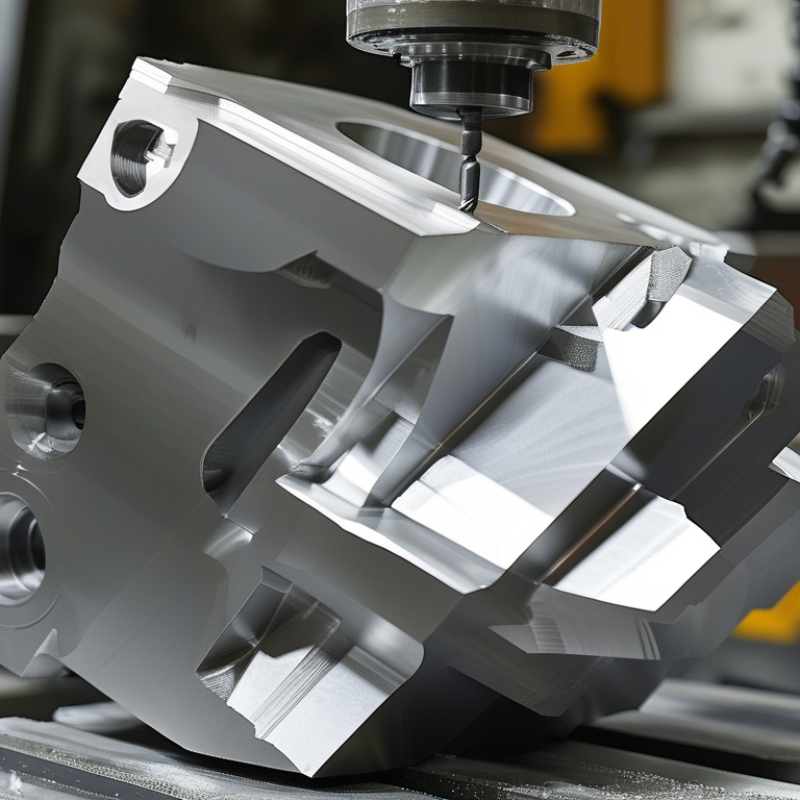
Importance of Aluminium in CNC Machining for Prototyping
Aluminium plays a crucial role in CNC machining for prototyping. Its lightweight nature and excellent strength-to-weight ratio make it ideal for various applications. According to industry reports, aluminium components reduce prototype weight by up to 35% compared to steel. This reduction can improve the functionality of prototypes, affecting performance during testing phases.
Aluminium's machinability is another vital aspect. The material can be easily cut and shaped, allowing for complex designs and precise tolerances. Studies indicate that 98% of engineers prefer aluminium for rapid prototyping due to its adaptability. Moreover, aluminium provides a surface finish that enhances aesthetic appeal, which is critical for prototypes presented to stakeholders.
Tip: Consider using aluminium alloys for added strength and durability. Alloys like 6061 or 7075 offer excellent properties for high-stress applications.
Another point to note is the potential for surface treatment. Treatments such as anodizing can enhance corrosion resistance and longevity. Despite these benefits, remember that not all prototypes need aluminium. Assessing materials based on specific project requirements is essential for achieving the best results.
Advantages of Using CNC Machining for Aluminium Prototypes
CNC machining has revolutionized the production of aluminium prototypes. This technology offers precision and efficiency that traditional methods struggle to match. According to the 2022 Additive Manufacturing Global Market Report, CNC machining contributes significantly to reducing production time, enhancing accuracy, and minimizing material waste, critical factors in successful prototype development.
Aluminium is lightweight yet strong, making it ideal for various applications. With CNC machining, manufacturers can create intricate designs with tight tolerances. A study by the Society of Manufacturing Engineers found that CNC machining can achieve tolerances as tight as ±0.001 inch, which is vital for functional prototypes. However, this process isn't flawless. Imperfections can arise, requiring constant monitoring and adjustments during production.
Moreover, the upfront costs associated with CNC machining can be daunting. Many businesses hesitate to adopt this technology. Yet, the long-term benefits often outweigh initial investments. A report by Deloitte shows that companies using CNC machining reduce their prototyping cycle time by up to 30%. This illustrates why many companies consider CNC machining essential for prototype success.
Key Steps in the Aluminium CNC Machining Process for Prototypes
In the realm of prototype development, aluminium CNC machining plays a crucial role. This process transforms design ideas into tangible products. The accuracy of CNC machining ensures that prototypes are built to exact specifications. Each step in this process requires attention to detail and expertise.
The aluminium CNC machining process involves several key steps.
First, a detailed CAD model is created. This model serves as the blueprint for the machining process. Next, the aluminium block is selected, ensuring the right material properties are met. Once prepared, the CNC machine cuts and shapes the material meticulously. Tools must be regularly maintained for optimal performance. Any minor oversight can lead to costly errors.
After the initial machining, prototypes undergo rigorous testing. Sometimes, results reveal design flaws that require adjustments. Those adjustments reveal areas for reflection and improvement. It's a cycle of refining the prototype to meet necessary standards. This iterative process solidifies the importance of precision in CNC machining for successful prototypes.
Challenges in Aluminium CNC Machining and How to Overcome Them
Aluminium CNC machining plays a crucial role in prototype development, but it is not without challenges. One major issue manufacturers face is the difficulty in achieving tight tolerances.
Maintaining precision can be tricky, especially with softer materials like aluminium. This often leads to inaccuracies that can affect overall prototype function. One solution is to invest in high-quality tooling that can withstand wear and offer better precision during machining.
Another common challenge is the burr formation on machined edges. Burrs can compromise the smoothness required for finished prototypes. Operators must be vigilant and employ deburring techniques, such as using dedicated tools or abrasives.
It’s important to constantly evaluate the machining process to identify when adjustments are needed. Having a procedure for regular maintenance can help reduce the occurrence of these issues over time.
Lastly, achieving a consistent finish can also be problematic. Different machining parameters can yield varying results, leaving some prototypes looking less polished.
Experimentation with speeds and feeds is essential, and operators should document their findings. Tweaking these parameters can lead to a more uniform outcome that meets aesthetic and functional requirements. Emphasizing these steps can lead to smoother operations in aluminium CNC machining and ultimately enhance prototype success.
Real-world Applications of Aluminium Prototypes in Various Industries
Aluminium prototypes play a crucial role in multiple industries, from automotive to aerospace. These prototypes are lightweight yet sturdy, making them ideal for testing and development. In automotive design, for example, engineers use aluminium components to create prototypes that mimic the final product. This allows for rigorous testing of aerodynamics and structural integrity before mass production.
In the aerospace sector, aluminium prototypes help strike a balance between weight and strength. They are essential for developing parts that meet stringent safety standards while maintaining efficiency. However, not every prototype succeeds. Miscalculations or design flaws can lead to failures, emphasizing the need for precise CNC machining. Engineers must continuously refine their designs based on real-world feedback to improve performance.
Medical device manufacturers also benefit from aluminium prototyping. Devices must be lightweight yet durable, and aluminium offers that flexibility. Developing these prototypes involves a learning process that can reveal unexpected challenges. Each iteration brings new insights that enhance the final product. The key is to embrace these lessons to facilitate innovation and ensure that prototypes meet their intended requirements.
Aluminium CNC Machining in Prototype Development
FAQS
: CNC machining offers precision, efficiency, and reduced production time for aluminium prototypes. It minimizes material waste, crucial for successful development.
CNC machining can reach tolerances as tight as ±0.001 inch, which is necessary for functional prototypes. However, maintaining this precision can be challenging.
Manufacturers often struggle with achieving tight tolerances, burr formation, and inconsistent finishes. These challenges can impact prototype functionality and appearance.
Operators should use deburring techniques like dedicated tools or abrasives. Consistent monitoring of the machining process helps identify when adjustments are needed.
The upfront costs of CNC machining can be intimidating. Many businesses weigh these costs against the long-term gains and cycle time reductions.
Aluminium prototypes are crucial in automotive, aerospace, and medical device industries. They allow for rigorous testing while maintaining lightweight and durable characteristics.
Engineers create prototypes to test aerodynamics and structural integrity, simulating final products prior to mass production. This process is vital for finding flaws early.
Regular maintenance and evaluation of machining processes can help overcome challenges. Experimenting with machining parameters leads to consistent finishes and improved outcomes.
Medical device prototypes require a learning process, revealing unexpected challenges. Each iteration provides insights that enhance the final product design.
Design flaws or miscalculations can lead to prototype failures. Continuous design refinement based on feedback is essential for improving performance.
Conclusion
Aluminium CNC machining plays a crucial role in the success of prototyping due to its unique properties and versatility. The lightweight, durability, and excellent machinability of aluminium make it an ideal material for creating prototypes that require precision and strength. Additionally, CNC machining allows for high accuracy and repeatability, ensuring that prototypes can be produced with consistent quality. The popularity of aluminium CNC machining in prototype development stems from these advantageous characteristics, offering designers and manufacturers a reliable method for testing and refining their concepts.
However, challenges such as tool wear and managing thermal expansion can arise during the aluminium CNC machining process. Overcoming these obstacles involves selecting appropriate machining strategies and tools tailored to aluminium's properties. The real-world applications of aluminium prototypes across various industries, from aerospace to automotive, further highlight their significance. This demonstrates why aluminium CNC machining is essential for prototype success, providing an effective pathway from design to production.

 Gemnexa CNC