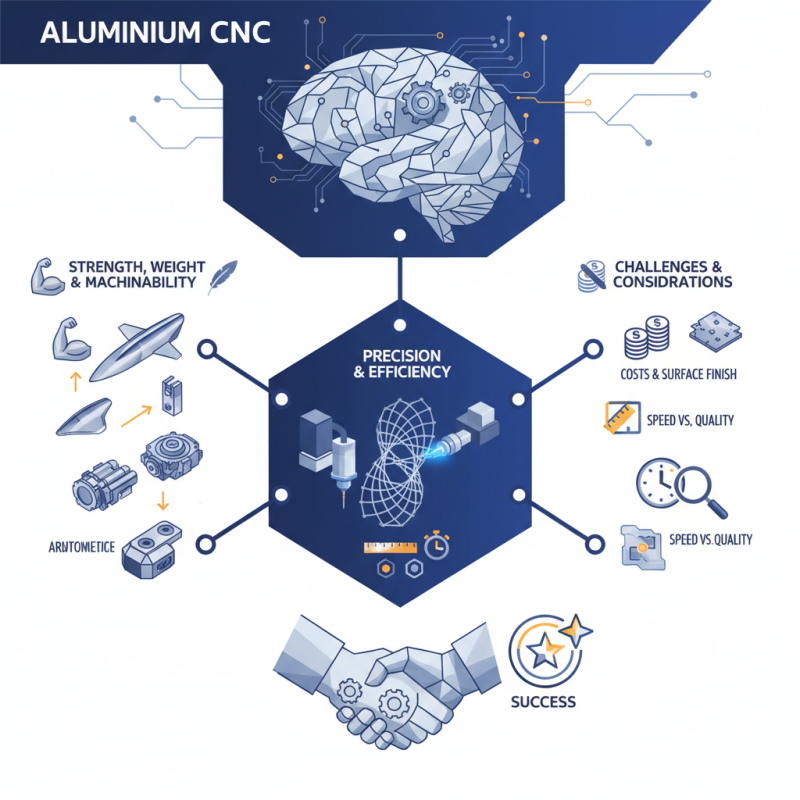
In the realm of prototype development, one question often arises: "Why is aluminium CNC machining popular in prototype development?" According to Dr. Emily Hart, a leading expert in the field of manufacturing engineering, “Aluminium offers a unique balance of strength, weight, and machinability, making it a preferred choice for prototypes.”
Aluminium CNC machining stands out for its precision and efficiency. The process allows for intricate designs and complex geometries, essential for testing innovative products. This versatility is crucial, especially in industries like aerospace and automotive, where prototypes must meet strict specifications. However, it is not without challenges. Managing costs and ensuring surface finish can make or break a project.
Moreover, the speed of CNC machining can sometimes lead to rushed decisions. While fast prototyping is attractive, it may overlook critical details. Striking a balance between speed and quality is essential. As prototyping advances, practitioners must reflect on these aspects. Embracing aluminium CNC machining can yield excellent results, yet it requires careful consideration and expert insight to truly succeed.
Aluminium is a popular choice in CNC machining, especially for prototyping. Its lightweight nature provides significant advantages. This metal is not only strong but also malleable, making it easy to shape into complex designs. These properties allow engineers to create intricate prototypes quickly. Speed is crucial in the prototyping phase. Time saved can lead to a faster market entry.
In the realm of prototyping, the precision of CNC machining becomes vital. Aluminium can be machined to tight tolerances, ensuring that prototypes function as intended. However, achieving these tolerances demands expertise and careful calibration of machines. A minor miscalculation can lead to flaws that require reworking. This underscores the importance of skilled operators in this process.
Another factor to consider is the cost of materials. While aluminium is often more affordable than other metals, there are instances where it may not be the best choice. Certain projects may require stronger materials, despite aluminium’s advantages. As with any prototyping process, assessing the specific needs of the project is essential. Each decision influences the success of the final product.
CNC machining has emerged as a vital tool for prototyping in various industries. The use of aluminum in this process offers significant advantages. One of the primary benefits is its lightweight nature, which is crucial for applications in aerospace and automotive fields. A recent report from the Machining Association revealed that 70% of aerospace prototypes utilize lightweight materials, highlighting aluminum's importance.
Aluminum CNC machining provides precise tolerances, essential for producing functional prototypes. This accuracy can lead to a reduction in iterative cycles, thereby saving time and costs. Research shows that companies using CNC machining for prototyping experience a 40% reduction in lead time. This allows for faster feedback loops and accelerates the innovation cycle.
**Tip:** Consider implementing a live machining simulation. This can help identify critical design issues early in the process, leading to more informed decisions.
Additionally, aluminum's durability enhances the longevity of prototypes. However, achieving a flawless finish is often challenging, requiring advanced programming and skilled operators. Reports indicate that up to 15% of prototypes may need rework due to surface imperfections. Investing in training can help mitigate this issue.
**Tip:** Regularly evaluate your CNC processes for efficiency improvements. Small adjustments can lead to significant benefits over time.
Aluminium is a leading choice in prototyping due to its unique properties. Compared to plastics and steel, aluminium offers a superior balance of strength and weight. According to a recent report by the International Aluminium Institute, aluminium is 30% lighter than steel yet provides similar strength levels. This makes it ideal for quick and efficient product iterations.
When evaluating materials, aluminium stands out with excellent machinability. It allows for tight tolerances and complex geometries, which can be challenging with other materials. In contrast, plastics may warp under heat, while steel often requires longer machining times. The versatility of aluminium enables rapid prototyping, shortening development cycles significantly.
Tip: Always consider the end-use of your prototype. If durability and strength are crucial, aluminium is the way to go.
While aluminium excels, it’s not without challenges. Its cost can be higher than plastics, especially for large volumes. Furthermore, surface finishing can be more demanding compared to simpler materials. Be mindful of these factors when choosing your prototyping material.
Tip: Budget for finishing processes. Plan your design to minimize these costs while still achieving quality.
Aluminium CNC machining plays a pivotal role in prototyping. The process begins with design creation. Designers often use CAD software to translate ideas into digital models. Precision is vital here. Small errors can lead to significant issues in the later stages.
After that, the CNC machining process kicks in. Experts prepare the aluminium block and set the machine’s parameters. Tools need regular calibration to ensure reliable results. Each cut is made with care, shaping the material according to the design. Sometimes, adjustments are necessary during machining. This requires skilled operators to troubleshoot and refine processes.
Once machining is complete, thorough inspection follows. Measurements must align with the original specifications. Any discrepancies can undermine the project's success. These challenges highlight the importance of expertise in CNC machining. Each step matters greatly in achieving a successful prototyping outcome.
Aluminium CNC machining plays a pivotal role in the prototyping process. Industries, ranging from aerospace to automotive, utilize this technique for its precision and efficiency. According to a 2023 industry report, the global CNC machining market is projected to reach $100 billion by 2025. This growth underscores the increasing reliance on advanced machining technologies for prototyping.
In real-world applications, aluminium's lightweight properties significantly enhance product performance. For example, in the aerospace sector, components must minimize weight while maintaining strength. CNC machining allows manufacturers to achieve this balance. Additionally, the ability to create complex geometries with aluminium offers design flexibility, which is vital in prototyping. However, the process can also lead to material wastage if not managed properly.
Another significant factor is the turnaround time. CNC machining can produce prototypes in days rather than weeks. This rapid production is essential for iterative design processes. Yet, it requires skilled operators and careful planning to avoid costly mistakes. As the industry evolves, the challenge remains: how to optimize efficiency while minimizing errors in machining.
: CNC machining offers lightweight properties, precise tolerances, and faster production times. These factors improve product development efficiency.
Aluminum is lightweight and durable, making it ideal for aerospace and automotive applications. Its properties enhance prototype performance significantly.
Yes, it can reduce lead time by up to 40%. This allows quicker feedback and accelerates the innovation cycle.
Yes, achieving a flawless surface can be difficult. Up to 15% of prototypes might need rework due to imperfections.
Live machining simulations help identify design issues early. This leads to more informed decisions and enhances overall efficiency.
Skilled operators are crucial for minimizing errors. Their expertise can greatly affect the quality and efficiency of the machining process.
If not managed properly, the machining of aluminum can result in material wastage. Careful planning is necessary to minimize this issue.
Design flexibility allows for complex geometries, which is essential in industries that require innovative solutions.
Regular evaluation of CNC processes is beneficial. Small changes can lead to improved efficiency over time.
Failing to plan adequately can lead to costly mistakes. Careful consideration is necessary to optimize the machining process.
Aluminium CNC machining plays a pivotal role in successful prototyping due to its lightweight, durability, and excellent machinability. By offering precise tolerances and a smooth surface finish, aluminium stands out compared to other materials, making it an ideal choice for rapid prototyping. The key advantages of using CNC machining for prototyping include increased efficiency, reduced lead times, and the ability to produce complex geometries, which are essential for testing concepts and designs effectively.
When examining why is aluminium CNC machining popular in prototype development, it becomes clear that its favorable properties allow for effective comparisons and iterations in the prototyping phase. The CNC machining process itself, which involves designing, programming, and refining production steps, ensures that the manufactured prototypes meet stringent specifications. In various real-world applications, aluminium CNC machining has demonstrated its versatility, proving invaluable across numerous industries looking to innovate and streamline their product development processes.

Gemnexa CNC