In the world of plastics, blow moulding is a widely used manufacturing process. Despite its prevalence, many professionals ask, "How to prevent defects in plastic blow moulding?" Issues such as uneven wall thickness, misalignment, and surface defects can turn an ideal product into a costly failure. Understanding these defects is essential for maintaining a high standard in production.
An effective approach involves not only technical skills but also consistent quality control. An experienced operator can identify issues before they escalate. Training staff is vital for ensuring that every team member understands potential pitfalls. Regular maintenance of machinery is equally important. Reliability in equipment can greatly reduce the risk of defects that arise from mechanical failures.
However, even with all precautions, defects might occur. Reflecting on past mistakes is crucial for continuous improvement. Analyzing failed products can provide valuable insights. Identifying trends in defects can help in refining processes. Ultimately, mastering the art of blow moulding is a journey of constant learning and adaptation.
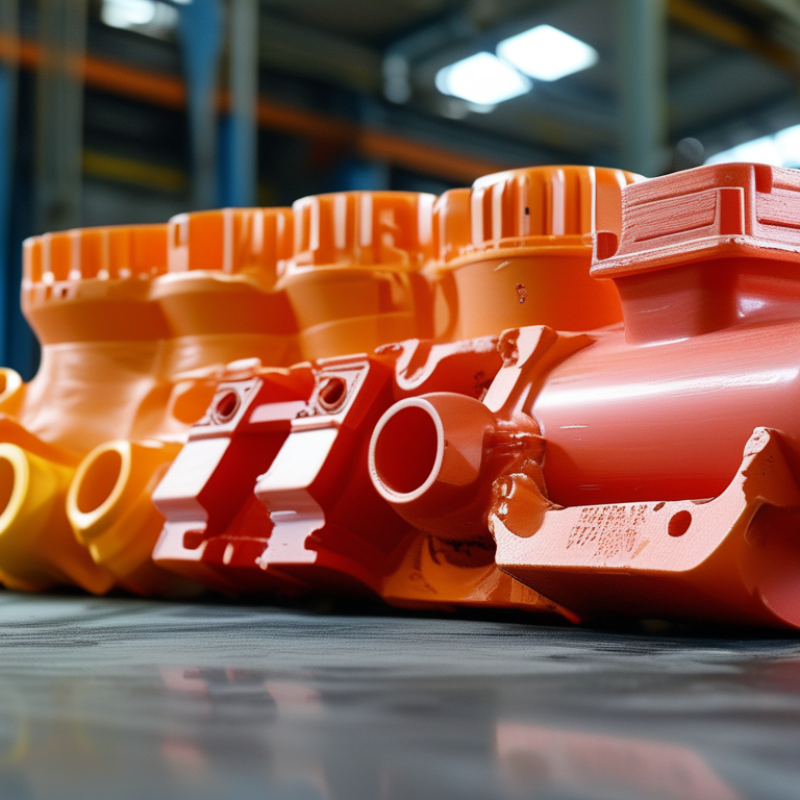
Plastic blow moulding is a popular manufacturing process, yet defects can arise from various factors. Common defects include short shots, surface blemishes, and warpage. Understanding these issues is crucial for effective prevention. According to industry reports, up to 30% of plastic products can experience defects due to improper material handling or machine settings.
Short shots occur when the mould does not fill completely, often due to low material temperature or inadequate pressure. This defect can lead to product failures in application. Surface blemishes, such as splay marks, often arise from moisture in the resin or incorrect processing temperatures. A study from the Society of Plastics Engineers highlighted that over 22% of quality issues stem from surface defects. Warpage, a common concern, results when the cooling rate is uneven, causing dimensional changes.
To mitigate these defects, manufacturers must implement rigorous process controls. Regular maintenance of machinery ensures optimal performance. Additionally, adopting advanced monitoring technologies can help detect anomalies in real-time. Training staff to recognize and address these problems is equally vital, as human error contributes significantly to defect rates. Balancing efficiency with quality remains a challenge for manufacturers, prompting ongoing reflection and adjustment in their processes.
In plastic blow moulding, product quality relies heavily on various factors. Temperature control during the moulding process is crucial. If the material is too hot or cold, it can lead to defects. Monitoring this parameter can make a significant difference. Additionally, the quality of the raw materials plays an essential role. Impurities or inconsistencies in resin can result in weak products. Manufacturers must conduct rigorous testing on their materials before use.
Another key factor is the design of the mould itself. A well-designed mould can ensure even distribution of material and prevent issues like warping. Complex designs may lead to difficulty in maintaining the right pressures. Regular inspections of both moulds and equipment are necessary. Using outdated machinery can increase the likelihood of defects, as wear and tear can affect functionality. Adjusting machinery settings according to maintenance logs can mitigate this risk.
Understanding these influences is vital for achieving high-quality output. Continuous education and training for staff on best practices can improve overall quality. Frequent reflections on process efficiencies may reveal areas needing improvement. Embracing a proactive approach allows manufacturers to adapt to challenges more effectively.
Controlling temperature and pressure is vital in the plastic blow moulding process. Precise regulation can significantly reduce defects. Research indicates that temperature fluctuations can lead to uneven material flow, impacting the final product's quality. For instance, maintaining a consistent temperature within ±2°C can enhance the structural integrity of the moldings.
Pressure management is equally crucial. A recent industry report highlighted that nearly 30% of defects are linked to improper pressure levels. Excessive pressure can cause material deformation, while insufficient pressure may lead to incomplete mold filling. Monitoring these parameters in real-time allows for adjustments, minimizing the risk of defects.
Despite advancements, achieving perfect conditions remains challenging. Operators often face issues with equipment calibration and sensor accuracy. These shortcomings can lead to inconsistencies in the production line. Regular training for staff on the importance of these controls is essential yet sometimes overlooked. Striving for excellence in temperature and pressure management demands continuous improvement and vigilance.
Regular maintenance and calibration of moulding equipment are essential in plastic blow moulding. These practices directly impact the quality of the final products. Each machine part plays a critical role. Any wear or tear affects performance and can lead to defects. Regular checks help identify potential issues early. This proactive approach prevents costly mistakes.
Calibrating equipment ensures that every setting is accurate, which is vital for consistency. Variations in temperature or pressure can cause variation in wall thickness. This inconsistency can compromise product integrity. Scheduling routine maintenance allows teams to monitor equipment closely and make adjustments as needed. Over time, minor equipment adjustments can lead to significant improvements.
Neglecting these practices can be detrimental. Many manufacturers assume machines will function perfectly without oversight. This mindset can lead to increased defect rates. Reflecting on past errors reveals that most issues stemmed from a lack of proper maintenance. Investing time in these practices pays off. It fosters a culture of quality while enhancing operational reliability.
Training personnel on best practices in blow moulding processes is crucial for reducing defects. Understanding the machinery is just the beginning. Operators need to know how to adjust the temperatures and pressures correctly. They must recognize the importance of mold design and cooling rates. This knowledge directly influences the final product's quality.
Regular training sessions can enhance skills and awareness. Hands-on practice allows operators to troubleshoot common issues. Mistakes are valuable learning opportunities. Sometimes, even minor temperature adjustments can lead to significant improvements. Encouraging personnel to share their experiences helps build a culture of learning and reflection.
Documentation should be integrated into the training. Having clear guidelines and checklists can ensure that best practices are followed consistently. Training is not a one-time effort; it needs regular updates to keep pace with technological advancements. Continuous education fosters a deeper understanding of the blow moulding process. This approach not only prevents defects but also boosts the overall efficiency of operations.
| Best Practices | Description | Frequency of Training | Impact on Quality |
|---|---|---|---|
| Regular Equipment Maintenance | Ensure machinery is always in optimal condition. | Monthly | High |
| Material Quality Checks | Test raw materials for defects before production. | Every batch | Very High |
| Training Personnel | Educate staff on best practices and defect prevention. | Quarterly | High |
| Process Parameter Control | Monitor and adjust process parameters regularly. | Daily | Very High |
| Quality Control Inspections | Conduct inspections throughout the production process. | Per shift | High |
| Implementation of SOPs | Use Standard Operating Procedures for consistency. | Annually | Medium |
| Operator Engagement | Encourage operators to report issues immediately. | Ongoing | High |
| Temperature Control | Keep temperature within optimal ranges during production. | Continuous | Very High |
| Feedback Loop | Establish feedback mechanisms for ongoing improvement. | Monthly | Medium |
| Work Environment Maintenance | Maintain a clean and organized work environment. | Daily | High |
: Precise control reduces defects and improves product quality. Temperature fluctuations can lead to uneven material flow.
Inconsistent temperatures can impact the structural integrity of the moldings. A stable temperature is crucial.
Improper pressure levels account for 30% of defects. Excess pressure deform materials; insufficient pressure leads to incomplete fills.
Calibrating equipment ensures accurate settings, which helps maintain consistent temperature and pressure during production.
Regular maintenance checks are critical. They prevent performance issues and help identify problems before they escalate.
Neglect can lead to increased defects. Many issues stem from a lack of proper equipment oversight.
Training ensures operators understand machinery and can adjust parameters correctly, directly impacting product quality.
Regular training sessions enhance skills and promote a learning culture. Mistakes can lead to valuable insights.
Documentation, guidelines, and checklists are essential. They help ensure best practices are consistently followed.
Training must be ongoing. Regular updates are needed to keep pace with technological advancements.
To address the question of "How to prevent defects in plastic blow moulding?", it is crucial to first understand the common defects that can arise during the process. Factors influencing product quality include material selection, mould design, and processing conditions. By identifying these variables, manufacturers can implement targeted strategies to enhance product outcomes.
One effective approach is to ensure precise control of temperature and pressure throughout the blow moulding process, as variations can lead to defects. Regular maintenance and calibration of moulding equipment is equally important to maintain optimal performance. Finally, providing comprehensive training for personnel on best practices in blow moulding not only fosters a culture of quality but also equips workers with the necessary skills to minimize defects. By focusing on these areas, the likelihood of defects can be significantly reduced, leading to higher quality products.

Gemnexa CNC