Die casting has transformed modern manufacturing, offering efficiency and precision. The process heavily relies on high-quality moulds that significantly improve production outcomes. What are the benefits of die casting moulds for mass production? This question is crucial for industries looking to optimize their operations.
Die casting moulds are essential for creating complex designs and maintaining uniformity. They allow for quick production cycles, reducing lead times. However, not all moulds guarantee success. Poor quality or improperly designed moulds can lead to defects. Therefore, investing in the right moulds from reliable sources is vital.
An effective mould can enhance durability and reduce material waste. In contrast, subpar options may result in increased costs and rework. Manufacturers face challenges in balancing quality and cost. The benefits of using premium die casting moulds can outweigh initial investments when approached thoughtfully. Understanding these dynamics is key to maximizing production efficiency and profitability.
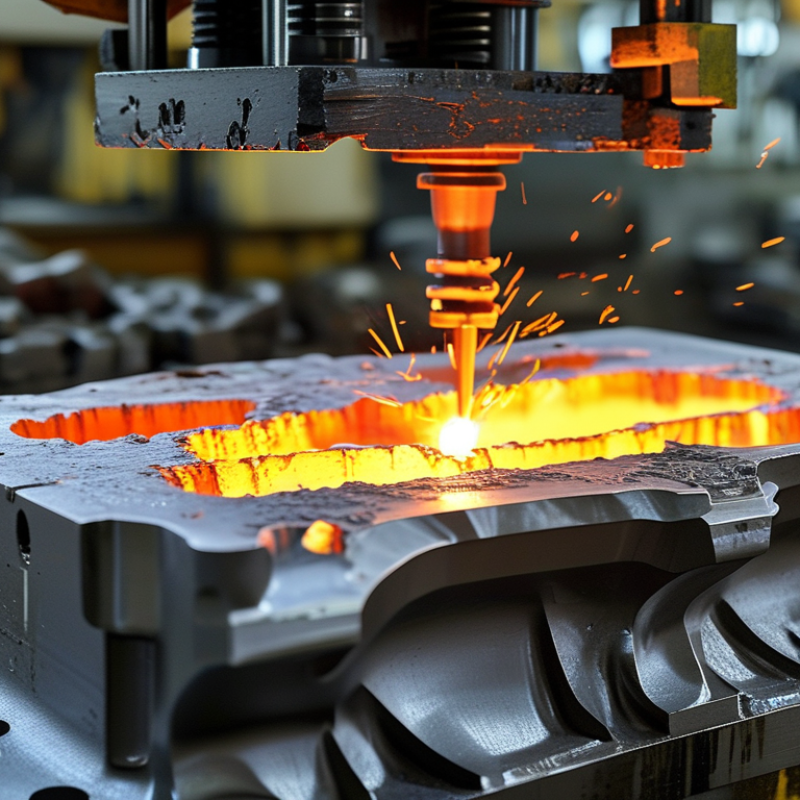
Die casting moulds play a crucial role in China's manufacturing sector. They enable efficient production of complex shapes with high precision. The technology allows for faster turnaround times, which is essential in today's competitive market. However, the reliance on die casting moulds can also lead to challenges. If the moulds are not designed correctly, production defects can occur, impacting overall quality.
One notable aspect of die casting is its adaptability. Manufacturers can produce parts in various materials, such as aluminum or zinc. This flexibility benefits industries including automotive, aerospace, and electronics. Still, the importance of expertise cannot be overstated. Not every manufacturer has the same level of skill in producing reliable moulds. Variances in quality can significantly affect mass production.
Moreover, the demand for customization in products challenges traditional mould-making. Companies must balance mass production efficiency with the need for unique specifications. This situation underscores the ongoing need for development in mould technology. Continuous improvement is essential to meet market demands and maintain competitiveness. Adjusting to these changes is a complex but necessary journey for manufacturers in China.
Die casting moulds play a crucial role in enhancing mass production efficiency. These moulds can produce complex shapes rapidly. They are made from durable materials, ensuring consistent quality and longevity. The precision achieved with die casting is remarkable. This leads to reduced waste and higher production rates. Manufacturers can produce thousands of parts in a short time. This efficiency is crucial in today’s fast-paced market.
However, there are challenges in using die casting moulds. Initial costs can be high due to the technology and equipment required. Creating a new mould for complex designs can be time-consuming. Moreover, not every part is suitable for this process. Some designs may not withstand high pressure. It’s vital to assess each project carefully. Seeking expert advice can help navigate these challenges.
The benefits of die casting moulds cannot be overlooked. They significantly reduce cycle times compared to traditional methods. This speed allows for quicker time to market. Companies can respond to demand more effectively. Yet, the process demands expertise. Those involved must have a deep understanding of materials and design. This knowledge builds reliability in production.
The cost-effectiveness of die casting moulds plays a pivotal role in high-volume production. According to a 2022 industry report, die casting can lower manufacturing costs by up to 30% compared to other processes. This is crucial for companies aiming to maximize profit margins while ensuring quality. The moulds used are durable and can produce thousands of identical parts, significantly reducing the cost per unit as production scales.
Investing in quality die casting moulds can lead to long-term savings. A study found that high-quality moulds can last 50% longer than lower-quality versions. This longevity results in fewer replacements and repairs, ensuring uninterrupted production. Yet, businesses must assess their production needs carefully. Choosing a mould solely based on upfront costs may lead to subpar results and increased downtime.
For those seeking efficiency, consider integrating advanced technologies like simulation software. This can help optimize mould design and reduce material waste. However, it's vital to continuously evaluate the choice of materials and production processes to improve overall efficiency. Regularly reassessing equipment and methods can illuminate potential inefficiencies and guide future investment decisions.
China's die casting moulds industry has seen tremendous growth in recent years, driven by advancements in materials and technologies. A key component of this industry's success lies in the use of high-quality alloys, such as aluminum and zinc. According to a report from the International Die Casting Association, over 80% of die casting manufacturers in China prefer aluminum due to its lightweight properties and excellent corrosion resistance. This preference has made aluminum the leading material in die casting applications.
Furthermore, rapid technological advancements have transformed the production process. The integration of precision machining and computer-aided design (CAD) technologies has enhanced the accuracy and efficiency of moulds. Industry data indicates that companies employing these technologies have reduced production lead times by as much as 30%. However, not all manufacturers have adapted equally, leading to discrepancies in quality output. Some companies still rely on traditional methods, resulting in increased defects and less consistent product quality.
Challenges persist, particularly in the area of workforce training. Skilled technicians are essential for operating advanced machinery and ensuring high-quality output. A recent survey showed that nearly 40% of companies struggle to find adequately trained personnel. This gap highlights the need for ongoing investment in workforce development and training programs. As the industry evolves, addressing these challenges becomes vital for maintaining competitiveness and improving overall standards in die casting.
| Material Type | Advantages | Common Technologies | Application Areas |
|---|---|---|---|
| Aluminum Alloys | Lightweight, High strength-to-weight ratio, Corrosion resistant | High-pressure die casting, Gravity die casting | Automotive, Aerospace, Electronics |
| Zinc Alloys | Excellent fluidity, Good surface finish, Easy to machine | Cold chamber die casting | Consumer goods, Industrial parts |
| Magnesium Alloys | Very lightweight, High strength, Good thermal conductivity | Pressure die casting | Automotive, Aerospace components |
| Copper Alloys | High thermal and electrical conductivity, Good corrosion resistance | Die casting, Sand casting | Electrical connectors, Plumbing fixtures |
In the die casting industry, quality control standards play a crucial role in determining the performance of moulds. Recent data from the International Die Casting Association indicates that 30% of casting defects can be traced back to inadequate quality control measures. This statistic underscores the importance of rigorous inspection processes throughout the production cycle. A mould that meets high quality standards not only reduces waste but also enhances product consistency.
Moreover, the implementation of standards such as ISO 9001 can significantly improve mould efficiency and durability. A well-maintained mould can last up to 200,000 cycles, making it essential for mass production. However, 25% of manufacturers still overlook regular maintenance schedules. This neglect can lead to increased costs and production delays. A focus on quality ensures that the moulds perform optimally, reducing the likelihood of costly rework.
It's crucial for manufacturers to adopt proactive strategies in their quality control processes. Regular audits and adherence to international compliance standards can aid in achieving better results. While many firms are prioritizing quality, some still face challenges. For instance, a recent survey revealed that 40% of companies reported issues with dimensional accuracy. This calls for ongoing training and a shift in mindset toward quality-first production strategies.
: Die casting moulds are used to efficiently produce complex shapes with high precision in manufacturing.
Poorly designed moulds can lead to production defects, negatively impacting overall product quality.
Aluminum and zinc are widely preferred for their lightweight properties and corrosion resistance.
They reduce cycle times, allowing manufacturers to produce thousands of parts quickly and effectively.
High initial costs and the need for skilled personnel can hinder the successful use of die casting technology.
The integration of precision machining and CAD has improved mould accuracy and efficiency significantly.
Yes, companies must balance efficiency with unique product specifications, which can complicate production.
A shortage of skilled technicians can lead to lower quality outputs and increased production defects.
Not every design is suitable for die casting; incorrect assessments can lead to production failures.
A deep understanding of materials and design is crucial for reliable production and meeting market demands.
Die casting moulds play a crucial role in enhancing the efficiency and productivity of China's manufacturing sector. By enabling precise and rapid production of complex components, these moulds significantly improve mass production capabilities. What are the benefits of die casting moulds for mass production? They provide superior dimensional accuracy, which minimizes the need for additional machining processes, thus saving time and reducing costs.
Furthermore, die casting moulds are designed using advanced materials and technologies, which contribute to their durability and performance in high-volume production environments. The cost-effectiveness of die casting, particularly in high-volume runs, is complemented by stringent quality control standards that ensure consistent product quality. Overall, the integration of die casting moulds in manufacturing not only boosts operational efficiency but also supports China's position as a leader in the global manufacturing landscape.

Gemnexa CNC