CNC turning operations are crucial in manufacturing. They enhance precision and efficiency. However, these operations can often face significant challenges. Expert John Smith, a well-known authority in CNC machining, states, "Understanding potential issues is key to maintaining optimal performance in CNC turning."
What are the common issues in CNC turning operations? This question is vital for professionals in the industry. Regular problems include tool wear, incorrect settings, and material handling mishaps. Each of these factors can lead to defects and inefficiencies. Addressing these issues requires expertise and experience.
Further complicating these operations, some challenges are not immediately visible. They might manifest during the process, impacting product quality. Continuous monitoring and adjustment are necessary. It's important to reflect on these problems and implement solutions. Emphasizing proactive measures can greatly improve overall output in CNC turning tasks.
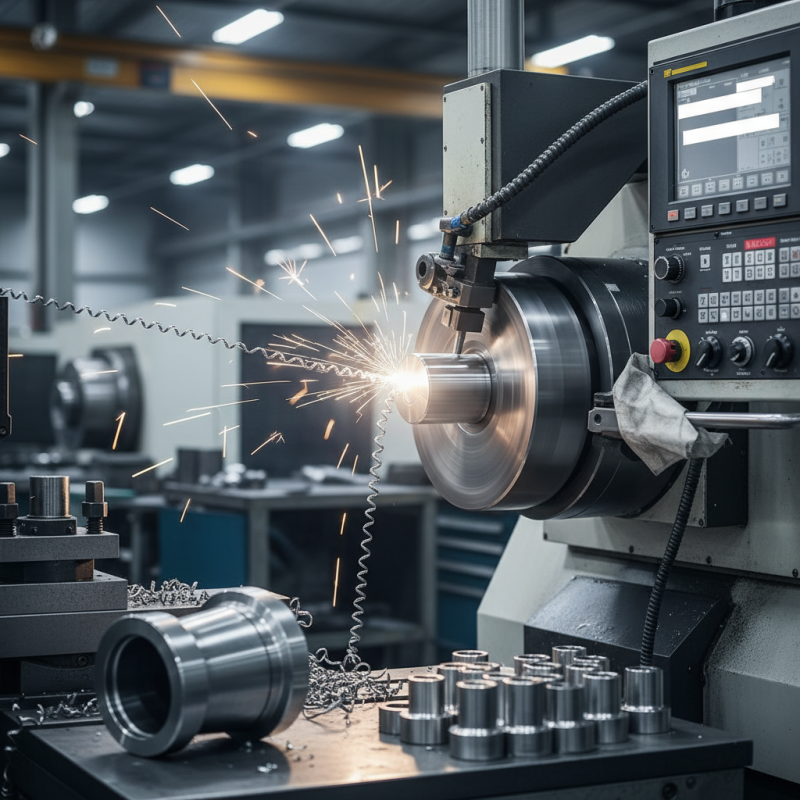
Common Challenges in CNC Turning Operations: An Overview
CNC turning operations are vital in modern manufacturing, yet they face numerous challenges. One key issue is tool wear. Tools can degrade over time, affecting precision. Operators must regularly inspect tools for wear to maintain quality standards. This task requires constant vigilance, as worn tools can lead to defects in the final product.
Another challenge is workpiece clamping. Securely clamping a diverse range of materials is not straightforward. An improperly clamped piece can lead to vibration and inaccuracies during the machining process. Operators must choose the right clamping methods, which often requires experience and experimentation.
Additionally, programming errors can occur, especially with complex designs. Mistakes in G-code can lead to significant production setbacks. Operators must double-check programs to avoid costly errors. It's essential to balance efficiency and accuracy, ensuring that output meets the required specifications without unnecessary delays. Each of these challenges highlights the need for a skilled workforce dedicated to continuous improvement and innovation in CNC turning operations.
Understanding Tool Wear and Its Impact on CNC Turning Quality
CNC turning operations require precision and consistency. One of the greatest challenges faced in this process is tool wear. Tool wear occurs naturally during machining and can happen quickly depending on factors like material hardness, cutting speed, and feed rate. As tools wear down, they lose their effectiveness. This directly impacts the quality of the final product, leading to dimensional inaccuracies and surface imperfections.
Understanding the stages of tool wear is crucial. Initially, wear may be minimal, but it can rapidly escalate. Operators should monitor the tool conditions regularly. Using visual inspections and measuring tool life can determine when a replacement is needed. Implementing these practices can prevent unexpected downtime and reduce waste.
Tips: Regularly check the tool edge for chipping or rounding. Evaluate the cutting parameters for optimal performance. Adjusting feed rates and speeds can prolong tool life. Always keep a record of tool performance. Analyze this data to optimize future machining processes.
Remember, it’s easy to underestimate the effect of tool wear. However, ignoring it can lead to significant setbacks. Reflect on your existing maintenance routines. Adjust them as necessary to ensure consistent quality in your CNC turning operations.
Addressing Material Handling Issues in CNC Turning Processes
Material handling is a critical aspect of CNC turning operations. Efficient management of materials can significantly impact productivity and quality. Poor handling practices can lead to defects and increased costs. For instance, mishandling raw materials can cause scratches or dents, affecting part integrity.
In CNC turning, materials often need to be repositioned several times. This repetitive movement increases the risk of wear and tear. Operators should be trained to handle materials carefully, ensuring they are always protected. Implementing better storage solutions, like anti-static bins or custom racks, can mitigate damage.
Moreover, the layout of the workspace plays a vital role. A cramped or poorly planned area can lead to inefficient workflows. Dust and debris can accumulate, affecting both the materials and the machines. Regular cleaning schedules, combined with an organized workspace, enhance efficiency and reduce errors. Addressing these material handling challenges is essential for improving CNC turning operations and achieving consistent results.
Common Challenges in CNC Turning Operations You Should Know? - Addressing Material Handling Issues in CNC Turning Processes
| Challenge |
Description |
Impact on Production |
Potential Solutions |
| Inconsistent Material Supply |
Irregular deliveries or fluctuations in material quality can cause delays. |
Leads to increased cycle times and production downtimes. |
Establish strong supplier relationships and inventory management practices. |
| Tool Wear and Maintenance |
Dull tools can affect precision and surface finish. |
Results in rework and scrap, affecting overall productivity. |
Implement regular inspection and predictive maintenance schedules. |
| Manual Material Handling |
Manual processes increase the risk of injury and inefficiency. |
Higher overhead costs due to accidents and delays. |
Utilize automated systems for material handling and train personnel. |
| Lack of Skilled Workforce |
Shortage of skilled operators impacts the quality of operations. |
May lead to production delays and lower quality output. |
Invest in training programs and consider apprenticeships. |
| Inadequate Storage Solutions |
Improper storage results in damage or difficulty in accessing materials. |
Can lead to delays in production due to difficulty finding supplies. |
Optimize storage layout and implement inventory tracking systems. |
Dealing with Dimensional Accuracy Challenges in CNC Turning
Dimensional accuracy is crucial in CNC turning operations. Achieving precise measurements can greatly impact the quality of machined parts. Common challenges include tool wear, thermal expansion, and setup errors. For instance, even slight variations in tool geometry can cause significant deviations in the final product. Operators must routinely check their tools for wear and replace them as needed to maintain accuracy.
Thermal influences during machining can also alter dimensions. The heat generated from cutting processes may expand materials, affecting tolerances. Proper cooling techniques can mitigate this issue. Another factor is the initial setup of the workpiece. If the workpiece is not aligned correctly, every subsequent cut will be compromised. Ensuring a secure and correct setup is essential for achieving intended specs.
Addressing these issues requires ongoing training and adaptation. Knowledge of materials and experience with specific tools can improve outcomes. Even with the best practices in place, some discrepancies may still occur. Regular audits and feedback loops can help identify persistent problems and facilitate continuous improvement. Recognizing these challenges can lead to more effective solutions in CNC turning operations.
Optimizing Programming and Setup to Minimize Errors in CNC Turning
In CNC turning operations, programming and setup are crucial to achieve precision. Errors can lead to wasted materials and increased costs. Optimizing these areas is vital for efficient production.
Tips: Begin by ensuring that your CAD files are correct. An incorrect design can result in machining errors. Regularly verify tool offsets. Misconfigured tools can affect the final product.
Programming requires constant attention. Double-check your code for syntax errors or logical flaws. A small mistake can multiply into significant issues during machining. Work with a simulation software when possible. It helps visualize the process and mitigate risks.
Tips: Invest in training for operators. Skilled professionals can identify issues early. Encourage a culture of communication. Sharing challenges and solutions leads to smoother operations. This proactive approach minimizes errors and enhances quality.
FAQS
: Tool wear is the natural deterioration of cutting tools during machining. It affects performance and product quality.
Regular visual inspections help identify wear. Measuring tool life also indicates when replacement is necessary.
Material hardness, cutting speed, and feed rate significantly affect the rate of tool wear.
Efficient material handling prevents defects and improves quality. Poor practices can increase costs and reduce part integrity.
Tool wear, thermal expansion, and setup errors can lead to measurement discrepancies in machining processes.
Heat from cutting can expand materials, which alters their dimensions. Proper cooling techniques can minimize this effect.
An organized workspace is essential. A cramped area can lead to inefficient workflows and increase errors.
Training operators to handle materials carefully reduces the risk of scratches and dents during machining.
Keeping records of tool performance helps optimize future machining processes and anticipate replacements.
Issues like tool wear and setup errors can disrupt operations. Continuous training and adaptation are necessary for improvement.
Conclusion
CNC turning operations can face several common challenges that impact efficiency and product quality. Understanding tool wear is crucial, as it directly affects the surface finish and dimensional accuracy of the machined parts. Moreover, material handling issues can lead to increased cycle times and potential damage to both materials and machinery.
Another significant concern is dealing with dimensional accuracy challenges, which can arise from various factors, including tooling and machine calibration. To mitigate these issues, optimizing programming and setup processes is essential in minimizing errors. In summary, when asking "What are the common issues in CNC turning operations?", one must consider tool wear, material handling, dimensional accuracy, and the importance of effective programming and setup.

 Gemnexa CNC