In the realm of manufacturing, maintaining high quality is crucial. One area that demands attention is mass production moulds. Proper mould consistency can significantly affect product quality, save costs, and enhance efficiency. However, achieving this consistency is not straightforward.
How to maintain consistency in mass production moulds? This question is central to many manufacturers striving for excellence. Various factors can influence mould consistency, such as material choice, environmental conditions, and machine calibration. Even small deviations in these areas can lead to significant discrepancies in the final product.
A commitment to detail is essential. Regular inspections and adjustments can minimize errors. However, many manufacturers overlook the importance of routine maintenance. This can lead to unforeseen production delays. Reflecting on past experiences can also provide valuable insights. Consistency is not merely a goal; it is an ongoing journey that requires dedication and adaptability.
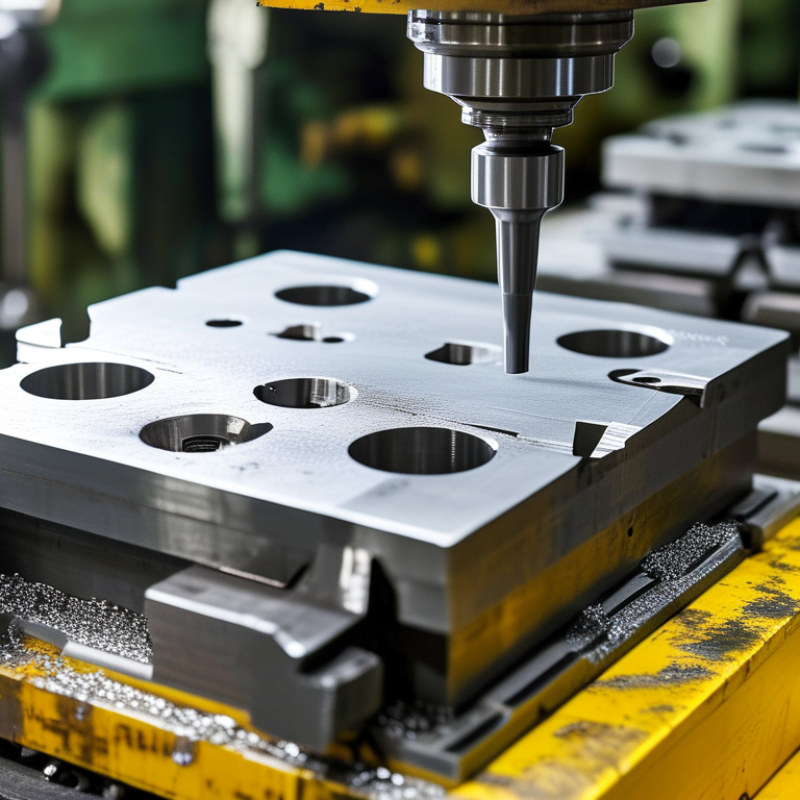
Consistency in mass production moulds is vital for maintaining product quality and operational efficiency. It directly impacts the final product's performance, longevity, and customer satisfaction. When moulds are consistent, they produce items that meet design specifications, leading to reduced waste and lower costs. Flawed moulds can derail production schedules, causing delays and financial losses.
To achieve this consistency, quality control must be a priority. Regular inspections and testing of moulds can identify wear and damage early. Invest in training for staff to recognize potential issues. Consistent employee training ensures everyone understands the importance of maintaining accurate measurements and setups.
Tips: Utilize standardized processes for mould production. Create checklists for each production batch. Small variations can lead to significant differences in the final product. Regularly collect data on mould performance to inform future production decisions. These actions encourage an environment of continuous improvement, addressing imperfections before they escalate.
In mass production, consistency in moulds is essential for quality products. Several key factors affect this consistency. One major factor is material selection. Choosing the right materials influences wear resistance and accuracy. Reports indicate that improper material can lead to 20% higher rejection rates due to defects.
Another factor is temperature control during the manufacturing process. Variations in temperature can cause uneven cooling, affecting mould dimensions. A study from the Manufacturing Institute notes that consistent temperature reduces defects by nearly 15%. Operators must monitor temperature regularly.
Tip: Regularly calibrate equipment to ensure precise measurements. Small deviations can lead to larger inconsistencies over time.
Maintenance practices also play a critical role. Regular inspections and preventative maintenance help identify wear and tear early. A significant percentage of mould failures occur due to negligence. Implementing routine checks can decrease downtime and extend the lifespan of moulds.
Tip: Adopt a maintenance schedule that aligns with production demands. This helps maintain efficiency while minimizing the risk of failure.
Inconsistencies can arise from human error as well. Training workers thoroughly reduces mistakes in operation. Emphasizing the importance of attention to detail can lead to more reliable outcomes. Investing in skilled labour pays off in the long run.
Achieving uniformity in mould design is crucial for successful mass production. Precision is key. Using advanced CAD software helps streamline the design process. When creating moulds, ensure that all dimensions are accurate. Even slight discrepancies can lead to significant issues in production. Regularly reviewing design specifications reduces errors.
Fabrication techniques also play a vital role. Employing CNC machining ensures high precision and repeatability. Each mould must maintain identical characteristics. Quality control should be a constant focus. Implement regular inspections during the fabrication process. These checks can identify flaws early, preventing costly reworks.
Consider the materials used in mould production, as they affect consistency. Different materials respond uniquely during fabrication. Testing multiple materials before finalizing can reveal critical insights. Continuously evaluate your processes and gather feedback from the team. This reflection can uncover areas for improvement. Strive for a balance between efficiency and quality.
Maintaining consistency in mass production moulds is critical. Quality control measures play a vital role in this process. Regular inspections help identify deviations early. Trained operators should perform checks at various production stages. These checks ensure that every mould matches the desired specifications.
Automated systems can increase efficiency. However, human oversight remains essential. Real-time monitoring of production data can reveal patterns. This way, any inconsistencies can be addressed immediately. It is common for moulds to exhibit slight variances. Tracking these discrepancies can inform future adjustments.
Documentation is necessary for reliability. Keeping thorough records of each production run allows for better analysis. Teams can then reflect on past problems and improve. Regular audits of both processes and equipment should be conducted. This ensures that all moulds meet the required standards consistently. It's a challenging task, but addressing shortcomings leads to better practices over time.
Ensuring consistency in mass production moulds is critical for manufacturers. The quality of moulds can directly affect production efficiency and product reliability. Industry reports indicate that 30% of all manufacturing defects arise from poor mould performance. This highlights the urgent need for effective methods to maintain consistent mould quality.
Implementing best practices begins with regular maintenance. Schedule inspections and cleanings to avoid wear and tear. Introduce environmental controls to maintain optimal conditions during the production process. For instance, temperature fluctuations can affect the mould material's properties. Data suggests that maintaining a stable temperature can decrease defects by 20%.
Training personnel is equally essential. Skilled operators understand the nuances of the machinery involved. A skilled team can identify subtle inconsistencies before they escalate. However, even the best-trained personnel may overlook certain aspects. Emphasizing the importance of ongoing skills development helps ensure that mould performance remains at peak levels. Regular training sessions can prevent operational discrepancies that might lead to product failure.
: Consistency ensures product quality, performance, and customer satisfaction. It reduces waste and lowers costs.
Flawed moulds can cause production delays and financial losses. They derail schedules and affect product quality.
Quality control helps identify wear and damage early. Regular checks ensure moulds meet specifications.
Regular maintenance, inspections, and environmental controls can help maintain mould quality and efficiency.
Trained staff can spot inconsistencies early. Ongoing training helps maintain the standards needed for quality production.
Thorough records of production help analyze past problems. This aids in identifying areas for future improvement.
Regular inspections at various production stages are essential. They help ensure that moulds consistently meet specifications.
Yes, automation can improve efficiency. Still, human oversight is necessary to catch any discrepancies.
Fluctuations in temperature can affect mould properties. Stable conditions can reduce defects significantly.
Even well-trained personnel may overlook minor issues. Continuous skills development is crucial to mitigate this risk.
In the realm of mass production, ensuring consistency in moulds is paramount for achieving high-quality outputs and operational efficiency. To address the question of "How to maintain consistency in mass production moulds?", it is crucial to understand the impact of various factors such as material choice, design precision, and fabrication techniques on mould performance. Key strategies include implementing robust design protocols, utilizing advanced manufacturing technologies, and conducting thorough quality control tests throughout the production process.
Furthermore, regular maintenance and adherence to best practices are essential in sustaining mould integrity. Techniques such as standardizing equipment settings, training personnel consistently, and employing effective monitoring systems can greatly enhance uniformity. By focusing on these aspects, manufacturers can optimize their mould processes, thereby ensuring a reliable and consistent production output.

Gemnexa CNC