The CNC and mould industry is undergoing a significant transformation. As we approach 2026, the adoption of emerging technologies is reshaping this landscape. What emerging technologies are shaping the CNC and mould industry? Innovations in automation, artificial intelligence, and advanced materials are at the forefront of this change.
These technologies enhance precision, increase efficiency, and reduce production costs. For example, AI-driven software improves design processes, while automation streamlines production lines. These advancements provide opportunities for companies to innovate. However, they also raise questions regarding workforce skills and the need for training.
As the industry evolves, the balance between technological dependency and human expertise becomes crucial. Not all companies can adapt quickly to these changes. Some may struggle to integrate these technologies effectively. Understanding how to leverage these emerging technologies is vital for staying competitive. The journey toward 2026 presents both exciting possibilities and challenges for businesses and professionals in the CNC and mould industry.
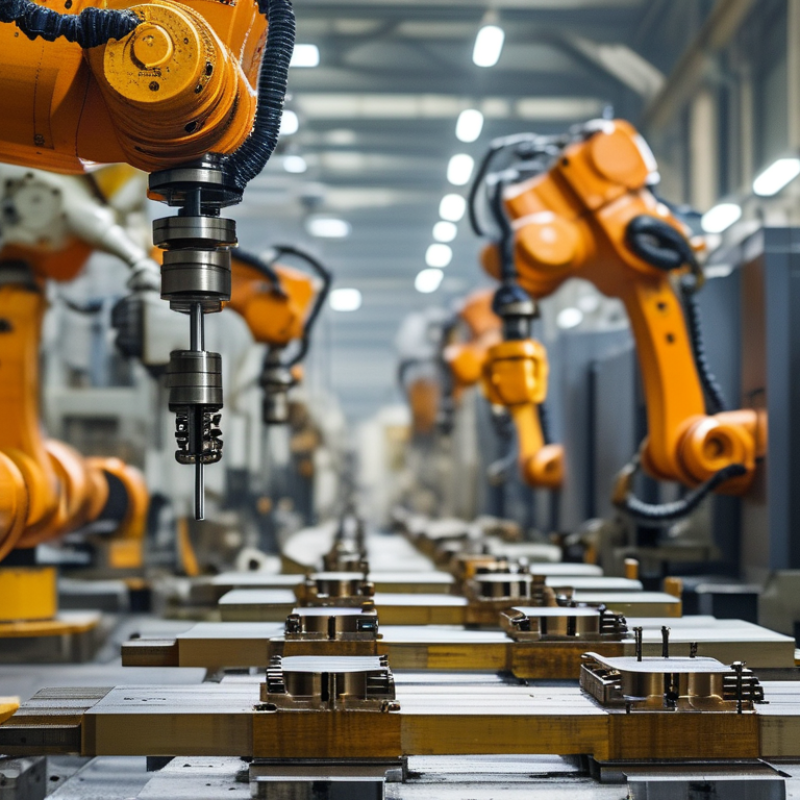
In 2026, emerging technologies are profoundly impacting CNC machining processes.
Advanced automation, artificial intelligence, and IoT are reshaping the landscape. A recent industry report noted that 70% of CNC operations are now automated, leading to sharper precision and reduced cycle times. This automation significantly decreases human errors, yet it raises concerns over workforce adaptability.
Furthermore, 3D printing integration in CNC processes is becoming a game-changer.
With additive manufacturing, designers can create complex geometries previously deemed impossible. According to studies, this technology accelerates production speeds by 40%. However, challenges remain. Not every material is suitable for 3D printing, and there are limitations in scalability for large volumes.
Data analytics is another crucial driver. By leveraging big data, manufacturers optimize machining through predictive maintenance. The Machinery Industry Association reports that predictive analytics can reduce downtime by up to 25%. Yet, reliance on data-driven decisions may inhibit creativity and innovation in traditional methods. As the CNC sector evolves, striking a balance between technology and human expertise will be essential.
The automation wave is reshaping the CNC and mould industry. According to a report by MarketsandMarkets, the global CNC machines market is projected to reach $100 billion by 2026. This growth reflects a significant shift in production efficiency. Automated systems reduce human error and increase precision, vital for maintaining competitive advantages.
However, the transition is not straightforward. Cost concerns often arise when implementing advanced technologies. A McKinsey report states that companies can see efficiency gains of 20-30% with automation integration. Yet, the upfront investment can be daunting. Companies must balance short-term costs against long-term savings.
Moreover, the impact of automation extends beyond efficiency. The lack of skilled workers raises questions about future capabilities. A Boston Consulting Group study shows that 61% of manufacturers face talent shortages. While automation reduces reliance on manual labor, it emphasizes the need for skilled workers to manage high-tech processes. This challenge requires strategic training programs to prepare the workforce for upcoming demands.
The rise of artificial intelligence (AI) is transforming CNC design and production. AI algorithms improve the efficiency of CNC machines. They analyze vast amounts of data to optimize processes. This leads to reduced waste and shorter production times. Manufacturers now rely on AI for predictive maintenance. By anticipating machine failures, companies can avoid costly downtimes.
An interesting aspect of AI in CNC is its role in design automation. Designers can use AI to generate complex geometries quickly. However, the reliance on AI raises concerns about creativity. Can machines truly replace human intuition in designing? There are times when AI generates unexpected results. Not all outcomes meet expectations, prompting the need for human oversight.
Moreover, integrating AI into existing systems is not without challenges. Companies face difficulties in training staff. The gap in skills can hinder adoption. Additionally, the cost of upgrading equipment can be prohibitive. Yet, those who successfully adapt will likely see significant benefits. The balance between technology and human input remains crucial in this evolving landscape.
| Dimension | Description | Impact | 2026 Trend |
|---|---|---|---|
| AI in CNC Machining | Implementing AI algorithms to optimize machining processes. | Increased efficiency, reduced waste. | AI-driven designs becoming the standard. |
| Predictive Maintenance | Using AI to predict equipment failures before they occur. | Decreased downtime, lower maintenance costs. | Integration of AI with IoT for real-time monitoring. |
| Automated Quality Control | AI systems for automated inspection and quality assurance. | Higher product quality, reduced inspection time. | Advanced image recognition technologies. |
| Custom CNC Solutions | Tailoring CNC programs using AI for specific project needs. | Enhanced customization capabilities for clients. | Flexible manufacturing systems leveraging AI. |
| Design Simulation | AI tools for virtual testing and iteration of designs. | Reduction in design flaws, shortened design cycles. | Increased reliance on digital twins and simulations. |
The rise of 3D printing is revolutionizing the mould fabrication industry. This technology allows for rapid prototyping, reducing the time and cost of production. With the ability to create complex geometries, firms can innovate without traditional constraints. However, challenges remain in material selection and durability. Many manufacturers are still unsure which materials yield the best results for specific applications.
Emerging techniques like multi-material printing offer exciting possibilities. They enable the creation of moulds with varying properties in a single print. Yet, the inconsistency in print quality needs addressing. Some businesses report issues, such as warping or uneven surfaces. These problems can lead to delays and increased costs. Each print requires careful monitoring to ensure standards are met.
Collaboration within the industry is essential for tackling these issues. Sharing knowledge about best practices can facilitate advancements. Training and expertise in 3D printing processes are crucial. Many professionals are still navigating the learning curve. Embracing trial and error will lead to better outcomes. The future of mould fabrication is bright. It holds promise, but only with continuous improvement and reflection on past experiences.
Emerging technologies are reshaping the CNC and mould industries, driving them toward sustainability. According to a recent report by the International Energy Agency, these sectors contribute significantly to global carbon emissions. Companies must adopt innovative solutions to minimize their environmental impact. For instance, advancements in 3D printing technology enable the use of biodegradable materials. This transition not only reduces waste but also enhances product design flexibility.
Automation and IoT applications are revolutionizing processes as well. A study from McKinsey indicates that integrating IoT can lead to a 30% reduction in energy consumption. Smart factories optimize operational efficiency, reducing resource use. However, integrating these technologies requires substantial investment and expertise. Smaller manufacturers often struggle to keep pace, risking their competitive edge.
Despite the progress, challenges remain. The push for sustainability sometimes conflicts with traditional practices. Workers must adapt to new technologies, which may lead to resistance or skill gaps. Ongoing training and development are crucial. Industry leaders must learn from these obstacles to foster a sustainable future for CNC and mould manufacturing.
: Automation significantly enhances production efficiency, reducing human error and increasing precision.
Yes, cost concerns and the daunting upfront investment can hinder the transition to advanced technologies.
Companies may achieve efficiency gains of 20-30% with proper automation integration.
A shortage of skilled workers poses a significant challenge, as 61% of manufacturers report talent shortages.
AI optimizes CNC processes, reduces waste, and shortens production times through data analysis.
AI can generate complex geometries, but it cannot fully replicate human intuition, leading to unexpected results.
Training staff and upgrading equipment are significant hurdles that can impede AI adoption.
Yes, companies that successfully adapt to these technologies can see significant long-term benefits.
Predictive maintenance utilizes AI to anticipate machine failures, helping avoid costly downtimes.
Human oversight is essential to manage unexpected outcomes and ensure the quality of designs.
Emerging technologies are significantly reshaping the CNC and mould industry as we approach 2026. Innovations in CNC machining processes are driven by advanced automation, enhancing efficiency and precision. The introduction of artificial intelligence is revolutionizing design and production workflows, enabling smarter decision-making and enhancing overall productivity. Additionally, 3D printing technologies are transforming mould fabrication, allowing for more complex designs and reducing lead times.
Sustainability has also become a focal point, with emerging technologies facilitating greener practices within the CNC and mould industries. By addressing waste reduction and energy efficiency, these advancements not only comply with environmental standards but also drive competitive advantage. Ultimately, the question arises: what emerging technologies are shaping the CNC and mould industry? They include automation, AI, and 3D printing, all of which play a crucial role in defining the industry's future.

Gemnexa CNC