In the realm of CNC machining, safety is paramount. Reports indicate that over 40% of workplace injuries occur in manufacturing environments, with equipment-related incidents being a significant contributor. Workers face hazards like moving parts, sharp tools, and airborne particles. Ensuring safe practices is essential to protect both employees and equipment.
So, what safety considerations are needed in CNC machining? The American National Standards Institute (ANSI) suggests comprehensive training programs and regular equipment maintenance as crucial steps. Moreover, implementing safety guards and emergency shut-off systems reduces risks significantly. Despite this, many facilities still overlook proper personal protective equipment (PPE) usage, exposing workers to avoidable dangers.
Addressing these issues requires a cultural shift towards prioritizing safety. Regular audits and feedback mechanisms can help identify gaps in safety protocols. While advancements in technology improve machine safety features, human factors remain a challenge. Building a safety-oriented mindset demands ongoing commitment from management and employees alike.
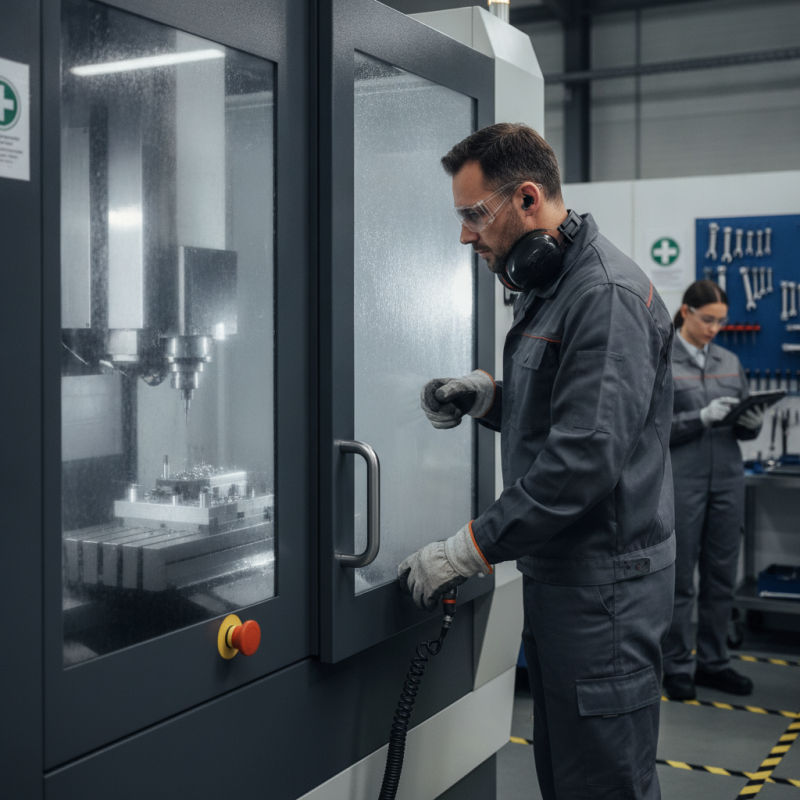
CNC machining is a critical process in modern manufacturing. Understanding its key concepts can greatly improve workplace safety. According to a report by the National Institute for Occupational Safety and Health (NIOSH), machining operations account for nearly 25% of workplace injuries in manufacturing. This highlights the urgent need for effective safety measures.
CNC machines operate at high speeds and involve sharp tools. Workers must wear appropriate personal protective equipment (PPE), like gloves and goggles. A lack of PPE can lead to serious injuries. Moreover, maintaining machinery is just as important. Regular checks ensure that machines function correctly, reducing the risk of accidents. Surprisingly, about 40% of CNC machine operators reported inadequate training in safety protocols.
In addition, workplace ergonomics should not be overlooked. Poor posture can lead to long-term injuries. Simple adjustments, like chair height and tool placement, can prevent strain. Not considering these factors can lead to chronic issues for operators. Continuous education and feedback loops can enhance safety culture in CNC environments.
| Safety Aspect | Importance | Preventive Measures | Recommended Training |
|---|---|---|---|
| Machine Guarding | Prevents accidental contact with moving parts | Install safety guards and interlocks | Machine safety operation training |
| Personal Protective Equipment (PPE) | Protects operators from debris and hazards | Provide gloves, goggles, and ear protection | PPE usage and maintenance training |
| Tool Safety | Reduces risk of tool-related injuries | Regular tool inspections and proper storage | Tool handling and setup training |
| Emergency Procedures | Ensures quick response to accidents | Post emergency scenarios and exit plans | Emergency response drills |
| Workplace Organization | Minimizes accidents caused by clutter | Implement 5S methodology for organization | Workplace safety and efficiency training |
: CNC machining is a key process in modern manufacturing, involving high-speed operations and sharp tools.
Safety is crucial as CNC machining accounts for nearly 25% of workplace injuries in manufacturing settings.
Workers must wear appropriate PPE, like gloves and goggles, to prevent serious injuries during machining.
Regular machine maintenance reduces the risk of accidents by ensuring machines function correctly and safely.
About 40% of CNC machine operators reported inadequate training in safety protocols, highlighting a significant gap.
Poor posture can lead to chronic injuries, making ergonomic adjustments important for operator health and safety.
Both are vital as nearly 200,000 workers are injured annually in machining, and proper training can reduce incidents.
A checklist helps streamline inspections and identify wear and tear before equipment failures cause accidents.
Short training sessions can be more effective than lengthy workshops, keeping workers engaged and increasing retention.
Employees can promote safety by reporting hazards and participating in hands-on training to reinforce safety procedures.
To ensure safety in CNC machining processes, it is essential to first understand the key concepts and the importance of safety in these operations. Common risks associated with CNC machining include equipment malfunctions, operator errors, and hazardous materials. By implementing robust safety protocols and fostering a safety-centric culture, organizations can significantly reduce these risks.
What safety considerations are needed in CNC machining? Utilizing Personal Protective Equipment (PPE) is crucial for protecting operators from injuries, while regular safety training and equipment inspections help ensure that all personnel are aware of the potential hazards and are equipped to handle them effectively. A proactive approach to safety not only protects workers but also enhances operational efficiency and productivity.

 Gemnexa CNC