Why Extend the Life of Injection Moulds for Better ROI?

Time:2026-06-10 Author:Oliver
0%

Injection moulds are crucial in the manufacturing sector. They directly impact product quality and production costs. However, many companies overlook an essential question: How to extend the life of injection moulds? The longevity of these moulds can significantly enhance return on investment (ROI) and overall efficiency.

Investing in high-quality materials and precise manufacturing processes can lead to better durability. Regular maintenance and proper handling are also vital. Each mould has its limitations and requires a practical strategy to extend its life. Relying solely on high-tech solutions may not always yield the best results. It is essential to combine technology with hands-on experience to achieve optimal outcomes.

Addressing wear and tear proactively can prevent costly downtimes. Employees must be trained to recognize early signs of degradation. Ignoring these issues can lead to unexpected failures. Companies must foster a culture of awareness and continuous improvement. Ultimately, the longevity of injection moulds is not just about saving costs; it’s about ensuring consistent quality and maximizing ROI.
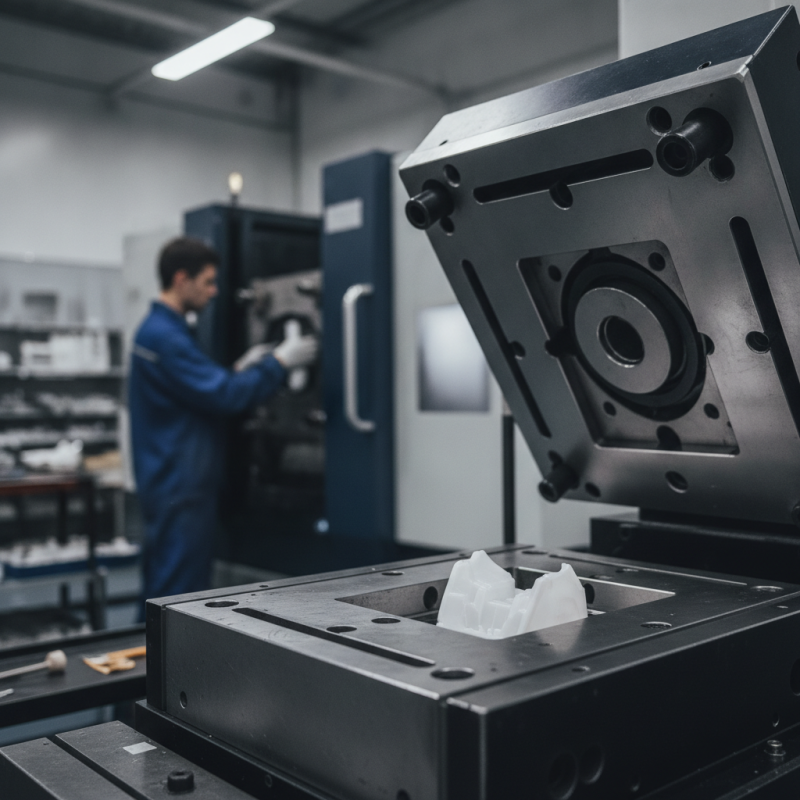
Why Extend the Life of Injection Moulds for Better ROI?

Benefits of Extending Injection Mould Lifespan

Extending the lifespan of injection moulds has tangible benefits that can significantly enhance return on investment (ROI). A longer lifespan means reduced costs over time. Manufacturers can produce more parts without the need for constant replacement. This longevity not only saves money but also minimizes downtime in production schedules. Every hour lost during maintenance or mould replacement impacts overall productivity.

Moreover, extending mould life ensures better quality control. Moulds that are maintained properly yield consistent, high-quality products. This consistency builds trust with clients and can lead to repeat orders. However, it's crucial to monitor wear and tear. Regular checks and maintenance can prevent unexpected failures. Relying too heavily on outdated moulds can lead to mistakes and quality issues.

Investing in mould upgrades or enhancements may seem costly initially, but the long-term benefits outweigh short-term savings. Educating staff on maintenance best practices can also amplify these benefits. Training should focus on identifying issues early and making necessary adjustments. This proactive approach minimizes risks and maximizes efficiency in production processes. Balancing these factors can lead to a more sustainable manufacturing operation.

Factors Influencing the Durability of Injection Moulds

Injection moulds play a crucial role in manufacturing, impacting both product quality and production costs. Several factors influence their durability. Material selection is one of the most significant aspects. Higher-quality steels provide better wear resistance, while lower-grade materials can lead to premature failure and increased costs. It’s essential to choose the right alloy for specific applications.

Another factor to consider is the design of the mould. A well-designed mould can withstand higher pressures and temperatures. Complex features may be tempting, but they can weaken the structure. Regular maintenance is key. Simple actions, like cleaning and lubrication, can prevent wear and extend the mould's lifespan.

However, many overlook these factors. It’s easy to focus solely on production speed and ignore mould longevity. This short-sightedness can backfire, leading to higher replacement costs. Balancing efficiency with durability should be the goal. Investing in good practices pays off in the long run.

Why Extend the Life of Injection Moulds for Better ROI? - Factors Influencing the Durability of Injection Moulds

Factor Description Impact on Durability Estimated Contribution (%)
Material Choice The quality and suitability of the material used for making the mould. High 30%
Maintenance Practices Regular inspections and timely repairs can prevent major failures. High 25%
Cooling System Efficiency Effective cooling reduces thermal stress and extends mould life. Medium 20%
Mould Design A well-thought-out design can significantly reduce wear and tear. High 15%
Operational Parameters Correct settings for pressure, temperature, and timing during production. Medium 10%

Cost-Benefit Analysis of Mould Maintenance vs. Replacement

Maintaining injection moulds offers significant cost benefits compared to replacing them. The initial investment in quality moulds can be substantial. However, regular maintenance extends their lifespan dramatically. This is often more economical than purchasing new moulds, which can take time to deliver and test.

The cost-benefit analysis reveals interesting insights. A well-maintained mould can produce thousands of high-quality parts. Each cycle runs more efficiently when moulds are in good condition. This leads to less downtime and fewer quality issues. Repairing minor damages can prevent larger failures and save money in the long run.

On the flip side, neglecting mould maintenance can be costly. If moulds are not regularly checked, they may develop defects that halt production. This can result in lost revenue and missed deadlines. Reflecting on these factors is crucial for manufacturers. The decision to extend the life of moulds should not just focus on immediate savings. It should also involve considering the long-term effects on production efficiency and overall ROI.

Techniques for Enhancing the Longevity of Injection Moulds

Extending the life of injection moulds is critical for achieving a better return on investment (ROI). To maximize their longevity, manufacturers can adopt several effective techniques. Regular maintenance is essential. It prevents early wear and tear, reducing potential downtimes. Simple checks can make a significant difference.

Using high-quality materials during the initial mould construction is vital. These materials offer greater durability against stress and heat. Furthermore, proper cooling systems within the mould can enhance its lifespan by reducing overheating. Even minor adjustments in design can lead to notable improvements.

Training operators is often overlooked. Well-trained personnel ensure that moulds are handled properly. This reduces damage and mistakes during operation. However, it requires ongoing commitment and resources. Additionally, operators should monitor the mould's performance closely. Small signs of wear can indicate larger issues if left unaddressed. Investing time in these practices can yield substantial benefits.

Impact of Extended Mould Life on Overall Production Efficiency

The production efficiency of injection moulding heavily relies on the lifespan of moulds. Extending mould life can significantly reduce costs. According to a report by the Plastics Industry Association, companies that invest in mould maintenance can see production efficiencies increase by 30%. This is crucial, especially in competitive markets.

Increased mould longevity minimizes downtime. Each time a mould fails, it disrupts the entire production line. A study published in Materials Science and Engineering found that unplanned downtime can cost manufacturers up to $22,000 per hour. The financial impact can be staggering, particularly for small to mid-sized enterprises. Maintenance strategies should prioritize preventive actions to enhance mould durability.

However, extending mould life does not come without challenges. Manufacturing defects may arise if moulds are not maintained properly. There’s a risk of producing inferior quality products. Proper training and expert insights are essential. Balancing longevity with quality control is vital in achieving maximum return on investment. Emphasizing mould life can yield substantial benefits but must be approached with care and consideration.

Impact of Extended Mould Life on Overall Production Efficiency

FAQS

: What is the main benefit of maintaining injection moulds?

: Regular maintenance extends the lifespan of moulds, which is more economical than replacing them.

How does mould maintenance affect production efficiency?

Well-maintained moulds can improve efficiency by up to 30%, leading to higher production rates.

What are the consequences of neglecting mould maintenance?

Neglect can lead to defects, causing production halts and resulting in lost revenue.

How does a failed mould impact production?

Each mould failure disrupts the entire production line, which can be very costly.

Can minor repairs save money in the long run?

Yes, repairing minor damages prevents larger failures and is often cost-effective.

Why is it important to consider long-term effects of mould maintenance?

Short-term savings should be balanced with the potential impact on production efficiency and ROI.

What challenges can arise from extending mould life incorrectly?

Poor maintenance may lead to manufacturing defects and inferior product quality.

How does training influence mould maintenance practices?

Proper training ensures maintenance is done correctly, balancing longevity and product quality.

What financial impact does unplanned downtime have on manufacturers?

It can cost manufacturers up to $22,000 per hour, stressing small to mid-sized businesses.

Should manufacturers focus solely on saving costs when maintaining moulds?

No, focusing only on immediate savings can overlook long-term efficiency and quality impacts.

Conclusion

The article titled "Why Extend the Life of Injection Moulds for Better ROI?" discusses the significant benefits of prolonging the lifespan of injection moulds, a crucial aspect of manufacturing efficiency. Key factors influencing mould durability, such as material quality and maintenance practices, are examined, emphasizing how these elements contribute to greater cost-effectiveness compared to frequent replacements. Additionally, the article presents a thorough cost-benefit analysis of mould maintenance versus replacement, highlighting the financial advantages of investing in mould longevity.

To address the question, "How to extend the life of injection moulds?", various techniques are recommended, including regular inspections, implementing maintenance schedules, and utilizing advanced materials. The impact of extended mould life on overall production efficiency is also explored, demonstrating that longer-lasting moulds can lead to enhanced production rates and reduced downtime, ultimately resulting in a better return on investment for manufacturers.

Oliver

Oliver

Oliver is a seasoned marketing professional with a wealth of expertise in driving brand awareness and engagement. With a deep understanding of our company's product offerings, he consistently delivers high-quality content that enriches our professional blog. His insights not only shed light on......