How to Fix Common CNC Machining Errors for Better Results?

Time:2026-07-11 Author:Madeline
0%

CNC machining is a powerful tool in modern manufacturing. However, it is not without its challenges. Machinists often encounter various errors throughout the process. These errors can lead to wasted materials, time, and money. To improve outcomes, understanding "how to troubleshoot common CNC machining errors?" is essential.

Common issues can range from tool wear to alignment mistakes. Each error impacts the final product's quality. Addressing these problems requires a skilled approach. Experience plays a critical role in identifying and fixing issues promptly. For instance, a slight miscalibration can cause significant discrepancies. This not only affects precision but may also result in total project failure.

By honing your troubleshooting skills, you can enhance performance and reliability. It's important to learn from mistakes. Each error can provide valuable insights for future projects. Engaging with the community and sharing experiences can lead to innovative solutions. Remember, accepting imperfections is part of the growth process in CNC machining.
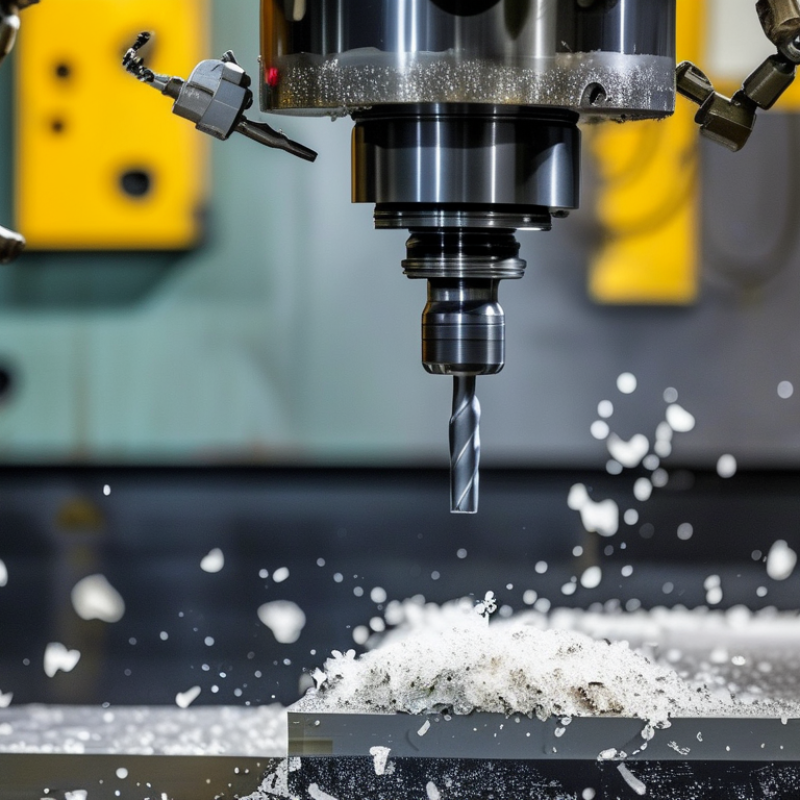
How to Fix Common CNC Machining Errors for Better Results?

Identifying Common CNC Machining Errors: A Data-Driven Approach

CNC machining errors can significantly impact product quality. Identifying these errors through data analysis is essential for quality improvement. A recent report from the National Institute of Standards and Technology (NIST) found that nearly 30% of all machining errors stem from inadequate tool wear monitoring. Failing to track tool condition leads to part inconsistencies and increased waste.

Understanding the root causes of machining errors can lead to better practices. A study indicated that over 25% of defects arise from incorrect machine settings. Regular calibration and maintenance can mitigate this issue. Operators must prioritize consistent checks on machine parameters to ensure precision.

Another common problem is operator skill level. Data shows that around 35% of errors are related to operator mistakes. Investing in comprehensive training programs can elevate skills and reduce errors. A skilled workforce equipped with data-driven decision-making capabilities can correct issues proactively. Emphasizing continuous learning is vital in overcoming these challenges in CNC machining.

Impact of Tool Wear on CNC Machining Precision: Industry Insights

Tool wear is a significant factor affecting the precision of CNC machining. As tools undergo wear, their cutting edges become dull. This leads to increased cutting forces and possible surface roughness. Dull tools can produce parts that do not meet specifications. Factors such as material properties, cutting speed, and feed rate also influence tool wear. Understanding these dynamics is crucial for maintaining quality.

Regular inspection of tools is essential in managing wear. Operators should check the condition of cutting edges frequently. Replacing worn-out tools promptly can prevent costly defects in production. Using advanced coatings may enhance tool life and performance. Nonetheless, these solutions are not foolproof. Sometimes, even the best tools fail to deliver expected results due to unforeseen wear patterns.

Operators must reflect on their machining processes continuously. Analyzing failed parts can provide insights into tool performance. Adjusting parameters based on wear observations can lead to improved precision. However, it requires a commitment to ongoing education and awareness of industry best practices. Emphasizing this proactive approach can result in significant gains in production efficiency and quality.

Impact of Tool Wear on CNC Machining Precision

Effective Calibration Techniques to Minimize Dimensional Errors

Effective calibration techniques are essential for minimizing dimensional errors in CNC machining. Dimensional inaccuracies can arise from various factors such as tool wear, machine temperature fluctuations, and even operator input. To combat these issues, regular calibration should be a routine part of your process. It helps ensure that your CNC machines produce parts within specified tolerances.

One effective method is to perform a regular check of the machine’s axes. Start by measuring the actual position of the machine’s spindle against the expected position. Conducting these checks can reveal discrepancies. If a specific axis is consistently over or under-performing, it's crucial to address it promptly. This may involve recalibrating the axis steps, ensuring accuracy.

Another enhancement involves temperature management. CNC machines operate best within specific temperature ranges. Fluctuations can lead to thermal expansion and contraction. Employing environmental controls, such as air conditioning or temperature monitoring systems, can stabilize conditions. Evaluating the calibration process and adjusting for temperature sensitivity is often overlooked, yet vital for maintaining accuracy. Regular reflections on these techniques can guide improvements and steadily enhance output quality.

Material Selection and Its Influence on CNC Machining Outcomes

Material selection plays a crucial role in CNC machining outcomes. Various materials yield different results. For instance, a study by the National Institute of Standards and Technology shows that aluminum can be machined with precision and speed, while composites may lead to increased tool wear. This disparity often causes unexpected errors in production.

Each material has its unique properties that affect the machining process. Harder materials, like titanium, require more sophisticated tools, leading to longer machining times and increased costs. A report from the American Society of Mechanical Engineers indicates that incorrect material choice can result in up to 20% more scrap and rework, severely impacting production efficiency. It is essential to weigh these factors carefully.

The impact of material selection extends beyond just the machining process. It can affect the end-use of the product. Poorly chosen materials can compromise structural integrity or performance. Analyzing the desired application is vital. Engineers should also consider the environmental conditions the finished part will face. Ultimately, reflecting on the choice of materials can prevent common CNC machining errors and enhance overall outcomes.

How to Fix Common CNC Machining Errors for Better Results? - Material Selection and Its Influence on CNC Machining Outcomes

Material Type Common CNC Errors Impact on Results Recommended Solutions
Aluminum Burring Poor surface finish Use sharper tools and optimize feed rates
Steel Tool Wear Increased production time Regular tool inspection and replacement
Plastics Melting Deformed parts Reduce cutting speed and improve cooling
Titanium Chatter Surface roughness and dimensional inaccuracies Use vibration dampening techniques and stiff fixtures
Copper Inadequate Chip Removal Decreased precision Increase coolant flow and adjust tool path

Implementing Quality Control Measures to Enhance CNC Output Accuracy

Quality control measures are critical in CNC machining. They help identify errors early, leading to improved accuracy. Regular inspections during production can catch deviations. Checking dimensions multiple times reduces the chance of error.

Implementing standardized operating procedures is essential. Training operators to follow these procedures minimizes mistakes. Clear documentation of each step ensures everyone is on the same page. A slight oversight can lead to significant issues.

Using advanced software tools for monitoring can enhance accuracy. These tools can detect anomalies in real-time. However, investing in technology is not foolproof. Human oversight remains vital in interpreting data.

A blend of technology and skilled labor often results in the best outcomes. Reflection on past errors is crucial for continuous improvement.

FAQS

: What is a common cause of CNC machining errors?

: Nearly 30% of errors arise from inadequate tool wear monitoring.

How can incorrect machine settings affect production?

Over 25% of defects come from incorrect machine settings. Regular checks help maintain precision.

Why is operator skill important in CNC machining?

Around 35% of errors are linked to operator mistakes. Skilled operators reduce the likelihood of these errors.

What role does training play in minimizing errors?

Comprehensive training programs enhance skills and promote proactive issue resolution, reducing common mistakes.

How often should machine calibration occur?

Regular calibration should be routine, ensuring parts meet specified tolerances and minimizing dimensional errors.

What technique helps with dimensional accuracy?

Measuring machine spindle positions regularly can reveal discrepancies that need addressing.

Why is temperature management important?

Temperature fluctuations can lead to dimensional inaccuracies due to thermal expansion and contraction.

What can help create a stable operating environment?

Employing air conditioning or temperature monitoring systems supports consistent conditions for CNC operations.

How can reflections improve CNC machining processes?

Regular evaluations of calibration methods guide improvements and enhance overall output quality.

What should be done if discrepancies are found during checks?

It's crucial to promptly recalibrate and adjust machine settings when discrepancies are observed.

Conclusion

In addressing the question of "How to troubleshoot common CNC machining errors?", the article emphasizes a systematic approach to identifying and rectifying typical issues encountered in CNC machining processes. By utilizing data-driven methods, operators can effectively pinpoint errors and understand their root causes. The impact of tool wear is highlighted, showcasing its significant influence on precision, and the article provides insights from industry professionals on how to manage this factor.

Effective calibration techniques are essential for minimizing dimensional errors, ensuring that machines operate within their specified tolerances. Furthermore, careful material selection is crucial, as it directly affects machining outcomes. Finally, implementing robust quality control measures can substantially enhance the accuracy of CNC outputs, thereby leading to improved overall results. This comprehensive approach empowers individuals in the CNC field to refine their processes and achieve higher-quality machining.

Madeline

Madeline

Madeline is a dedicated marketing professional with a wealth of expertise in our company's core offerings. With a keen understanding of the industry, she brings a unique perspective to her role, consistently delivering high-quality content that highlights the superior aspects of our products. As......