When considering the manufacturing landscape, a key question arises: "What are the advantages of precision CNC machining over manual machining?" Industry expert Dr. Lisa Thompson emphasizes, “CNC machining can produce parts with incredible accuracy consistently.” This statement highlights the significant shift towards CNC technology in modern manufacturing.
CNC machining stands out for its speed and efficiency. With automated processes, production times are reduced significantly. For instance, intricate designs that would take hours manually can be completed in minutes. Additionally, precision CNC machines minimize human error. This reduces material waste and enhances overall product quality. The reliability of CNC systems is often unmatched.
Despite these advantages, there are challenges to consider. Initial setup costs for CNC machines can be high. Operators must also undergo training to manage complex programming. However, the long-term benefits usually outweigh these hurdles. As Dr. Thompson notes, understanding these advantages can help businesses improve their competitive edge. The transition to CNC is not just a trend; it is a necessity in today’s precision-focused market.
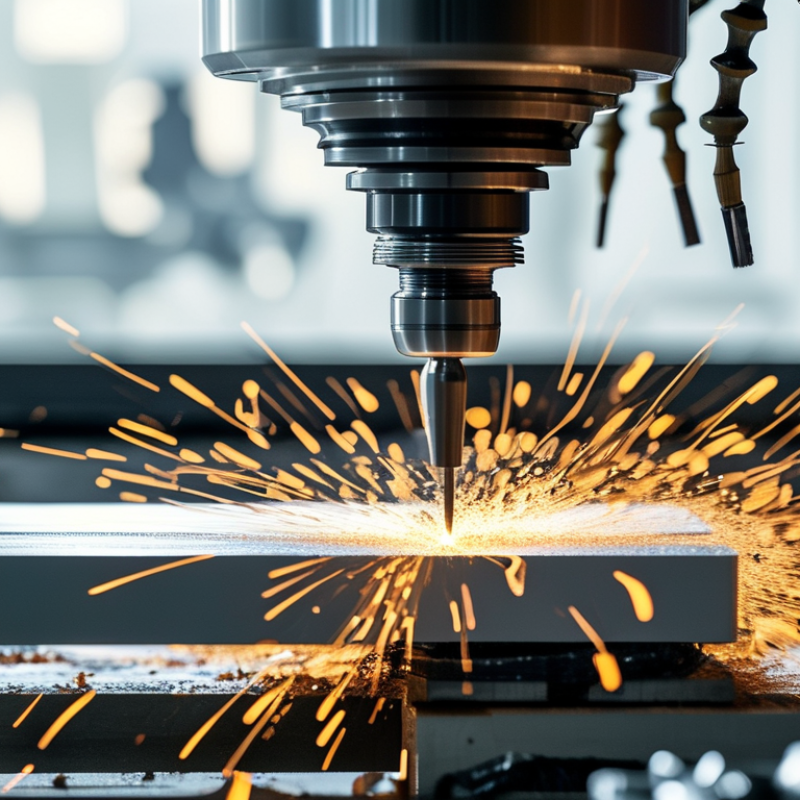
Understanding Precision CNC Machining and Its Process
Precision CNC machining is revolutionizing the manufacturing process. It uses computer-controlled tools to create complex parts with high accuracy. Unlike manual machining, CNC machining eliminates human error, ensuring consistent quality. This precision is crucial for industries like aerospace and medical devices, where even minor inaccuracies can lead to significant issues.
When dealing with CNC machining, understanding the process is vital. Machines follow programmed instructions, cutting materials into desired shapes. This automation increases production speed and reduces labor costs. However, operators must remain vigilant. An error in programming can lead to costly mistakes or flawed products.
Tip: Regularly maintain CNC machines to ensure they perform optimally. This can prevent unexpected downtime and improve overall efficiency.
Engaging with the technology requires skill and knowledge. Advanced CNC machines can handle diverse materials. However, not all operators are trained to utilize them fully. Continuous education and practice are essential. Mistakes at the setup stage can lead to waste of materials and time.
Tip: Always double-check machine settings before starting production runs. It saves time and resources in the long run.
Precision CNC machining offers numerous advantages over manual methods. The ability to produce identical parts with minimal human interference enhances reliability. While the technology is robust, it is imperative to recognize its limitations and areas for improvement.
Enhanced Accuracy and Consistency in CNC Machining Compared to Manual Techniques
Precision CNC machining offers significant advantages over manual machining, especially in accuracy and consistency. This technique relies on computer-controlled systems to guide machinery, ensuring that each cut is executed with near-perfect precision. For industries requiring intricate designs, even the smallest error can lead to costly defects. CNC machining reduces these risks, creating components that are identical every time they are produced.
Consider the production of aerospace parts. These components must meet strict tolerances. A slight deviation can compromise safety and functionality. CNC machines can perform complex operations without fatigue. This leads to consistent quality across large production runs. However, while CNC machining excels in precision, it's not infallible. The initial setup can be time-consuming, and programming errors can cause issues. It's essential to routinely check and maintain these machines to ensure their reliability.
In contrast, manual machining relies heavily on the skill of the technician. Human error is always a factor. While experienced machinists can achieve remarkable results, variations are inevitable. Sometimes, a technician may overlook minute details. This can lead to inconsistencies that CNC machining can easily avoid. Ultimately, the choice between these methods depends on project requirements and resources.
5 Key Advantages of Precision CNC Machining Over Manual Machining
| Advantage |
CNC Machining |
Manual Machining |
| Enhanced Accuracy |
±0.001 inches |
±0.005 to ±0.010 inches |
| Production Speed |
High speed, continuous operation |
Slower, dependent on operator skill |
| Consistency |
Uniformity across parts |
Variations due to human error |
| Complexity of Designs |
Capable of intricate shapes |
Limited to simpler designs |
| Material Waste |
Lower waste through optimization |
Higher waste rates |
Improved Efficiency and Time Savings with CNC Machining
CNC machining offers significant improvements in efficiency compared to manual machining. This technology automates the manufacturing process, allowing for faster production times. For example, a component that takes hours to produce manually can be completed in minutes using CNC methods. This reduction in time can lead to significant cost savings for businesses.
Moreover, CNC machines can run continuously, reducing downtime associated with manual labor. Operators are freed up to focus on quality control and other essential tasks. While manual machining requires constant human intervention, CNC systems automatically perform intricate operations without breaks. This allows for consistent output and reduces the chance for mistakes, although initial setup and programming may require careful planning and expertise.
Despite these benefits, it’s essential to acknowledge the learning curve associated with CNC technology. Transitioning from manual to CNC machining requires a skilled workforce. Training may take time, and a poorly programmed machine can lead to errors. Facilities may need to adapt before fully reaping the benefits of CNC efficiency. Embracing these challenges helps ensure a smoother transition and optimizes productivity in the long run.
5 Key Advantages of Precision CNC Machining Over Manual Machining
This chart illustrates the key advantages of precision CNC machining over manual machining, rated on a scale of 1 to 10. As demonstrated, CNC machining excels in efficiency, accuracy, and production speed, making it a superior choice for modern manufacturing.
Greater Design Flexibility and Complexity Capabilities in CNC Operations
CNC machining offers significant advantages in design flexibility and complexity compared to manual machining. One of the key strengths of CNC technology is its ability to execute intricate designs with precision. This capability allows engineers to create complex shapes that would be nearly impossible to achieve manually. Detailed geometries such as curves, grooves, and fine details can be produced efficiently and accurately.
In CNC machining, programming is essential. It allows designers to fine-tune specifications easily. This adaptability means that changes can be implemented quickly without extensive reworking. However, even with advanced technology, there can be challenges. Occasionally, the software may misinterpret designs, leading to errors. Regular updates and training can help mitigate these risks.
Tip: Always review the design before finalizing the CNC program. This small step can save time and resources.
Moreover, CNC machines excel in producing multiple identical parts consistently. This is particularly beneficial for production runs. The ability to replicate complex designs allows for scalability. Yet, maintaining design integrity can sometimes be tricky. A slight change in parameters can affect the output. Ensuring close monitoring during the machining process is vital.
Tip: Conduct regular quality checks throughout the machining process to enhance reliability.
Cost-Effectiveness in High-Volume Production Through CNC Machining
CNC machining provides significant cost-effectiveness in high-volume production settings. Precision machining allows manufacturers to create identical components with minimal waste. This efficiency reduces material costs, making the process attractive for large orders.
Manual machining often involves more human labor, which can lead to variability in output. In contrast, CNC machines operate consistently, which helps maintain tight tolerances. This reliability translates to less time spent on part rework and higher overall productivity.
However, there can be upfront costs associated with setting up CNC equipment. The initial investment may seem high, but savings accumulate quickly in long production runs. Some companies may still rely on manual methods for smaller batches, as they might feel uncertain about fully transitioning to CNC. Evaluating these factors carefully can help businesses choose the best machining methods for their needs.
FAQS
: CNC machining automates the manufacturing process, improving efficiency and reducing production time significantly.
It allows fast production. Tasks that take hours manually can be completed in minutes with CNC technology.
Yes, CNC machines can run continuously. This reduces downtime compared to manual machining that requires constant human intervention.
Operators focus on quality control. They are less involved in repetitive tasks, freeing time for important responsibilities.
There is a learning curve. A skilled workforce is needed, and improper programming can lead to errors.
Absolutely. It minimizes waste, maintains consistency, and reduces material costs, making it ideal for large orders.
Setting up CNC equipment may involve high upfront costs. However, savings come quickly with long production runs.
Uncertainty about fully transitioning from manual methods may make businesses stick to traditional machining for smaller batches.
Conclusion
Precision CNC machining offers several key advantages over traditional manual machining methods. First, what are the advantages of precision CNC machining over manual machining? The enhanced accuracy and consistency in CNC processes ensure that parts are produced to exact specifications, significantly reducing the risk of human error. Additionally, CNC machining greatly improves efficiency, allowing for quicker production times and enabling manufacturers to meet tight deadlines.
Moreover, CNC machining provides greater design flexibility, accommodating complex shapes and intricate details that manual techniques may struggle to achieve. This capability, combined with its cost-effectiveness in high-volume production, positions precision CNC machining as a superior choice for industries that require detailed and reliable components. Overall, these advantages make CNC machining a preferred method in modern manufacturing.

 Gemnexa CNC