In the competitive world of CNC manufacturing, maintaining high-quality tolerances is crucial for precision and performance. According to John Smith, a seasoned expert in CNC machining, “Precision is not a luxury; it is a necessity.” This principle underlines that achieving consistent tolerances can significantly impact the final product's quality.
To effectively maintain high-quality tolerances in CNC parts, various strategies are employed. Regular machine maintenance, skilled labor, and advanced technology all play vital roles. It's essential to monitor tools closely, as worn tools can lead to deviations in measurements. Yet, not all manufacturers have the resources to implement these changes seamlessly.
Further complicating the issue, environmental factors can influence outcomes. Temperature control and humidity levels also affect machining processes. Striking a balance between quality and cost often leads to tough decisions. Ultimately, addressing these challenges is key to mastering how to maintain high-quality tolerances in CNC parts.
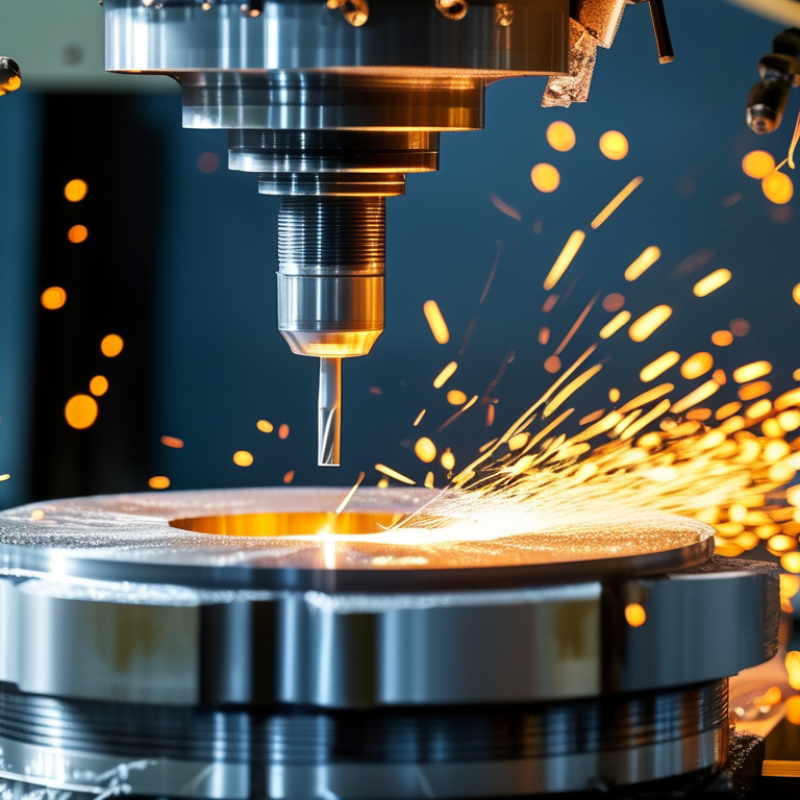
Understanding tolerances in CNC machining is crucial to ensuring the precision of manufactured parts. Tolerances define the allowable variation in a part's dimensions. For instance, in a recent industry report, it was noted that parts manufactured with a tolerance of ±0.01 mm experience a significant reduction in rejection rates. This precision can dramatically increase product quality and reliability, impacting overall production efficiency.
Achieving high-quality tolerances involves using advanced measurement tools such as coordinate measuring machines (CMMs). These tools can accurately check dimensions within micrometer precision. However, maintaining consistent tolerances can be challenging. Factors like tool wear, machine calibration, and environmental conditions can introduce variability. A study found that 78% of production issues stem from these factors, highlighting the need for regular monitoring and adjustment.
Incorporating a robust quality control process is essential. Teams must analyze data from production runs to identify trends and anomalies. For instance, if a batch of parts consistently falls outside tolerance limits, immediate investigation is necessary. Continuous improvement through feedback loops can help address issues. Nevertheless, achieving perfect tolerances remains an ongoing challenge, requiring dedication and expertise in CNC machining.
Choosing the right materials for CNC precision parts is crucial. The material influences the final part's quality, durability, and how it behaves under stress. Metals like aluminum and steel are popular for their strength and machinability. However, plastics can also provide significant advantages. They are lightweight and resistant to corrosion.
Selecting the appropriate material requires careful consideration. For instance, aluminum is often chosen for its excellent thermal conductivity. Yet, it can warp if not handled properly during machining. Understanding material properties helps avoid costly mistakes and ensures precise tolerances.
Testing different materials in a prototype can reveal issues early. Sometimes, a material that seems ideal may not perform as expected. It's essential to reflect on what worked and what didn't. This knowledge improves future projects. Balancing desirability and practicality creates better outcomes in CNC part production.
Achieving precise tolerances in CNC machining necessitates a strategic approach to machine settings. Research from the American Society of Mechanical Engineers highlights that the right feed rate and spindle speed can significantly influence part accuracy. An optimized feed rate generally ranges from 20 to 60 inches per minute for various materials. Ensure your machine’s parameters align with your specific material properties.
Tips: Always calibrate your CNC machine before starting a new project. Regular calibration ensures that your machine operates within specified tolerances. Minor misalignments can lead to significant discrepancies in finished parts.
Tool selection plays a vital role. Using the wrong tool can result in over-cutting or under-cutting, which compromises quality. For instance, using a dull tool can increase friction and lead to thermal expansion, affecting precision. Maintaining your tooling with regular inspections can prevent such issues.
Tips: Monitor tool wear closely during production. A worn tool can degrade part quality quickly. Adjust your settings or switch tools as needed to maintain high standards. Balancing speed and accuracy is crucial. Be prepared to adjust your approach when initial results show deviations.
In CNC production, implementing robust quality control measures is essential for maintaining high-quality tolerances in parts. Data from the Precision Machined Products Association indicates that 30% of production costs are linked to quality failures. This underscores the need for meticulous processes in manufacturing.
Regular inspections during the CNC machining process can catch errors early. Set checkpoints for dimensional accuracy. Use calibrated instruments to ensure measurements are accurate. Incorporate statistical process control (SPC) to analyze variations in production. This method has been shown to reduce defects by up to 50% in some facilities.
Tip: Train your employees on common defects and tolerance levels. Their awareness can enhance the overall quality of production.
Another vital aspect is documentation. Keeping detailed records of measurements and adjustments offers insight into trends over time. It facilitates better decision-making on equipment management. Regular audits should be part of the plan. These evaluations can reveal weaknesses in the current processes.
Tip: Utilize automated systems for real-time data tracking. This investment can pay off with improved accuracy and fewer revisions.
Regular maintenance and calibration of CNC equipment are crucial for achieving high-quality tolerances in CNC parts. Consistent checks of machine components ensure precision and reliability. This process involves inspecting critical elements like spindles, linear guides, and ball screws. If these parts show wear, they should be replaced promptly. Relying on outdated components can lead to significant discrepancies in part dimensions.
Calibration is another key aspect that cannot be neglected. Regularly calibrating CNC machines helps maintain accuracy. A calibration schedule should be established based on the machine's usage. It’s wise to document each calibration session, noting any deviations. These records provide insight into machine performance over time.
Over time, even the best maintenance routines can reveal unexpected issues. Machines may still produce parts outside of specified tolerances. Analyzing the root cause of these failures can lead to better practices. Continuous improvement in maintenance protocols drives better results. It's essential to acknowledge that no system is perfect; adjustments are necessary to fine-tune performance.
: The right material affects quality, durability, and performance under stress. Choosing wisely prevents costly mistakes.
Popular materials include aluminum and steel for strength. Plastics are lightweight and resistant to corrosion.
Aluminum can warp if not handled properly. This requires careful monitoring during the machining process.
Testing reveals potential issues early. It helps you understand what works and what doesn't for future projects.
Feed rates typically range from 20 to 60 inches per minute. This varies based on the material used.
Calibration ensures machines operate within specified tolerances. Minor misalignments can lead to significant discrepancies.
Using the wrong tool can cause over-cutting or under-cutting. This compromises the quality of the final product.
Keep an eye on tool wear. A worn tool can degrade part quality rapidly, requiring adjustments to maintain standards.
Be prepared to adjust approaches. Initial results may show deviations, necessitating changes in strategy.
Consider what worked and what didn't. This reflection aids in improving future CNC part production efforts.
Maintaining high-quality tolerances in CNC parts is crucial for ensuring accuracy and performance in manufacturing processes. To achieve this, it is essential to understand the specific tolerances relevant to CNC machining, which dictate the allowable limits of variation in part dimensions. Choosing the right materials designed for precision can significantly impact the overall quality of the final products.
Moreover, optimizing CNC machine settings, such as feed rate and spindle speed, plays a vital role in achieving desired tolerances. Implementing robust quality control measures throughout the CNC production process helps to identify and rectify deviations early on. Regular maintenance and calibration of CNC equipment are equally important to ensure machines operate at their best, thereby consistently producing parts that meet high-quality tolerance standards. Addressing these key areas will answer the question: "How to maintain high-quality tolerances in CNC parts?" effectively.

Gemnexa CNC