How to Optimize CNC Toolpaths for Faster Production Efficiency?

Time:2026-06-19 Author:Oliver
0%

In the competitive landscape of manufacturing, understanding "how to optimize CNC toolpaths for faster production" is critical. Efficient toolpaths reduce cutting time and enhance overall productivity. By minimizing unnecessary movements, manufacturers can save both time and resources.

An optimized toolpath can dramatically impact the production cycle. It requires a blend of expert knowledge and practical experience. Understanding the nuances of different materials and cutting tools can inform better decisions. However, achieving this optimization is not always straightforward. Trial and error may be necessary to identify the most effective strategies.

Furthermore, it is vital to regularly assess and refine toolpath strategies. What works today may not be suitable tomorrow as technologies evolve. Embracing both expertise and innovation in CNC processes ensures continuous improvement. By focusing on adaptability, manufacturers can navigate the complexities of optimization effectively.
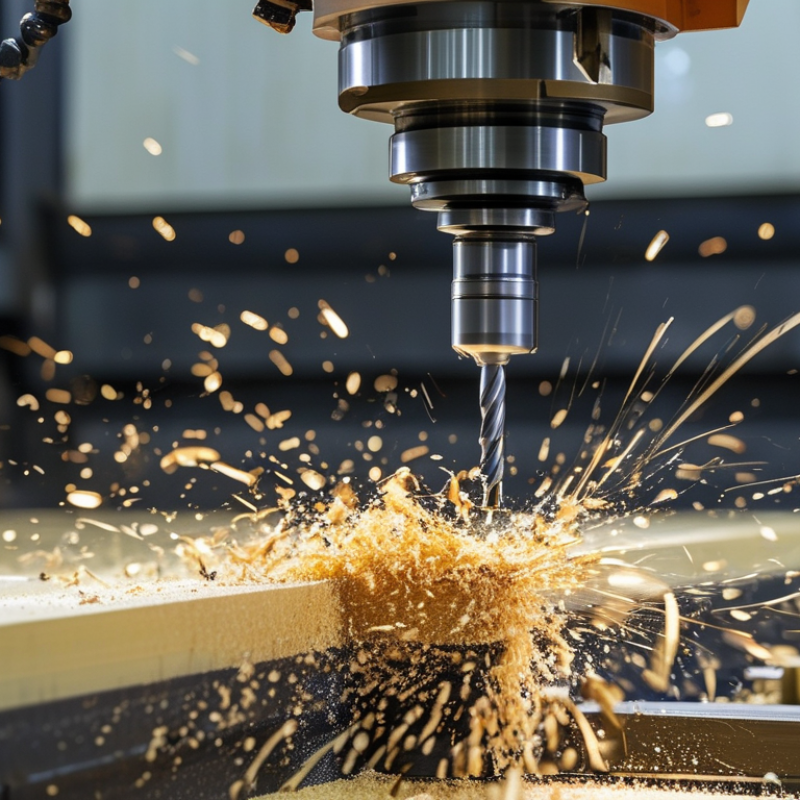
How to Optimize CNC Toolpaths for Faster Production Efficiency?

Understanding CNC Toolpaths and Their Importance in Production

CNC toolpaths are essential in modern manufacturing. They dictate how a machine cuts and shapes materials. Optimizing these paths can significantly enhance production efficiency. A well-designed toolpath minimizes waste and reduces processing time. This leads to lower costs and faster turnaround.

The complexity of toolpaths affects machining precision. Simpler paths can be quicker but may lack detail. Conversely, complex paths can deliver fine results but might slow down production. Finding the right balance is crucial.

Analyzing previous machining operations can provide insights. Observing patterns in tool wear and material removal rates informs better choices for future projects.

Real-world applications reveal challenges in optimizing toolpaths. Operators often face constraints like machine capabilities and stock material. Misalignment between toolpaths and actual machine operation can lead to inefficiency. Continuous assessment and adjustments are necessary. As technology evolves, so must our strategies for toolpath optimization. Embracing innovation while addressing past weaknesses is vital for progress.

Key Factors Affecting CNC Toolpath Optimization

When optimizing CNC toolpaths, several key factors come into play. The choice of cutting tools significantly impacts efficiency. Using appropriate cutting speeds and feeds can enhance tool longevity and reduce cycle times. A well-matched tool ensures a smoother operation, minimizing vibration and wear. Engaging the right tool for the material leads to better results. However, not all materials respond equally to every tool.

Another critical aspect is the toolpath strategy. Different strategies such as roughing and finishing should be clearly defined. Continuous paths can reduce travel time, while adaptive clearing might enhance material removal rates. Yet, the complexity of the design can sometimes lead to unforeseen issues. It's crucial to balance speed with the quality of the finish, as a rushed process can increase the need for rework.

Additionally, machine settings must be fine-tuned. Ensuring optimal coolant application can prevent overheating and prolong tool life. However, adjusting these settings also requires real-time monitoring. Feedback loops are necessary to refine the process continuously. Regular evaluations can lead to the discovery of minor flaws, prompting adjustments that might seem insignificant but greatly improve overall efficiency.

Techniques for Improving CNC Toolpath Efficiency

Efficient CNC toolpaths are crucial for boosting productivity in manufacturing. Several techniques can streamline these processes. One common method is optimizing feed rates. Adjusting the speed at which tools move can significantly reduce production time. Proper calibration ensures the tools operate effectively without compromising the quality of cuts.

Tips: Monitor your feed rates closely. Too fast can lead to errors. Too slow may waste time. Finding the sweet spot is key.

Another technique involves the use of adaptive toolpath strategies. These methods adjust the tool’s path based on material conditions. By reducing unnecessary movements, they improve both speed and precision. Additionally, analyzing previous projects can provide insights into effective strategies or areas needing refinement.

Tips: Review past toolpath setups. Identify patterns that worked or didn’t work. Continuous learning is vital for improvement. Experiment with different configurations to find what best fits your setup.

Utilizing Software Solutions for CNC Toolpath Management

In the realm of CNC machining, optimizing toolpaths is essential for enhancing production efficiency. Software solutions are pivotal in this process, facilitating effective CNC toolpath management. According to a report by Gardner Business Media, over 70% of manufacturers see substantial gains when using advanced software for machining processes. These tools not only streamline designs but also reduce cycle times dramatically.

Integrating simulation software can substantially minimize potential errors in machining. Research indicates that errors in CNC programming can lead to up to 30% wasted material and time. By utilizing software that predicts tool interaction with materials, manufacturers can avoid costly mishaps. This proactive approach enables real-time adjustments, leading to smoother operations and fewer delays.

Moreover, not all software solutions perform equally. While many claim efficiency boosts, the reality often falls short. It's crucial to analyze your specific production needs to select the right tool. Many companies fail by adopting one-size-fits-all solutions without considering their unique operational challenges. Continuous evaluation and feedback loops are necessary to refine processes and ensure the best outcomes.

Optimizing CNC Toolpaths: Production Efficiency Insights

Assessing the Impact of Toolpath Optimization on Overall Productivity

Toolpath optimization is vital in CNC machining. It streamlines the process, potentially increasing productivity. Through precise planning of tool movements, manufacturers can reduce cycle times and minimize waste. A well-optimized path can significantly cut down on the time machines run idle.

However, achieving optimal toolpaths requires expertise. An understanding of the material, tooling, and machine capabilities is crucial. Even with advanced software, overlooking any variables can lead to inefficiencies. Operators must continually assess and refine the paths to adapt to changing conditions, such as tool wear or material inconsistencies.

Real-world applications offer insights. For instance, an optimized toolpath may drop machining time by 30%, yet it could introduce complexities in programming. Regular evaluation of results is necessary. This reflection ensures ongoing improvement and addresses potential errors. Manufacturers benefit from fostering a culture of continuous learning and adaptation.

FAQS

: What are CNC toolpaths?

: CNC toolpaths dictate how machines cut and shape materials. They are vital for modern manufacturing efficiency.

Why are optimized toolpaths important?

Optimized toolpaths reduce waste and processing time. This can lead to lower costs and faster turnaround.

How does complexity affect toolpaths?

Simpler paths can be quicker but may lack detail. Complex paths provide fine results but might slow production.

What should you analyze to improve toolpath design?

Analyze previous machining operations for insights. Observe patterns in tool wear and material removal rates.

What challenges do operators face with toolpaths?

Operators may face constraints like machine capabilities and stock material. Misalignment can lead to inefficiency.

What technique can improve CNC toolpath efficiency?

Adjusting feed rates can significantly reduce production time. Proper calibration is essential for quality cuts.

How can adaptive toolpath strategies help?

Adaptive strategies adjust paths based on material conditions. They reduce unnecessary movements for better speed and precision.

Why is continuous assessment important?

Continuous assessment allows for adjustments to toolpaths. This is essential as technology and strategies evolve.

What should you do with past toolpath setups?

Review past setups to identify effective patterns. Continuous learning and experimenting can lead to improvement.

How can errors in feed rates affect production?

Too fast can lead to errors; too slow may waste time. Finding the right speed is crucial for efficiency.

Conclusion

Optimizing CNC toolpaths is essential for enhancing production efficiency in manufacturing processes. The article delves into the significance of CNC toolpaths, highlighting their role in the overall production workflow. Key factors such as cutting speed, machine configuration, and material properties are explored, emphasizing their impact on toolpath optimization. Techniques like adjusting feed rates and minimizing tool travel time can lead to marked improvements in machining efficiency.

Moreover, utilizing advanced software solutions for CNC toolpath management can further streamline operations. These tools help in simulating different scenarios and assessing the best possible paths, leading to increased productivity. In conclusion, understanding "how to optimize CNC toolpaths for faster production" involves a comprehensive approach that includes both strategic planning and technological integration to maximize efficiency in manufacturing.

Oliver

Oliver

Oliver is a seasoned marketing professional with a wealth of expertise in driving brand awareness and engagement. With a deep understanding of our company's product offerings, he consistently delivers high-quality content that enriches our professional blog. His insights not only shed light on......