Top 10 Reasons Why 3D CNC Machined Components Are Key in Prototyping?

Time:2026-06-22 Author:Madeline
0%

The landscape of prototyping is evolving rapidly. As industries rush to innovate, a question arises: Why are 3D CNC machined components essential in prototyping? These components play a crucial role in turning ideas into tangible products. They offer precision and efficiency, addressing challenges that traditional methods cannot.

Many designers and engineers face hurdles with conventional prototyping techniques. They often require longer timelines and higher costs. In contrast, 3D CNC machining streamlines the process. It provides rapid manufacturing capabilities. This method simplifies complex designs while maintaining high accuracy. The ability to create intricate parts quickly allows for extensive testing and refinement.

Additionally, 3D CNC machined components foster creativity. Designers can experiment with unique shapes and materials that traditional methods restrict. However, businesses must carefully consider their implementation. Not every project benefits from this technology, and over-reliance can stifle innovation. Engaging with experts in CNC machining is crucial for making informed decisions. The integration of these components can redefine prototyping, but only when deployed thoughtfully.
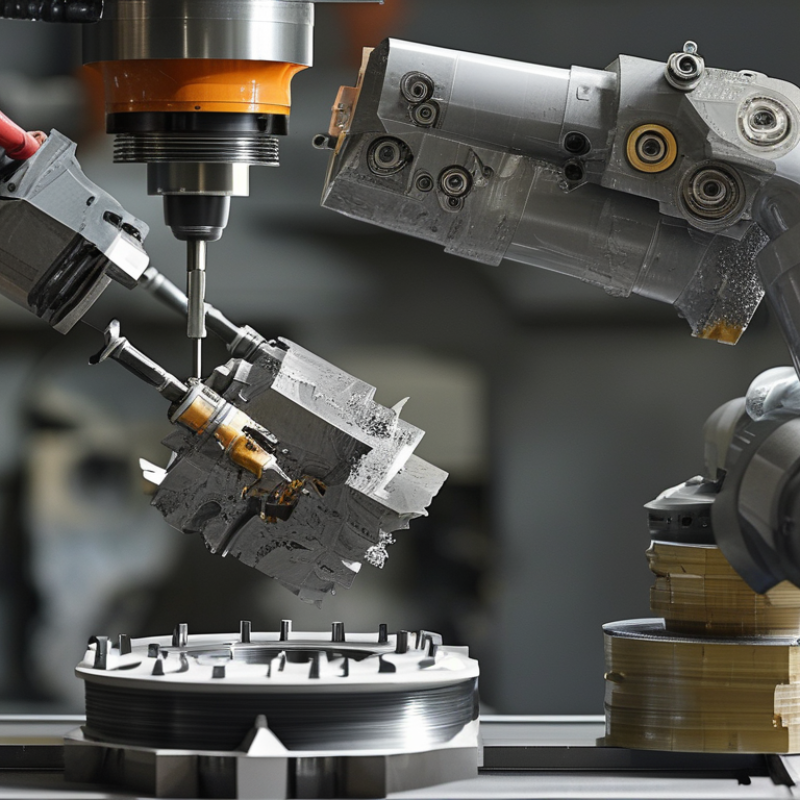
Top 10 Reasons Why 3D CNC Machined Components Are Key in Prototyping?

The Importance of Precision: CNC Machining Tolerance Standards in Prototyping

In the realm of prototyping, CNC machining holds a pivotal role. The precision it offers is unmatched. Tolerance standards are critical in this context. They ensure that every component fits perfectly. A small error can lead to significant problems later. Thus, understanding these standards is essential for any prototyping project.

CNC machining allows for intricate designs and complex geometries. This capability is particularly beneficial for rapid prototyping. It enables designers to test ideas quickly. However, maintaining tolerances requires expertise. Not all CNC machines handle tight tolerances equally. Some parts may come out of spec. This variability can impact a project's success.

The art of CNC machining lies in its precision. Achieving the right tolerances involves skill and experience. Designers must validate their models against standards. Even the best machines can falter without proper input. Reflecting on past prototypes can reveal areas for improvement. Continuous learning in this field fosters innovation and reliability. Therefore, acknowledging imperfections is key to mastering CNC machining in prototyping.

Material Selection: Enhancing Performance with 3D CNC Machined Parts

Material selection plays a crucial role in enhancing the performance of 3D CNC machined components. Different materials exhibit unique mechanical properties. For instance, aluminum components offer excellent strength-to-weight ratios, making them ideal for aerospace prototypes. Steel, known for its durability, is often used in automotive applications. According to industry reports, 70% of product failures stem from improper material choices. This emphasizes the need for careful selection.

Moreover, the rapid prototyping process allows designers to test various materials quickly. Innovations in 3D printing technologies expand the range of available materials, including composites and polymers. These materials can be tailored for specific performance requirements. However, challenges remain. Not all materials are compatible with 3D CNC machining. Some may warp or require extensive post-processing. Choosing the right material is not merely a technical decision; it also impacts cost and time efficiency.

The performance of these components directly influences the entire project timeline. A well-selected material can expedite the prototyping phase, keeping development on schedule. On the other hand, wrong choices can lead to delays and increased costs. Efficient material selection is essential for successful prototyping, aligning functionality with production processes.

Top 10 Reasons Why 3D CNC Machined Components Are Key in Prototyping

Reason Description Material Benefits
Precision Allows for intricate designs and tight tolerances. Aluminum provides excellent machinability.
Speed Faster manufacturing process compared to traditional methods. Polymer materials can expedite setup times.
Cost-Effectiveness Reduces waste material and machining time. Steel offers durability at a competitive cost.
Material Versatility Supports a wide variety of materials for different applications. Composites provide lightweight yet strong components.
Prototyping Accuracy Ensures that the prototypes are true representations of final products. Titanium offers high strength-to-weight ratio.
Customization Easily tailored designs to meet specific requirements. Plastics can be easily modified for specific functionalities.
Rapid Prototyping Speeds up the design cycle allowing for faster iterations. Polypropylene offers flexibility for tests.
Quality Assurance Ensures high-quality output through stringent checks. Nylon provides strength and durability for long-term use.
Testing Simulations Allows for pre-production testing under actual conditions. Carbon fiber enhances performance during dynamic testing.
Innovation Promotes creative solutions and innovative designs. Advanced alloys facilitate unique design possibilities.

Cost Efficiency: How CNC Machining Reduces Prototyping Expenses

CNC machining is a game changer in prototyping. Its cost efficiency stands out prominently. Reports show that companies can reduce prototyping expenses by up to 30% when using CNC technology. This reduction stems from quicker turnaround times and minimized material waste. Traditional methods often lead to higher costs due to longer production times and inefficient material usage.

Additionally, CNC machines create precise and consistent components. This precision reduces the need for costly revisions after the initial prototypes. Studies indicate that dimensional accuracy improves by 20% compared to manual methods. The consistent output not only saves money but also speeds up the product development timeline. Engineers can iterate designs faster, leading to earlier market entry.

However, it’s essential to consider that CNC machining may not suit every prototype. The initial setup costs can be high, and small runs might not benefit evenly. Companies must weigh these factors against the potential savings. Reflecting on these aspects can help stakeholders make informed decisions about their prototyping strategies.

Time-to-Market Reduction: Speeding Up Prototyping with 3D CNC Technology

Prototyping is crucial in product development. With traditional methods, delays are common. 3D CNC machining addresses these issues effectively. According to a 2022 industry report, companies using this technology have cut their prototype lead times by up to 70%. This is a remarkable improvement. Rapid production allows for more iterations. Designers can test and refine their ideas quickly.

Speed is not the only advantage. High precision is essential in prototyping. 3D CNC machines can achieve tolerances of +/- 0.02 mm. This level of accuracy is important for functional testing. Mistakes can lead to costly redesigns. Companies must ensure their prototypes reflect the final product closely to avoid surprises during production.

**Tip:** Use 3D CNC machining for its flexibility. This allows for adjustments mid-process. Getting feedback early can save significant time later.

Keep in mind that while speed is important, quality should not be sacrificed. Not every design will translate well in a hurry. Rushed prototypes can result in failures during testing. Therefore, balance time efficiency with thorough evaluation.

**Tip:** Set clear goals for each prototype iteration. This ensures focused improvements and stays on track. Avoid getting bogged down in details that don't serve immediate objectives.

Customization Capabilities: Tailoring Prototypes with Advanced CNC Techniques

In the rapidly evolving world of prototyping, the customization capabilities offered by advanced CNC machining techniques play a crucial role. These methods allow for precise adjustments to meet specific design requirements. For example, engineers can tailor the material composition and geometrical dimensions based on project needs. This adaptability not only enhances performance but also aligns perfectly with client expectations.

Moreover, 3D CNC machining significantly reduces turnaround times. By producing parts directly from CAD files, manufacturers save resources and minimize the risk of errors. However, this rapid production can sometimes lead to unforeseen challenges. Adjusting complex designs may result in discrepancies between prototypes and final products. Careful planning and constant iteration are often necessary to achieve optimal results.

The ability to create customized prototypes opens new avenues for innovation. As designers push the limits, they may encounter unexpected intricacies within their designs. Recognizing these challenges can lead to improved outcomes. Embracing the trial-and-error approach becomes essential in this dynamic environment. Ultimately, the blend of technology and customization fosters a unique space for creativity and problem-solving.

FAQS

: What is the role of CNC machining in prototyping?

: CNC machining is essential for achieving unmatched precision in prototyping, ensuring components fit perfectly.

Why are tolerance standards important in CNC machining?

Tolerance standards are critical to avoid significant problems caused by small errors during the prototyping process.

What challenges can arise with CNC machining tolerances?

Maintaining tight tolerances can be difficult; some parts may come out of spec, affecting project success.

How does material selection affect 3D CNC machined components?

Material choice impacts mechanical properties, performance, and can lead to product failures if chosen improperly.

What are the risks of rapid prototyping with various materials?

Some materials may not be compatible with CNC machining, leading to warping or increased post-processing.

How does customization in CNC machining benefit prototyping?

Customization allows for precise adjustments, enhancing performance, but can lead to discrepancies in final products.

What is the importance of planning in the customization process?

Careful planning and constant iteration help avoid issues and achieve optimal results in customized prototypes.

Can material choices influence project timelines?

Yes, well-chosen materials can expedite prototyping, while poor choices may cause delays and increase costs.

What should designers reflect on when improving prototypes?

Reflecting on past mistakes and challenges can reveal areas for improvement and foster continuous learning.

How does the trial-and-error approach play a role in prototyping?

Embracing trial-and-error allows designers to innovate and navigate unexpected challenges effectively.

Conclusion

In the realm of prototyping, the significance of 3D CNC machined components cannot be overstated. Why are 3D CNC machined components essential in prototyping? Firstly, precision is paramount; CNC machining adheres to strict tolerance standards, ensuring that prototypes meet exact specifications. Secondly, the selection of materials enhances the performance of these parts, allowing for more effective testing and validation processes. Additionally, the cost efficiency associated with CNC machining reduces prototyping expenses considerably, making it an attractive option for many businesses.

Furthermore, 3D CNC technology accelerates the time-to-market by streamlining the prototyping phase, enabling teams to iterate quickly and efficiently. Customization capabilities also play a crucial role, as advanced CNC techniques allow for tailored prototypes that meet specific project needs. In summary, integrating 3D CNC machined components is vital for innovation and efficiency in modern prototyping practices.

Madeline

Madeline

Madeline is a dedicated marketing professional with a wealth of expertise in our company's core offerings. With a keen understanding of the industry, she brings a unique perspective to her role, consistently delivering high-quality content that highlights the superior aspects of our products. As......