CNC machining of aluminum parts presents unique challenges in achieving a superior surface finish. The precision and quality of the finished product largely depend on various factors in the machining process. According to Dr. Sarah Mitchell, an expert in CNC engineering, “Attention to detail in machining setups and tools can dramatically improve surface finishes.” This emphasizes the need to explore methods in detail.
Understanding "How to improve surface finish in CNC aluminium parts?" is essential for manufacturers. A smooth surface ensures better aesthetics, performance, and wear resistance. However, issues like machine vibration, tool wear, and incorrect speeds can lead to poor finishes. These problems often stem from the complexities of aluminum materials themselves.
Machinists must experiment with different tools and settings. Adjusting feeds and speeds can yield better results. Not every method works for every project, necessitating a thoughtful approach. Continuous reflection on machining practices helps pinpoint areas for improvement. This journey of learning is crucial to mastering the art of CNC machining in aluminum.
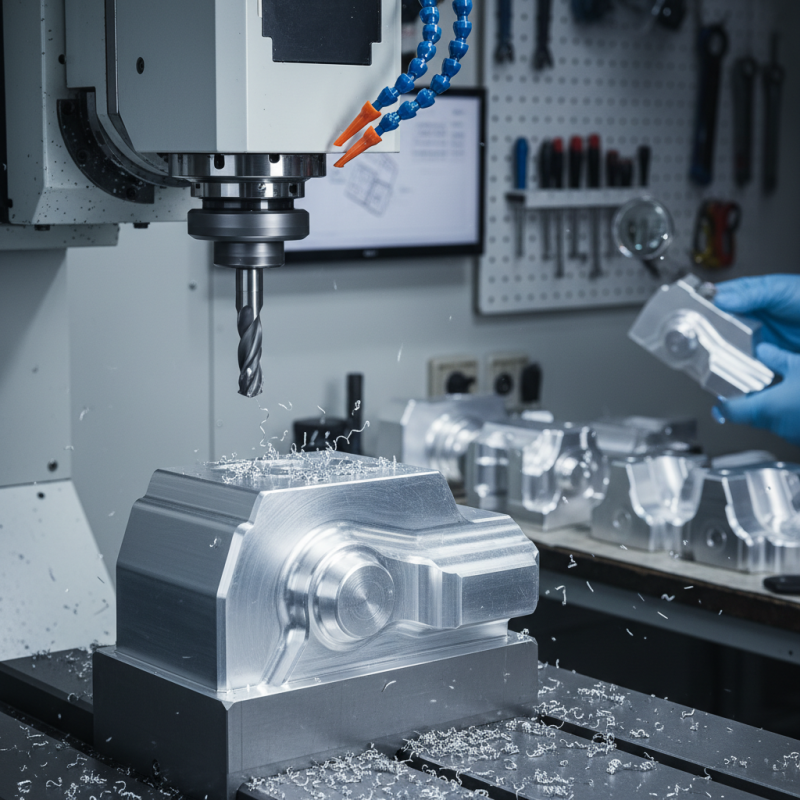
In CNC machining, surface finish plays a critical role in the performance and aesthetics of aluminium parts. A polished surface can enhance durability and resistance to corrosion. Studies indicate that components with a 32µin (0.8µm) finish can improve fatigue resistance by up to 30%. This is significant, especially in high-stress applications. Surface finishing can also impact the product assembly process, ensuring tighter tolerances and reducing wear over time.
That said, achieving optimal surface finish is not straightforward. Factors such as tool wear, machining speed, and feed rate can lead to unexpected variations. For instance, a study by the American Society of Mechanical Engineers noted that 25% of surface finish defects stem from improper tool selection. This suggests that attention to detail is essential throughout the machining process. Additionally, operators must regularly assess their machining conditions, as minor adjustments can yield significant improvements in finish quality.
Moreover, while many manufacturers aim for a mirror-like finish, not all applications require it. Sometimes, a rougher texture may suffice, especially where adhesion or coating is involved. Balancing the finish quality with production costs remains an ongoing challenge in the industry. Continuous learning from these discrepancies can lead to better practices and improved surface finishes in future projects.
Selecting the right tooling for CNC machining significantly impacts the surface quality of aluminium parts. The choice of tools should align with material properties and desired finish. High-speed steel or carbide tools are widely used in aluminium machining due to their durability. These materials can withstand the demands of machining while producing finer finishes. Additionally, using tools with appropriate coatings can enhance performance, reducing friction and increasing tool life.
The geometry of the tooling also plays a vital role. A sharp cutting edge can minimize burr formation and improve surface finish. However, some machinists overlook the importance of tool wear and neglect regular inspections. This negligence can lead to poor surface quality, even with the right tools. It’s essential to balance tool selection with maintenance practices.
Experimenting with different tools can yield insights into optimal settings. Some may find their initial choices yield unsatisfactory results. Adjusting parameters like feed rate and spindle speed can compensate for tool selection missteps. Tracking these adjustments helps refine processes over time. Continuous evaluation of tooling performance can lead to better decisions in future projects.
| Tip Number | Tip Description | Recommended Tool | Surface Finish Improvement Expected (%) |
|---|---|---|---|
| 1 | Optimize Cutting Speed | High-Speed Steel (HSS) Tools | 20% |
| 2 | Use Carbide Inserts | Carbide Inserts | 30% |
| 3 | Adjust Feed Rate | Variable Feed Rate Controller | 15% |
| 4 | Select Proper Tool Geometry | Razor Sharp End Mills | 25% |
| 5 | Implement Proper Coolant Use | Flood Coolant System | 20% |
| 6 | Maintain Tooling Regularly | Regular Maintenance Checklist | 10% |
| 7 | Minimize Tool Wear | PVD Coated Tools | 15% |
| 8 | Utilize Finishing Passes | Finishing End Mills | 40% |
| 9 | Control Tool Vibration | Damping Equipment | 18% |
| 10 | Choose the Right Aluminium Alloy | 6061 vs 7075 | 25% |
Achieving superior surface finish in CNC machined aluminium parts relies heavily on optimizing cutting parameters. A recent industry survey revealed that over 70% of manufacturers reported improved surface quality by adjusting cutting speeds and feed rates. For aluminium, recommended cutting speeds typically range from 300 to 600 m/min, depending on the alloy. However, pushing these limits without proper monitoring can lead to undesirable finishes.
Additionally, fine-tuning the feed rate can significantly influence the finish achieved. A slower feed rate often results in better surface quality, but it can also increase machining time. Interestingly, a study indicated that a feed rate of 0.1 mm/rev generally yields a smoother finish compared to higher rates. Understanding the balance between efficiency and quality is crucial. Insufficient attention to these variables may lead to chattering and surface defects, demanding rework.
Tool selection and geometry also play significant roles. A high-quality tool with appropriate coatings can decrease friction and wear, enhancing the finish. For example, tools made with uncoated carbide or diamond coatings are preferable for their durability. However, tool wear can still present challenges, leading to inconsistencies in surface quality. Regular inspection and replacement of tools can mitigate these issues, but the costs associated can lead to budgetary concerns for many manufacturers.
Achieving a high-quality surface finish in CNC aluminium parts often hinges on effective post-processing techniques. One essential technique is sanding. It removes minor imperfections and enhances overall smoothness. Use sandpaper with varying grit levels, starting with coarser options and gradually moving to finer grades. This method requires patience and attention to detail. Skipping grits can lead to an uneven finish.
Another impactful approach is the use of chemical treatments. These coatings can not only improve aesthetics but also provide corrosion resistance. Ensure proper safety measures are in place while handling chemicals. Each treatment has specific requirements, and insufficient application can lead to subpar results.
Polishing is also crucial for achieving a mirror-like finish. Mechanical polishing tools can be employed for consistent results. However, careful positioning is crucial to avoid introducing new scratches or dulling the surface. Regularly inspecting your work during this stage is key to identifying flaws early. Balancing these techniques can lead to superior surface finishes, but it's important to accept that perfection is not always attainable. Continuous learning and adapting methods are essential in refining the process.
Regular maintenance practices are crucial to achieving consistent surface quality in CNC aluminium parts. Frequent assessments of the CNC machinery can help identify wear and tear before they affect production. Industry data indicates that 30% of surface finish issues arise from equipment malfunctions. Therefore, a proactive maintenance schedule can significantly reduce such risks.
Implementing a tips-based approach can enhance maintenance effectiveness. Ensure that cutting tools are regularly inspected and replaced when worn. Dull tools can lead to poor surface finishes and increase production time. Moreover, periodic calibration of machines is essential. Calibration maintains precision, as misalignment can result in uneven surfaces.
Routine cleaning of your CNC equipment is another critical aspect. Dust and debris can accumulate and compromise surface quality. Regularly clean workspaces to ensure optimal operation. While these steps seem straightforward, neglecting them can lead to noticeable defects in the final parts. Inconsistent finishes can harm product reputation and customer satisfaction, emphasizing the importance of diligent maintenance.
: Surface finish affects performance and aesthetics. A polished surface enhances durability and corrosion resistance.
A finish of 32µin can improve fatigue resistance by up to 30%. This is vital for high-stress applications.
Tool wear, machining speed, and feed rate lead to variations. These factors require careful monitoring and adjustments.
No, some applications may only need a rougher texture for adhesion or coating. Balancing quality and cost is important.
Adjusting cutting speeds and feed rates can enhance surface quality. Slower feed rates often yield smoother finishes.
High-quality tools reduce friction and wear, leading to better finishes. Regular inspection and timely replacements are necessary.
Regular checks can identify machinery wear, reducing surface finish issues. Most problems arise from equipment malfunctions.
Tools must be inspected frequently to ensure they remain effective. Dull tools can worsen surface quality and increase time.
Misaligned machines can create uneven surfaces, leading to defects. Calibration is key to maintaining precision in machining.
Dust and debris can compromise surface quality. Clean workspaces are essential for optimal CNC operation and good finishes.
Improving the surface finish in CNC aluminium parts is crucial for enhancing both aesthetics and functionality. To achieve this, one must first understand the significance of surface quality in CNC machining, which directly impacts the performance and lifespan of the components. Selecting the appropriate tooling is essential, as it can significantly influence the finish; high-quality cutting tools are necessary for achieving smooth surfaces.
Furthermore, optimizing cutting parameters such as speed, feed rate, and depth of cut is vital for superior finishes. Implementing effective post-processing techniques, like polishing or anodizing, can further enhance the surface quality. Lastly, regular maintenance of CNC machines ensures consistent performance and surface quality over time. By considering these aspects, manufacturers can effectively address the question of how to improve surface finish in CNC aluminium parts?

Gemnexa CNC