Top 10 Common CNC Finishing Techniques for Global Buyers?

Time:2026-05-22 Author:Henry
0%

CNC machining is crucial in modern manufacturing. It allows for precision and repeatability. However, achieving a perfect finish requires specific techniques. Global buyers often seek answers to one key question: What are the most common CNC finishing techniques? This knowledge can enhance product quality and efficiency.

Understanding the various finishing techniques is essential. It impacts the aesthetics and functionality of the final product. Techniques vary from simple sanding to intricate polishing. Each method brings unique advantages and challenges. For example, while anodizing improves corrosion resistance, it demands careful control.

Misinformation can lead to poor decisions. Buyers must rely on credible sources. Experience in the field offers insights into what works best. Finding the right technique can be a trial-and-error process. It’s vital to stay informed about innovations and best practices.
Top 10 Common CNC Finishing Techniques for Global Buyers?

Top CNC Finishing Techniques: An Overview of Key Methods

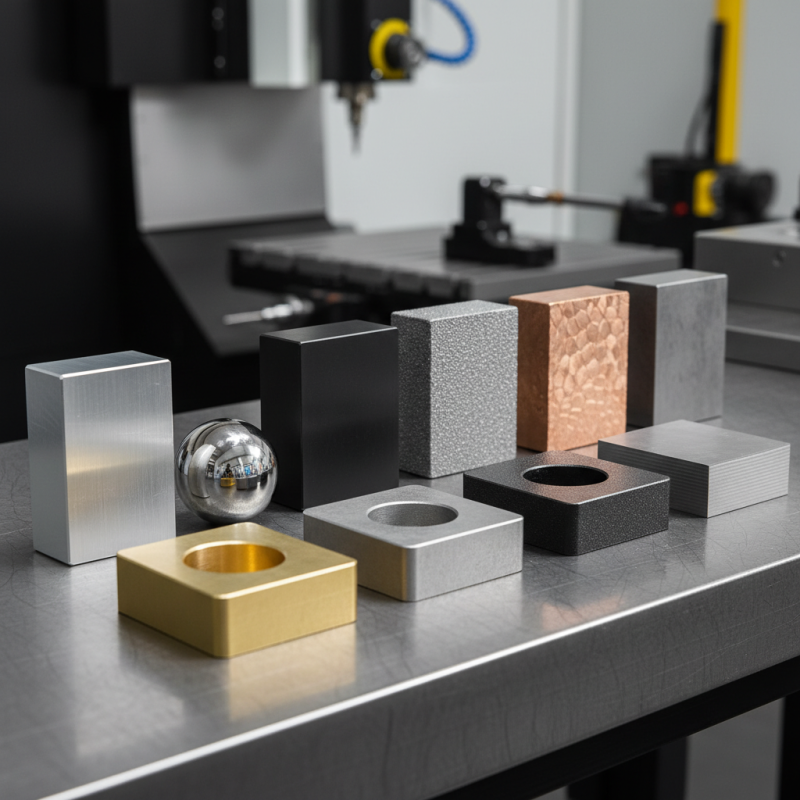
CNC finishing techniques are vital in the manufacturing sector. They enhance the surface quality of machined parts, ensuring precision and aesthetic appeal. Various methods exist, each catering to different materials and desired outcomes.

One common technique is sanding. It smooths surfaces effectively but can be time-consuming. It requires skill to achieve the perfect finish.

Another method is polishing, which gives a reflective surface. However, achieving the right balance of shine can be challenging.

Blasting is yet another method used widely. It removes imperfections but can alter dimensions. This technique needs careful control to prevent unwanted changes.

Understanding these methods allows manufacturers to make informed decisions but reflection on outcomes is essential. Each method has its strengths and weaknesses, requiring a tailored approach.

Understanding Surface Finishing: Importance and Applications in CNC Machining

Surface finishing is a critical aspect of CNC machining that significantly impacts the quality and functionality of parts. According to a report from the Precision Machined Products Association, nearly 70% of manufacturers acknowledge surface finish as a key factor in customer satisfaction. Finished surfaces enhance not just aesthetics but also performance, reducing wear and corrosion over time. For example, anodizing can increase a component’s lifespan by about 50%, illustrating its importance in various applications.

In diverse industries, the choice of finishing technique is crucial. Techniques such as polishing, bead blasting, and chemical etching cater to different needs. A study by the Manufacturing Institute suggests that an estimated 30% of machining costs are tied to surface finishing processes. This often includes labor, materials, and machining time. Therefore, manufacturers must carefully evaluate their finishing strategy to balance cost and quality. The reflection on such aspects is vital for sustaining competitive advantage. Inconsistent finishing practices can lead to rework and increased waste, which are both detrimental to efficiency.

Top 10 Common CNC Finishing Techniques

Common CNC Finishing Techniques: A Comparison of Efficiency and Cost

CNC finishing techniques impact efficiency and cost significantly. Various techniques, like milling, grinding, and polishing, each offer unique benefits. A recent study indicated that precision milling provides a 30% improvement in surface finish compared to traditional methods. This can lead to better product performance, making it ideal for aerospace and automotive sectors.

Cost analysis shows that CNC milling, while effective, can be more expensive. The material waste is higher, and tooling costs add to the total. Comparatively, abrasive waterjet cutting offers lower operational costs with minimal waste. Reports suggest a 20% reduction in total expenses when using this method for thicker materials.

However, reliance on one technique can be limiting. Not all approaches suit every material or project. For instance, while polishing gives excellent surface quality, it is time-consuming and labor-intensive. Decision-makers must gauge these factors carefully. Understanding the pros and cons of each technique ensures better compliance with project budgets and timelines.

Data-Driven Insights: How CNC Finishing Techniques Affect Product Quality

CNC finishing techniques play a crucial role in determining the overall quality of manufactured products. According to a recent industry report, nearly 70% of product failures can be traced back to poor finishing processes. Techniques such as grinding, polishing, and anodizing significantly affect the durability, aesthetics, and performance of parts. Companies that invest in high-quality finishing processes report an increase in customer satisfaction by 30%.

One key insight is that precision matters. A mere 10 microns can separate a product from being acceptable or rejected. Tips for improving accuracy include using advanced measurement tools and conducting regular quality checks. It’s essential to not overlook the importance of using appropriate finishing methods tailored for specific materials.

Did you know that surface finish can influence the rate of wear? Research shows that a smoother surface significantly reduces friction. This is especially critical in high-speed applications. Regularly updating techniques and training staff on best practices can yield better results. Adapting to evolving standards often uncovers areas for improvement.

Global Trends in CNC Finishing: Innovations and Market Demand Analysis

The CNC finishing market is evolving rapidly. A recent report suggests the global CNC finishing market is projected to grow significantly, reaching USD 8.5 billion by 2026. Advances in technology are pushing innovations. New methods offer improved accuracy and efficiency, which attract manufacturers worldwide.

Automation is a key trend in CNC finishing. Enhanced software solutions streamline production processes. They reduce labor costs and minimize errors. However, the integration of automation presents challenges. Many workers require reskilling to adapt to new technology. Companies must balance automation with human expertise to maintain quality.

Sustainability is also becoming crucial. The demand for eco-friendly processes is rising. Manufacturers seek materials and techniques that reduce waste. Studies indicate that nearly 70% of industry leaders prioritize sustainability in production. This shift requires ongoing innovation and adaptation from companies. Embracing sustainable practices will shape the future of CNC finishing.

FAQS

: What are common CNC finishing techniques?

: Common techniques include milling, grinding, and polishing, each with unique advantages.

How does precision milling improve surface finish?

Precision milling offers a 30% better surface finish compared to traditional methods.

Is CNC milling cost-effective?

CNC milling can be more expensive due to higher material waste and tooling costs.

What is the advantage of abrasive waterjet cutting?

Abrasive waterjet cutting reduces operational costs and waste by about 20%, especially for thicker materials.

Are all CNC finishing techniques suitable for every project?

No, not every technique suits all materials. Careful evaluation is needed for project requirements.

Why is automation important in CNC finishing?

Automation enhances efficiency and reduces labor costs, but requires worker reskilling and balancing with human expertise.

How is sustainability impacting CNC finishing?

There is a growing priority for eco-friendly processes. Nearly 70% of leaders focus on reducing waste in production.

What challenges come with integrating automation?

Workers often need new skills to adapt to automated technologies, which can be a significant hurdle.

Are there downsides to using polishing in CNC finishing?

Polishing improves surface quality but is time-consuming and labor-intensive.

What is the future outlook for the CNC finishing market?

The market is projected to reach USD 8.5 billion by 2026, driven by technological advancements and increased demand.

Conclusion

This article explores the question, "What are the most common CNC finishing techniques?" by providing a comprehensive overview of the key methods used in CNC machining. It highlights the significance of surface finishing, discussing its vital role in enhancing the aesthetic and functional qualities of machined parts. The article then delves into a comparative analysis of various finishing techniques, evaluating their efficiency and cost-effectiveness.

Furthermore, the article presents data-driven insights into how different CNC finishing methods influence product quality, emphasizing the importance of selecting the right technique based on specific requirements. Lastly, it examines global trends in CNC finishing, shedding light on innovations and market demand that shape the industry. Through this discussion, readers gain a clearer understanding of the landscape of CNC finishing techniques and their critical applications in manufacturing processes.

Henry

Henry

Henry is a dedicated marketing professional with a profound expertise in the company's offerings. With years of experience in the industry, he possesses an impressive understanding of the market dynamics and consumer behaviors that drive success. Henry is committed to sharing his insights through......