In the rapidly evolving world of manufacturing, "How to reduce production costs with CNC machining?" has become a pressing question for many businesses. Industry expert Dr. Jane Smith, a renowned consultant in CNC technologies, asserts, “Innovative approaches can significantly lower machining costs and improve efficiency.” This statement highlights the urgency of exploring cost-effective strategies in CNC machining.
Reducing production costs isn’t just about cutting corners. It involves thoughtful adjustments and an understanding of the entire manufacturing process. For instance, optimizing tool paths and choosing the right materials can lead to substantial savings. Additionally, leveraging advanced software tools can enhance precision and minimize waste, ultimately impacting the bottom line.
As companies strive to remain competitive, they must evaluate their current practices. Many rely on traditional methods, ignoring modern solutions that can drive costs down. In today's market, staying informed about the latest advancements is crucial. Exploring innovative techniques can provide a pathway to not only reduce production expenses but also boost overall operational efficiency.
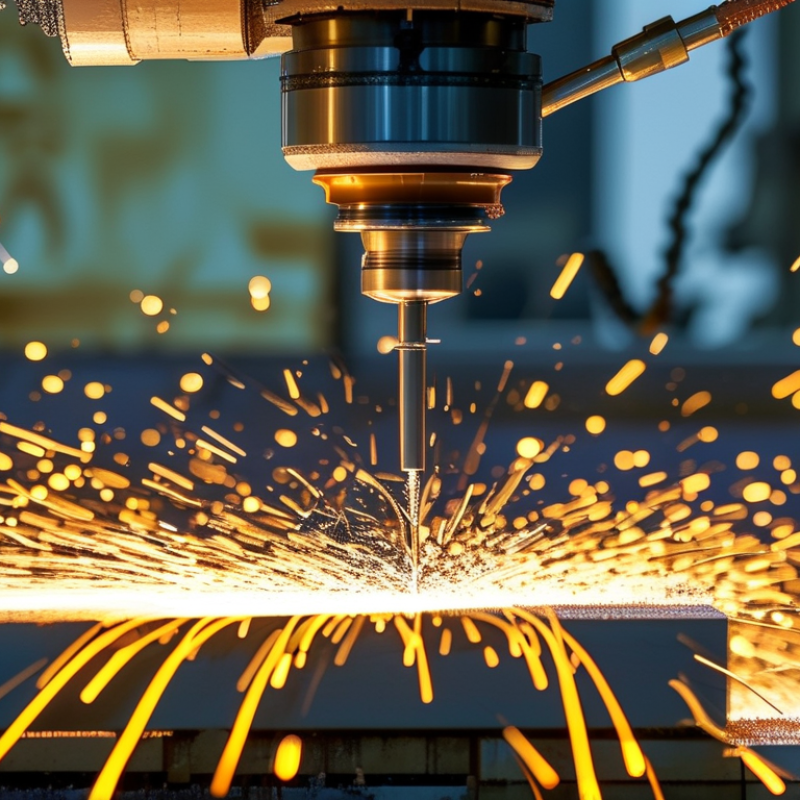
Evaluate and Optimize CNC Machine Setup Times for Efficiency
Evaluating CNC machine setup times is critical for achieving efficiency and cutting costs in production. A study reveals that setup time can consume nearly 30% of machining hours. By analyzing each step, companies can identify bottlenecks. This could be moving tools, calibrating machines, or loading materials. Each of these tasks needs scrutiny. Shortening setup time not only saves money but enhances overall productivity.
Moreover, training operators plays a significant role in optimizing these times. Skilled operators can complete setups more quickly. They use their experience to handle machines efficiently. Regular training and knowledge sharing also fosters a culture of continuous improvement. However, not every operator may adapt quickly, leading to inconsistencies in the process.
Implementing a standardized procedure can mitigate this issue. Documenting best practices ensures everyone follows the same guidelines. This adds reliability to the operation. But it’s crucial to regularly review and adjust these practices. Stagnation can occur if teams don’t reflect on their setup processes. Embracing flexibility allows for ongoing efficiency improvements.
Implement Statistical Process Control (SPC) Techniques in CNC Machining
Implementing Statistical Process Control (SPC) techniques in CNC machining can significantly lower production costs. SPC focuses on monitoring and controlling processes through statistical methods. This approach helps in identifying variations and defects early in the production cycle. Operators can make quick decisions based on real-time data. As a result, the overall efficiency of machining operations improves.
SPC requires a systematic collection of data. Operators must be trained to use software tools that analyze this data effectively. This training is crucial. It helps in understanding process capabilities and limitations. Identifying trends in production helps in preventive actions before issues escalate. However, there can be challenges. Not all employees might adapt quickly to data-driven practices. This resistance can slow down the benefits of implementing SPC.
Moreover, SPC isn't a one-size-fits-all solution. Some processes may require more granular data analysis. In some cases, the initial investment in training and software can be high. It's important to review the outcomes regularly. Continuous improvement should be the goal, based on data analysis. This iterative process ensures that businesses are not only cutting costs but are also enhancing quality and efficiency over time.
Explore Alternative Materials to Reduce Costs Without Sacrificing Quality
In the quest to cut CNC machining production costs, exploring alternative materials is a vital strategy. Manufacturers can significantly reduce expenses by selecting materials that offer similar mechanical properties at a lower price point. For instance, instead of traditional metals, consider using advanced polymers or composites. These materials can provide sufficient strength while being lighter and sometimes more affordable.
Transitioning to new materials isn't always straightforward. Some alternatives might not perform identically in high-stress applications. It’s crucial to conduct thorough testing to ensure that quality is not compromised. Manufacturers should consider how these materials behave under load, temperature variations, and environmental conditions. Engaging with experienced engineers during this selection process can lead to better outcomes.
It's important to remember that cost reduction efforts may require adjustments in production techniques. Changing the tooling or fabrication processes can also lead to unforeseen challenges. Each new material might demand unique handling characteristics. Manufacturers must be willing to adapt and learn from any setbacks encountered along the way. This reflective approach not only fosters innovation but also strengthens the overall manufacturing process.
Top 10 Ways to Cut CNC Machining Production Costs
| Alternative Material |
Cost Savings (%) |
Quality Impact |
Machining Difficulty |
| Aluminum Alloys |
15% |
Minimal |
Easy |
| Plastic Composites |
25% |
Moderate |
Easy |
| Carbon Steel |
10% |
Neutral |
Moderate |
| High-Density Polyethylene (HDPE) |
20% |
Low |
Easy |
| Zinc Alloys |
30% |
Moderate |
Difficult |
| Titanium Alloys |
5% |
Significant |
Very Difficult |
| Stainless Steel |
8% |
Minor |
Moderate |
| Brass |
12% |
Minimal |
Moderate |
| Wood Composites |
18% |
Low |
Easy |
| Ceramics |
22% |
High |
Very Difficult |
Invest in Skilled Workforce Training for Enhanced Productivity and Precision
Investing in skilled workforce training is crucial for reducing CNC machining production costs. According to the National Institute for Metalworking Skills, effective training can boost productivity by up to 20%. A well-trained workforce is more adept at handling complex tasks, which enhances precision and efficiency. When employees understand the intricacies of CNC machinery, they make fewer mistakes, significantly cutting down on waste.
Moreover, industry reports suggest that companies with ongoing training programs experience a 40% lower turnover rate. Retaining skilled workers reduces the costs associated with hiring and onboarding new talent. Each new hire incurs costs, such as recruitment and training time, which can strain budgets. Thus, companies that prioritize employee development cultivate a loyal team that drives continuous improvement.
However, it’s vital to create training programs tailored to specific needs. One-size-fits-all approaches often overlook unique operational challenges. Feedback from employees about their training needs can uncover areas for improvement. Continuous assessment of these programs ensures they remain relevant and effective. When businesses reflect on and adapt their training strategies, they align workforce skills with production demands more efficiently.
Utilize CNC Machining Software for Improved Planning and Resource Management
Utilizing CNC machining software can significantly improve planning and resource management. According to a recent industry study, companies that implement advanced software solutions can reduce production costs by up to 30%. This is primarily due to better scheduling and allocation of resources, driving efficiency in operations.
Effective software allows for real-time monitoring of machine performance and resource usage. This helps identify bottlenecks before they escalate, leading to cost savings. Some reports reveal that nearly 20% of downtime is linked to mismanagement of resources. By using specialized software, manufacturers can minimize these inefficiencies.
Moreover, accurate forecasting tools in CNC machining software can enhance decision-making. Data-driven insights allow firms to anticipate demand shifts and adjust production accordingly. In a dynamic market, this adaptability is crucial. Yet, many firms still rely on outdated methods. This can hinder their ability to compete effectively. Investing in technology is not just beneficial; it is essential for survival in the evolving landscape of CNC machining.
Conclusion
In modern manufacturing, understanding "How to reduce production costs with CNC machining?" is critical for maintaining competitiveness. One key strategy is to evaluate and optimize CNC machine setup times, which can significantly enhance efficiency. Implementing Statistical Process Control (SPC) techniques helps in monitoring and managing processes, thereby minimizing waste and ensuring quality. Additionally, exploring alternative materials can lead to cost savings while maintaining product integrity.
Investing in workforce training is essential, as a skilled workforce can drive productivity and precision in operations. Lastly, utilizing CNC machining software for improved planning and resource management can streamline workflows, enabling companies to produce parts more efficiently and effectively. By incorporating these techniques, manufacturers can successfully reduce production costs while upholding quality standards.

 Gemnexa CNC