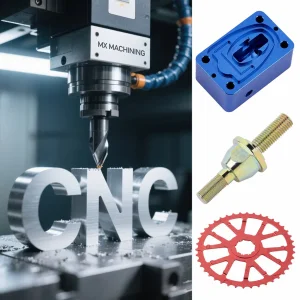
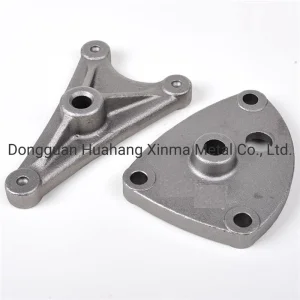
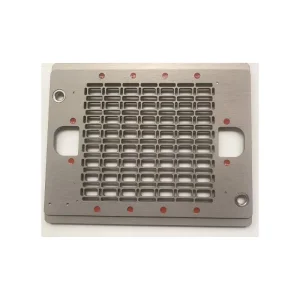
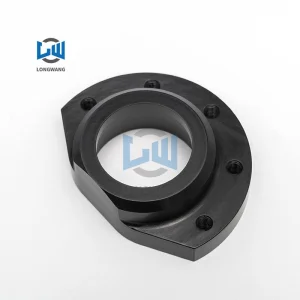
In the rapidly shifting landscape of global manufacturing, selecting the right CNC (Computer Numerical Control) machining partner represents the difference between market leadership and supply chain failure. High-precision industries, including aerospace, medical devices, automotive technologies, and semiconductor manufacturing, require components with tolerances of less than ±0.005mm. Meeting these extreme technical thresholds demands a meticulous understanding of material science, multiaxis toolpaths, and automated quality control frameworks.
Modern CNC machining is no longer simply a subtractive processing activity; it has evolved into an integrated service ecosystem incorporating Design for Manufacturability (DFM) analysis, complex fixture design, surface treatment engineering, and agile supply chain responsiveness. Global buyers look beyond raw machine capacity to locate factories capable of handling comprehensive life-cycle requirements, from prototype fabrication to scale production runs.
China's manufacturing centers, particularly in coastal hubs like Ningbo and Shenzhen, contain dense clusters of sub-tier suppliers. From local raw material casting foundries and specialized heat treatment plants to surface coating clinics, the proximity minimizes transport delays and simplifies logistics.
Chinese precision factories are optimized to support both low-volume, high-mix custom prototypes and high-volume injection molding or stamping processes. Multi-shift operations allow for rapid turnaround of complex aerospace, medical, and camera assemblies.
Advanced automation and high-speed CNC centers allow manufacturers to yield lower piece-part pricing without compromising on surface roughness (Ra) standards. This makes Chinese manufacturers key strategic partners for global supply chains looking for cost efficiencies.
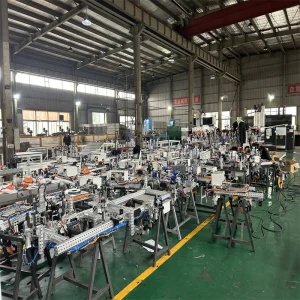
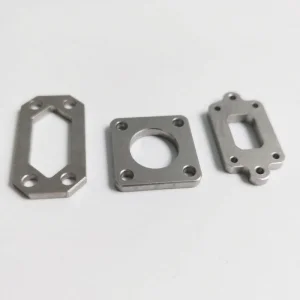
Ningbo Gemnexa CNC Co., Ltd. is a professional manufacturer and precision machining enterprise specializing in CNC machining and mould tooling, dedicated to providing high-quality custom components and precision solutions for global industries. With a complete and scientific quality management system in place, Gemnexa CNC is recognized for its commitment to integrity, product quality, and continuous innovation in the precision machining field. The company integrates advanced CNC milling, turning, drilling, and multi-axis machining capabilities with experienced technical teams to deliver components that meet stringent customer specifications across automotive, aerospace, electronics, medical, and industrial sectors.
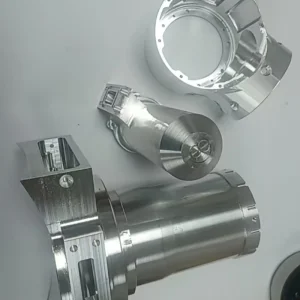
By embedding rigorous production workflows, Gemnexa CNC has built a reputation for solving intricate engineering problems. From structural components for EV systems to optical enclosures for medical optics, their manufacturing capability leverages top-tier machinery to drive efficiency, ensuring every delivery complies fully with international dimensional standards.
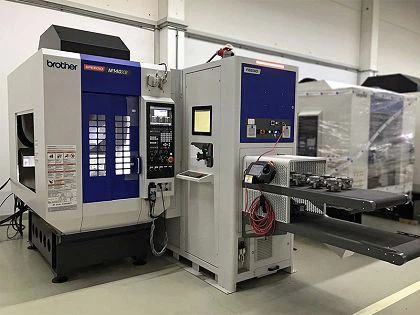
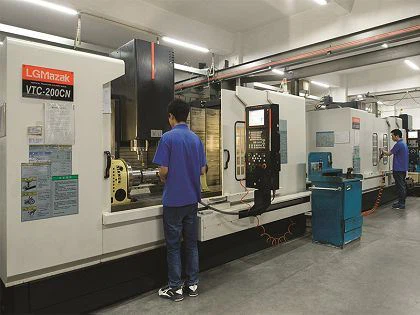
Situated in the thriving manufacturing region of Ningbo, Zhejiang Province, the company operates modern facilities equipped with cutting-edge machining centers and testing instruments to ensure consistent product excellence. Gemnexa CNC’s core services include precision CNC machining for metals and plastics, rapid prototyping, complex geometry parts, and mold fabrication. The company’s highly skilled engineers and technicians work closely with clients from design review through production to final inspection, ensuring efficient delivery and long-term reliability.
Committed to superior craftsmanship and customer-centric service, Ningbo Gemnexa CNC Co., Ltd. pursues excellence in every project, whether for prototype runs or large-scale production orders. By combining advanced technology, rigorous quality control, and responsive support, Gemnexa CNC continues to build strong partnerships worldwide and serve as a trusted partner for precision manufacturing solutions.
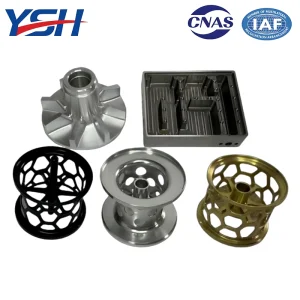
Aerospace assemblies require extreme lightweighting without sacrificing material tensile strength. Machining components from specialized alloys like Titanium (Ti-6Al-4V) and aerospace-grade Aluminum (7075-T6) ensures structural integrity. Utilizing five-axis simultaneous toolpaths allows factories to carve complex aerodynamic impellers and structural bulkheads with no room for error.
Medical fixtures, surgical instrumentation, and diagnostic housings demand pristine finishes and structural reliability. Factories must support medical-grade plastics (like PEEK and POM-C) and surgical stainless steels (316L). Tight control over post-machining passivation processes eliminates cross-contamination risks, adhering to medical compliance standards.
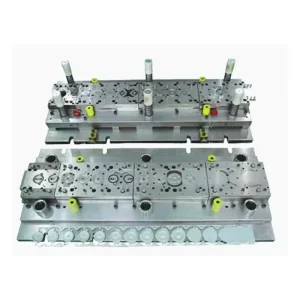
The global shift toward electric vehicles requires custom motor shafts, battery cooling plates, and complex lightweight structural housings. High-precision tooling, progressive stamping dies, and robust welding jigs (such as those engineered for vehicle floor pan and roof panel assembly) are critical components to maintain assembly line cadence and vehicle crash safety standards.
Components used inside cleanrooms and high-vacuum chambers must not outgas or harbor molecular contaminants. This demands ultra-high-vacuum (UHV) compatible materials, super-fine surface finishes (Ra < 0.4 μm), and precise coordinate measurement inspection (CMM) to guarantee component performance under strict atmospheric limits.
As the digital landscape evolves, CNC mills and lathes are transitioning into cloud-monitored, data-driven endpoints. Industry 4.0 paradigms are no longer optional additions but are critical to operational efficiency. Let's look at the three major technical trends impacting how modern factories deliver components:
Modern machining units integrate optical or contact probes inside the enclosure to measure dimensions directly on the chuck. This closed-loop calibration corrects tool wear deviations instantly, ensuring long production batches maintain a sub-micron standard without constant manual adjustment.
Leading suppliers now combine 3D metal printing with CNC finishing. The additive process forms near-net shapes with internal cooling channels, and the CNC milling center details the interfaces to target values. This hybrid method reduces raw material waste by up to 70%.
AI-driven CAM software analyzes complex 3D CAD files to compute optimal feed speeds and cutting depths. This prevents tool breakage, minimizes cycle times, and prevents micro-chatter, resulting in cleaner surface finishes and lower operational costs.
Global procurement teams must look past basic pricing parameters to assess a vendor's technical capability. A low initial quote can quickly lead to high total costs if components arrive out of tolerance or are delayed at shipping ports. Use this checklist during your next supplier audit:
Request complete Mill Test Certificates (MTC) alongside chemical analysis data to ensure raw materials (like Grade 5 Titanium or 6061-T6 Aluminum) are genuine. Cheap alloy substitutions can lead to mechanical failure under stress.
Ensure your supplier features coordinate measuring machines (CMM), optical comparators, profile meters, and non-destructive testing (NDT) instruments. Ensure all tools are calibrated regularly to international standards.
A proactive supplier will analyze your 3D files and suggest adjustments to draft angles, radii, or thread lengths. This collaborative design optimization makes machining simpler and helps control production costs.
Confirm that post-processing operations (anodizing, passivating, plating, or heat treatment) are managed in-house or by certified, vetted sub-tier suppliers. Unvetted partners are a common source of quality and delivery bottlenecks.
For rapid custom CNC prototypes, delivery times typically range from 3 to 7 working days, depending on geometry complexity and surface treatment requirements. Medium-to-high volume production batches typically take between 15 and 30 days. These timelines rely on early DFM sign-off and material availability.
Gemnexa CNC uses high-speed, multi-axis machining centers and verifies dimensions with automated CMM inspection setups. Their process monitors temperature variations on the shop floor to prevent thermal expansion discrepancies. Every batch is supplied with comprehensive dimensional reports to confirm compliance.
For demanding metallic applications, Stainless Steel (such as 316L or duplex alloys) and Titanium (Ti-6Al-4V) deliver high thermal and mechanical performance. For non-metallic components, engineering plastics like PEEK (Polyetheretherketone) provide excellent structural strength, chemical resistance, and wear stability at temperatures up to 250°C.
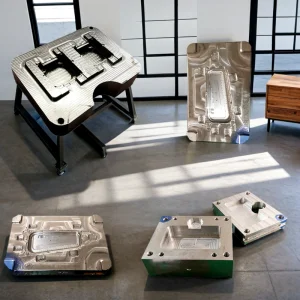
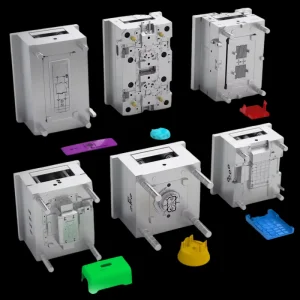
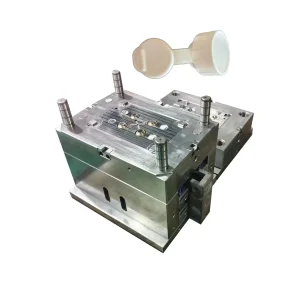
Yes, our featured catalog showcases progressive metal stamping dies, die-casting moulds, and high-precision plastic injection molds (such as ABS/PP/PC molds). Supporting both metal and plastic processing allows us to act as a single-source partner for complex product assemblies.
DFM identifies challenging geometries, such as sharp internal corners, deep narrow pockets, or thin walls, that can lead to tool deflection or breakage. Addressing these design constraints early optimizes toolpaths, cuts cycle times, and lowers overall production costs.
 Gemnexa CNC