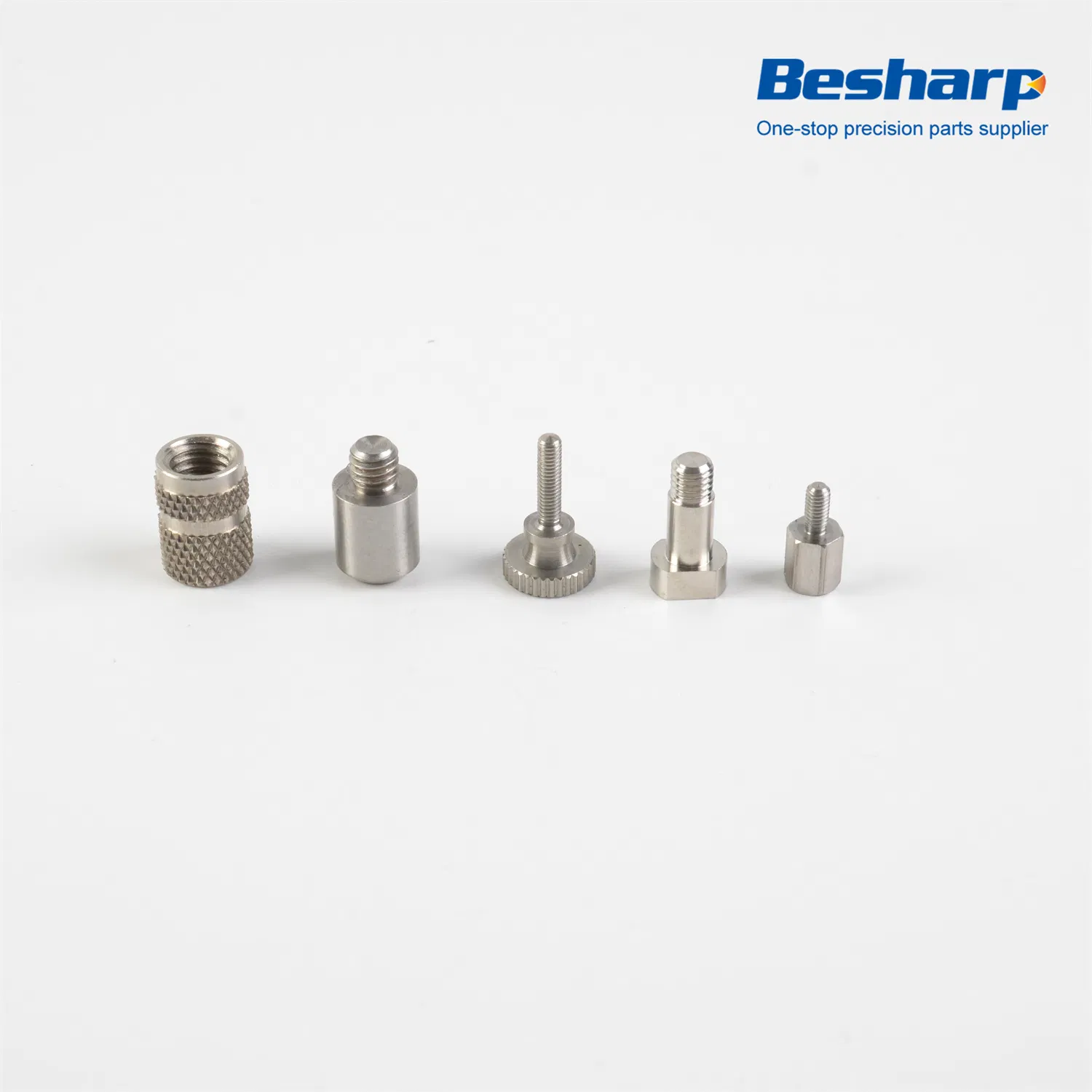
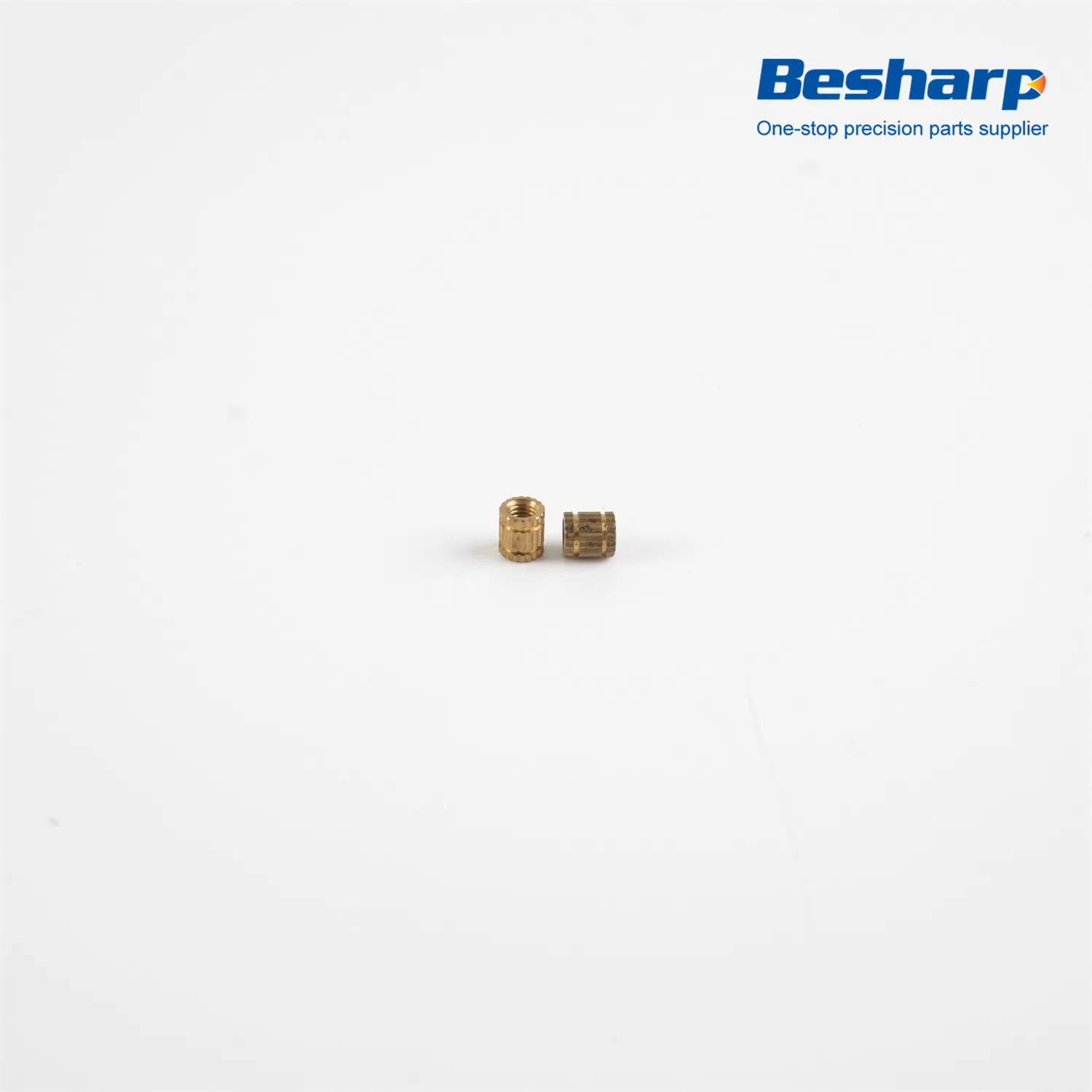
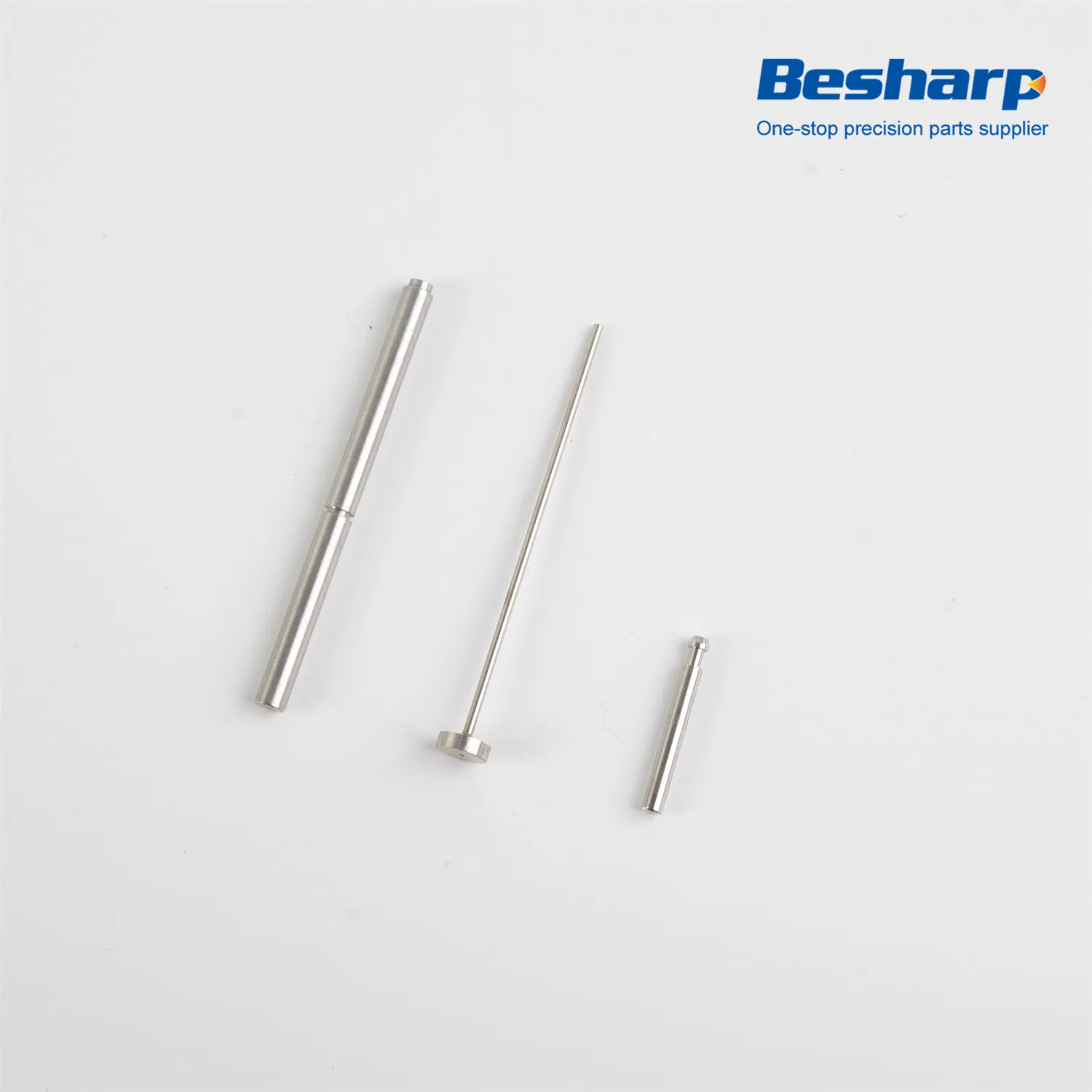
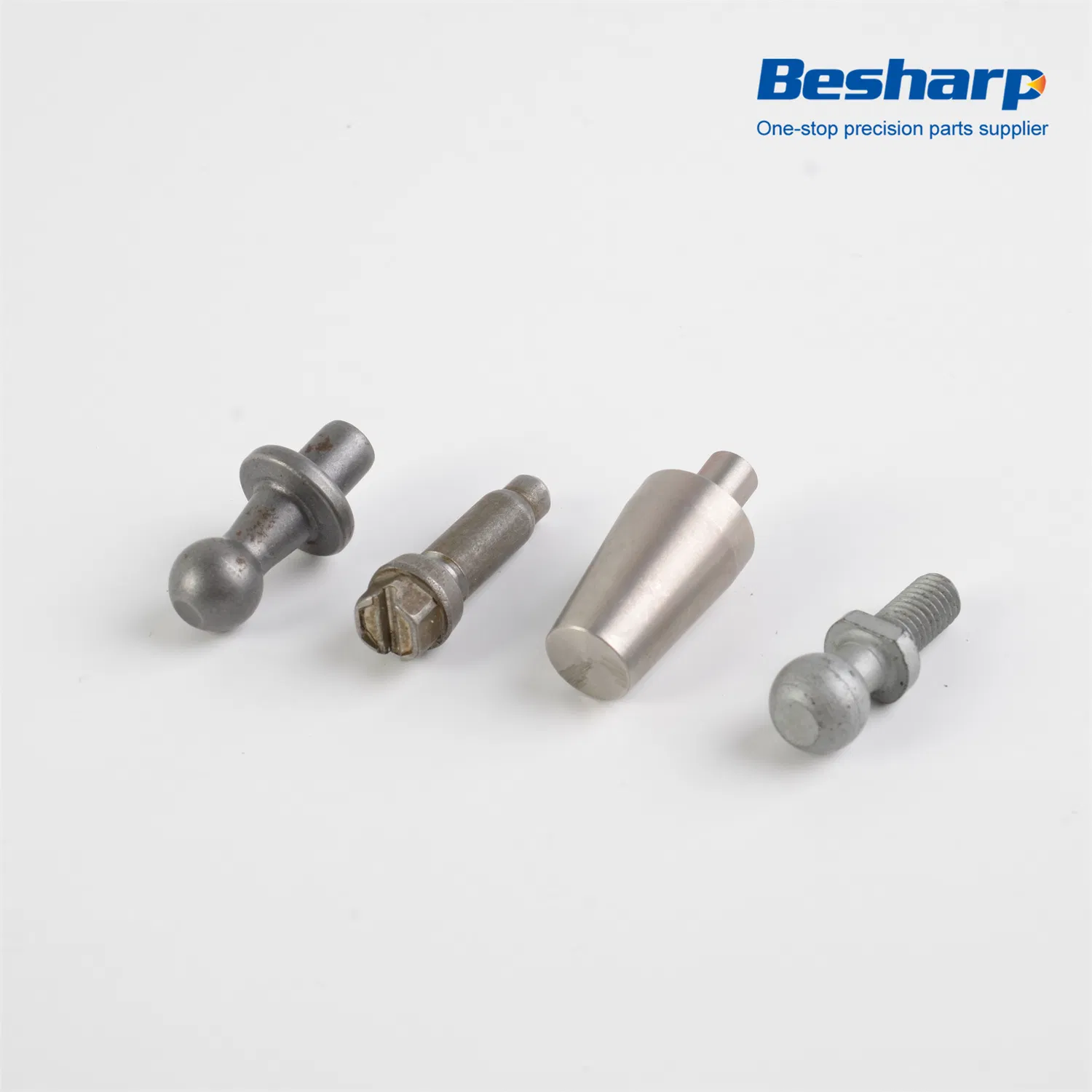
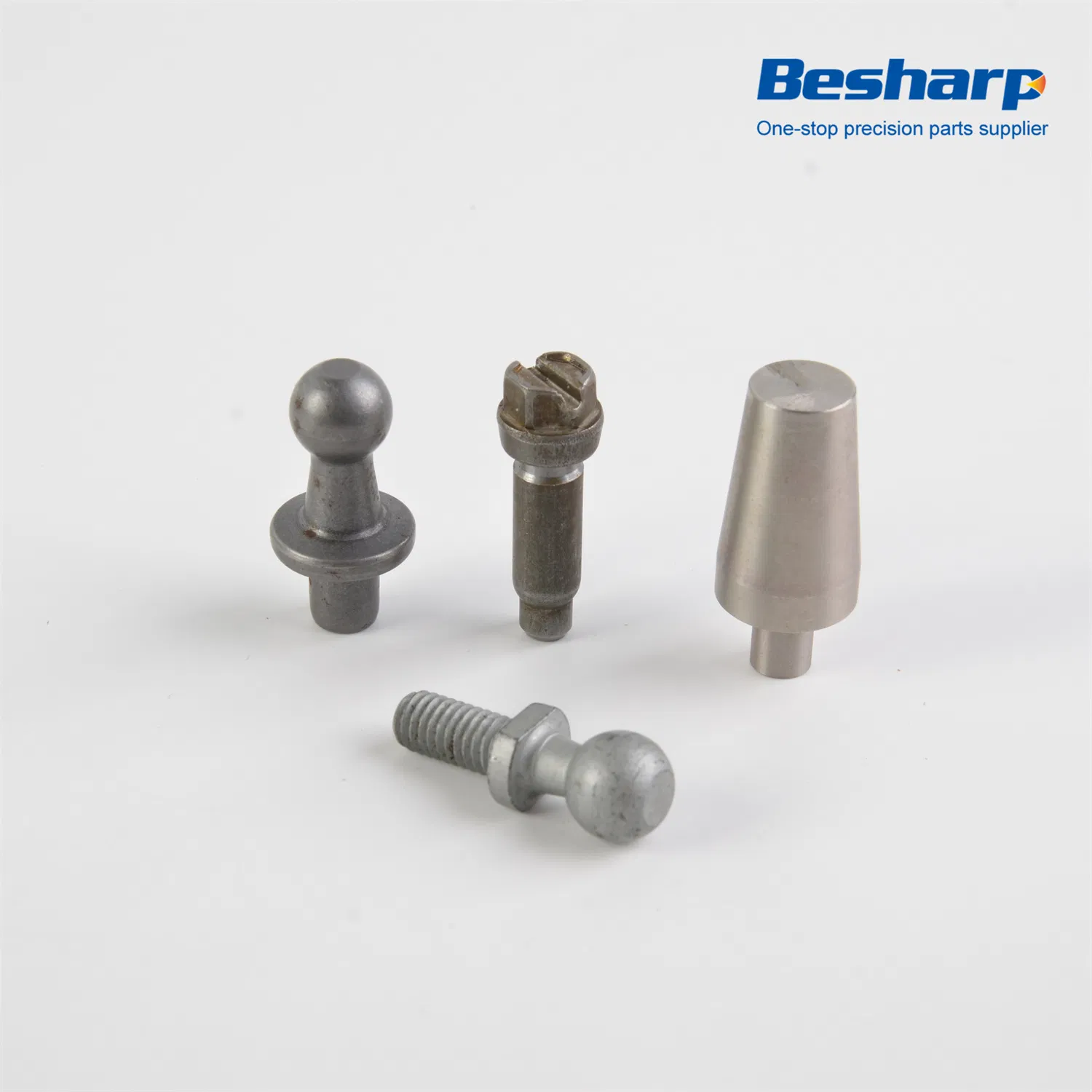
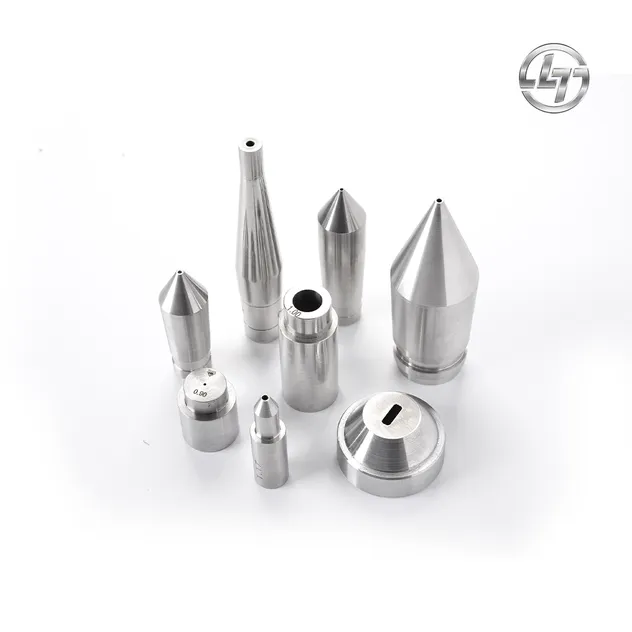
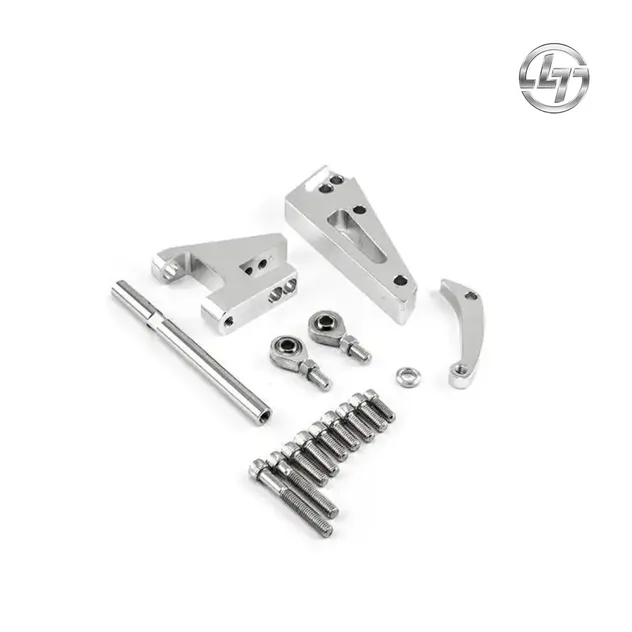
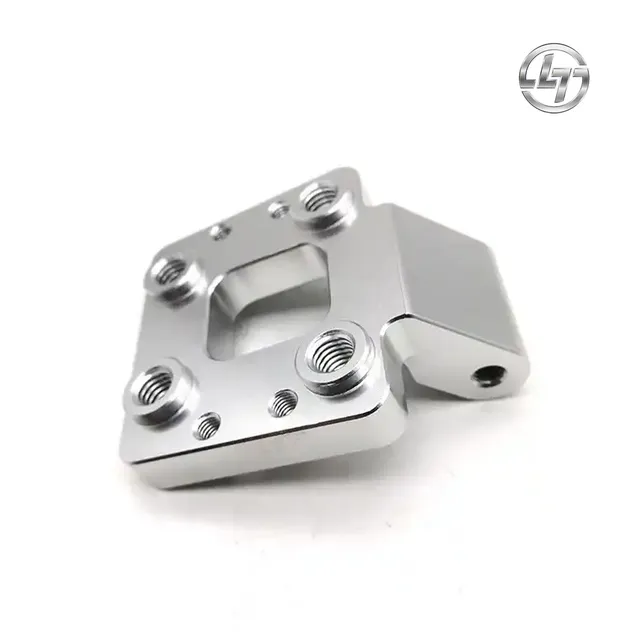
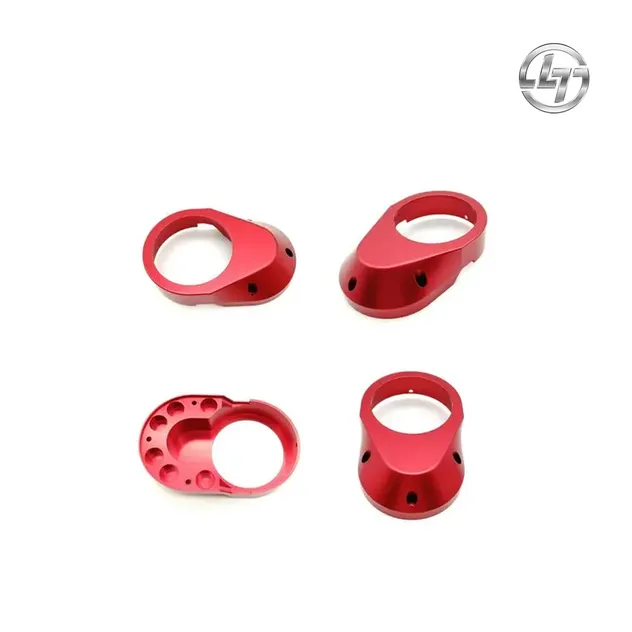
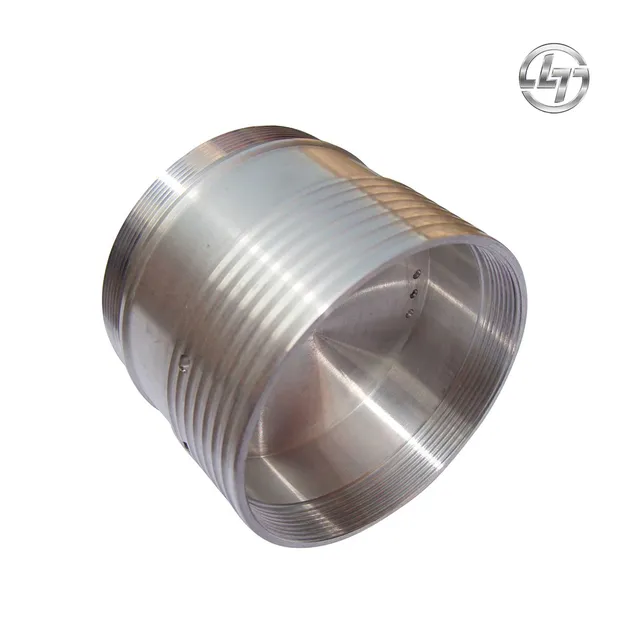
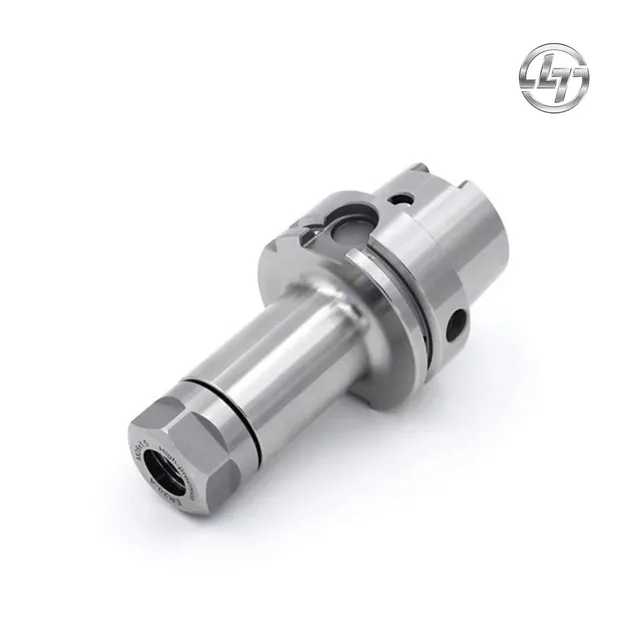
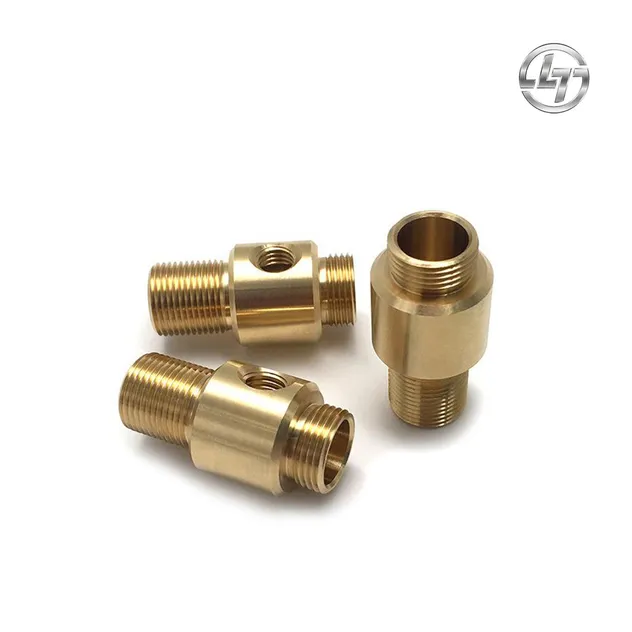
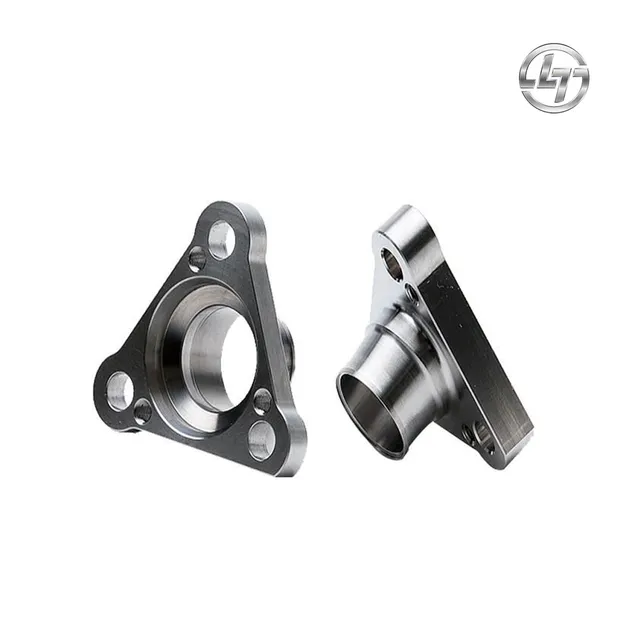
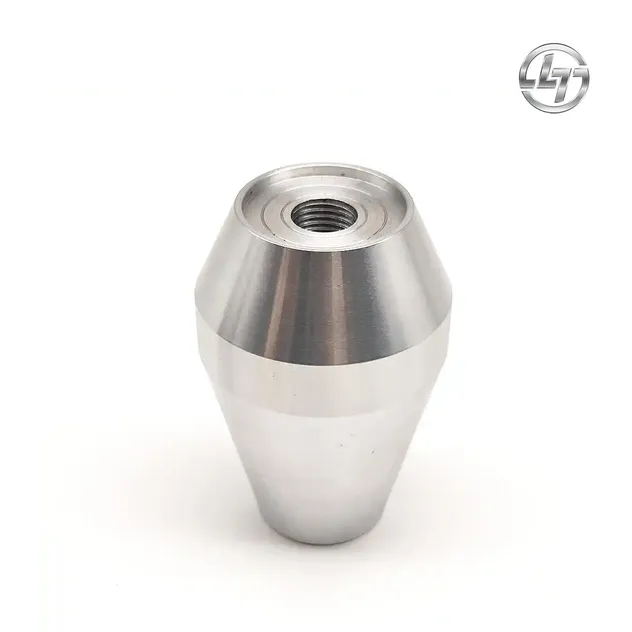
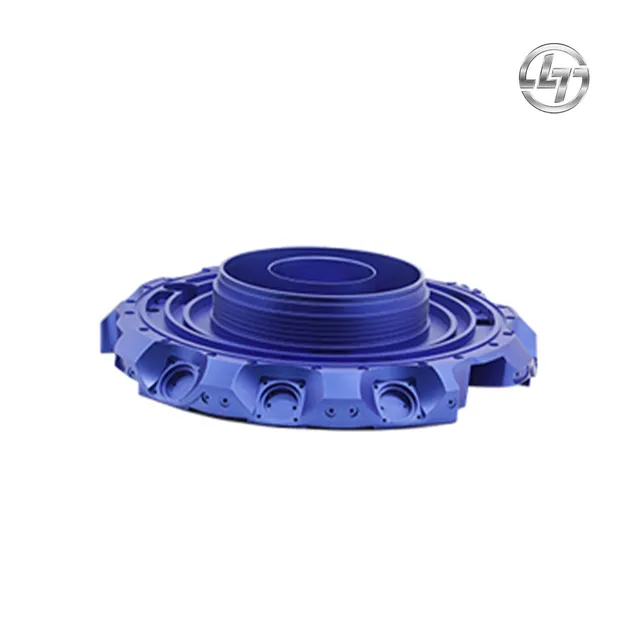
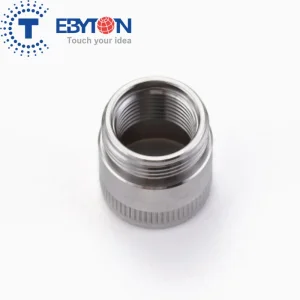
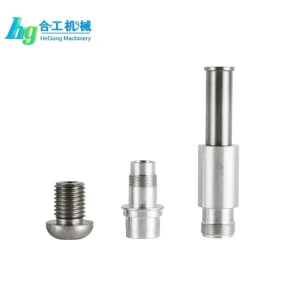
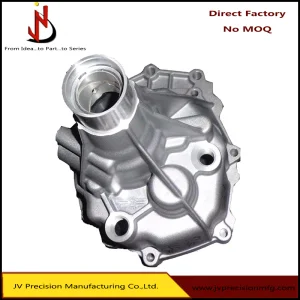
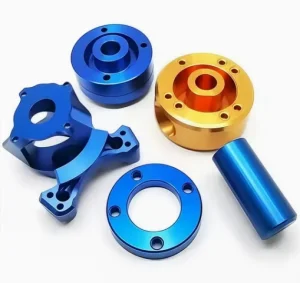
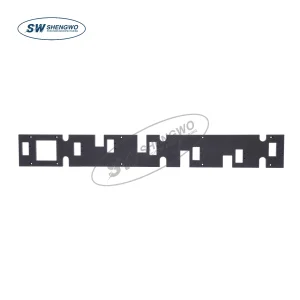
Durable CNC Machined Component for Automotive and Motorcycle Use

Still deciding? Get samples of $ !
Request Sample

Product Description

iBasic Information
Model NO.
JLT24-C0001
Surface Treatment
Per Customer Request
Production Type
Mass Production
Machining Method
CNC Machining
Material
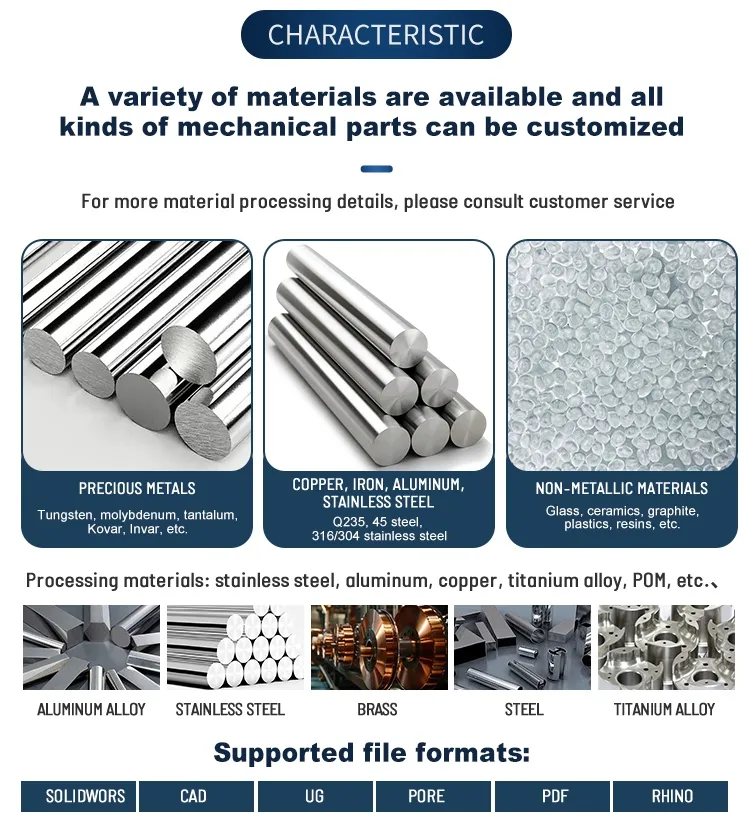
Nylon, Steel, Plastic, Brass, Alloy, Copper, Aluminum, Iron
Tolerance
+/-0.01mm
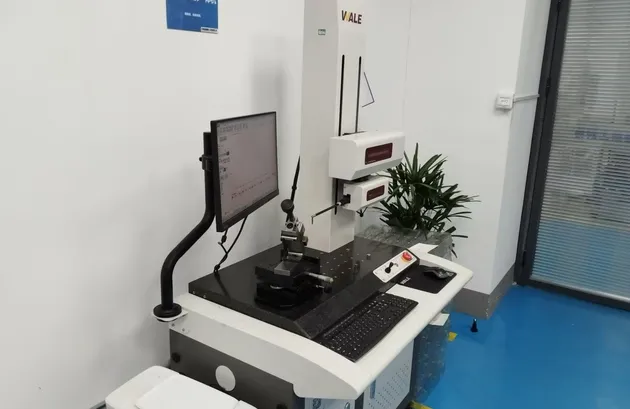
QC System
100% Inspection Before Shipment
Processing
CNC Milling, Turning, Grinding, EDM Wire Cutting
Product Description
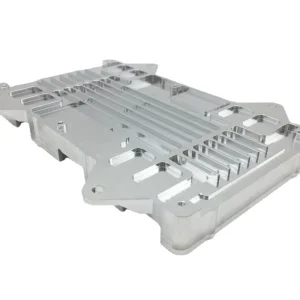
Durable CNC Machined Component
PRODUCT PARAMETERS
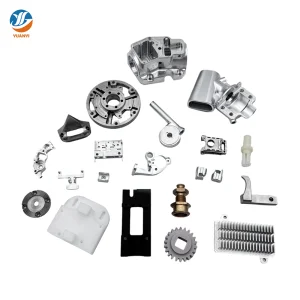
Custom CNC machining is a precision subtractive manufacturing process. Computer-controlled tools (mils, lathes, routers) selectively remove material from solid blocks (metal, plastic, or composite) to produce highly accurate, complex parts meeting exact specifications.
Product name CNC machining services
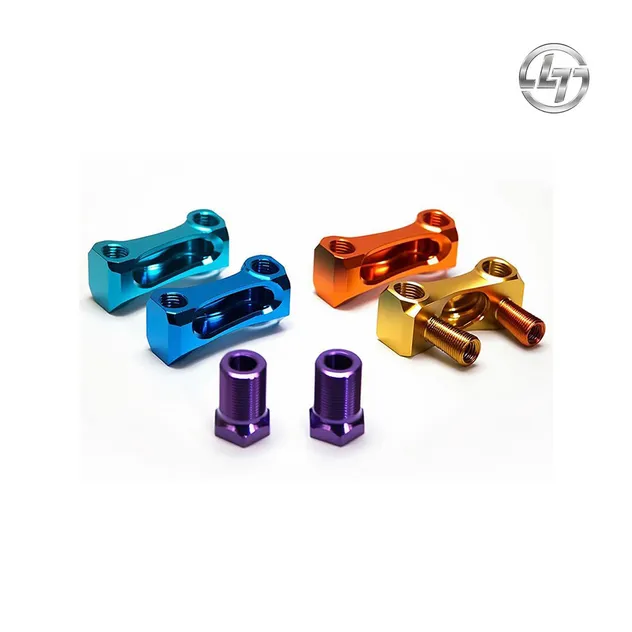
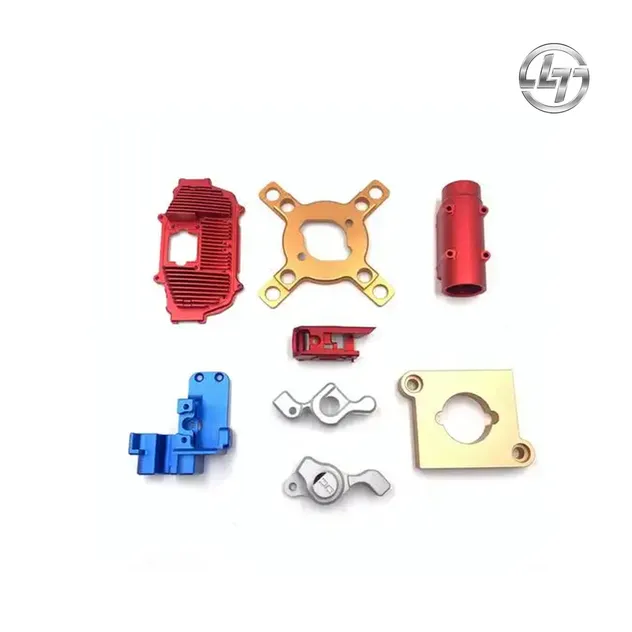
Surface treatment Anodizing, bead blasting, black oxide, polishing, powder coating, painting, brushing, electroplating, passivation, or customer's requirements.
Material capacities Metal: aluminum alloy, stainless steel, brass, copper, tool steel, carbon steel, iron. Plastic: ABS, POM, PC, PA(nylon), PMMA, PEEK, etc.
CNC processing scope CNC 3-axis, 4-axis machining, CNC milling, CNC turning, CNC lathe, high precision 5-Axis turning-milling combined machining
Tolerance ±0.002~±0.005mm
Surface roughness Min Ra 0.02~3.2
📷Sample Display
Sample 1
Sample 2
Sample 3
Sample 4
Sample 5
Sample 6
Material Selection
Materials

Professionalism You Can Rely On

In CNC precision machining, material selection directly shapes a component's stability, performance, and cost-efficiency. With over a decade of expertise, we excel at matching optimal materials to client needs, delivering reliable results through rigorous quality control.

Our premium portfolio caters to aerospace, automotive, medical, and electronics sectors. Key metals include 6061/7075 aluminum, 304/316L stainless steel, Grade 5 titanium, and conductive copper. We also offer engineering plastics like PEEK, Delrin, and ABS.
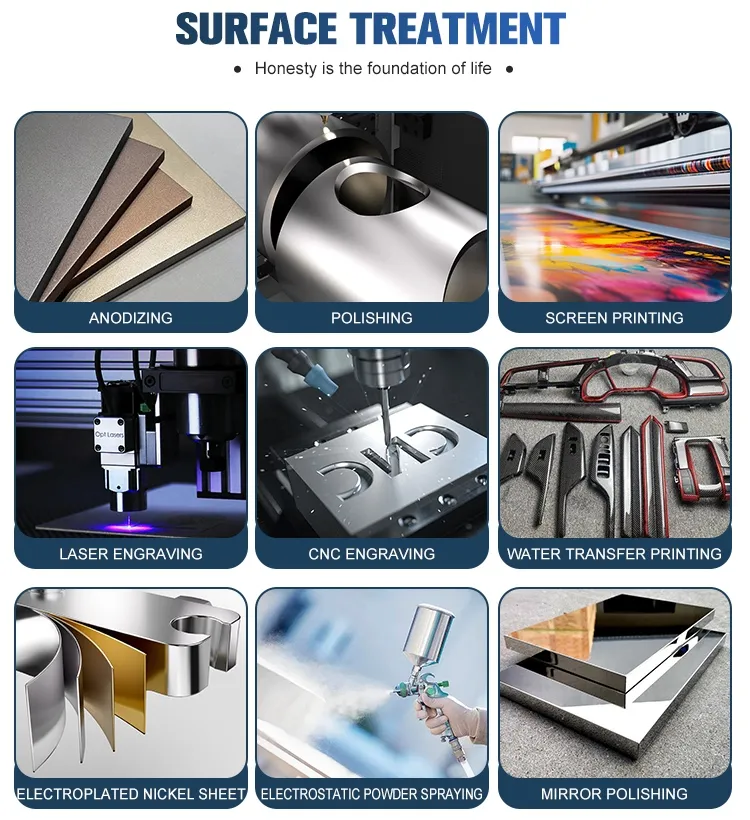
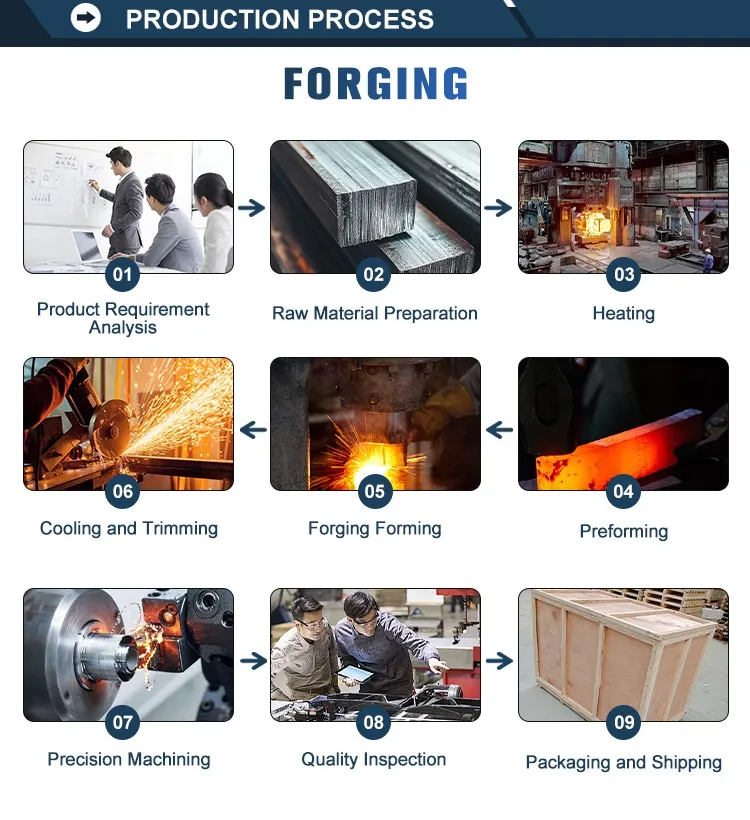
Surface Treatment & Production Process
Process 1
Process 2
🔥Hot Sales
Hot Sale 1
Hot Sale 2
Hot Sale 3
Hot Sale 4
Hot Sale 5
Hot Sale 6
📦Packaging & Shipping
Packaging 1
Packaging 2
Our product packaging is crafted with meticulous care, prioritizing protection, functionality, and environmental responsibility. We use robust cardboard boxes, tailored cushioning like foam or bubble wrap, and specialized wooden crates for fragile items. Our packaging integrates durability, functionality, and eco-friendliness, safeguarding product integrity while ensuring seamless, trustworthy delivery worldwide.
🏢Company Profile
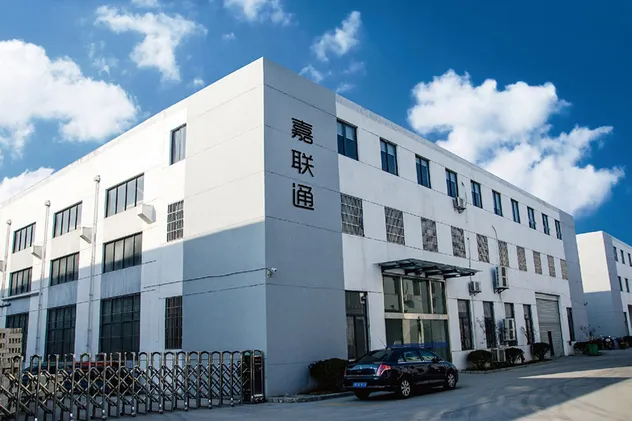
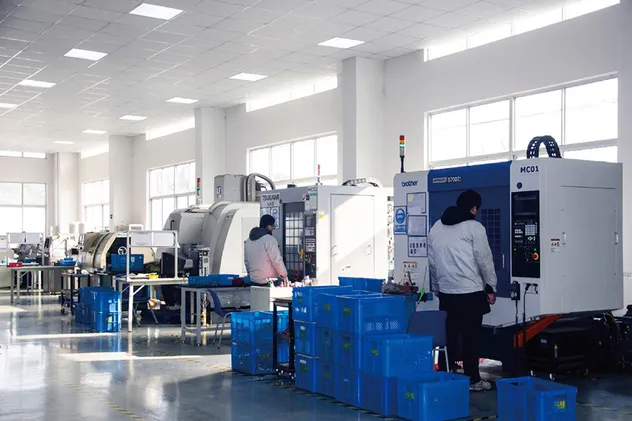
We are a leading provider of precision component machining and tailored technical solutions, dedicated to delivering excellent and customized solutions across industries worldwide, including Defense, Automotive, Medical Devices, Industrial Machinery, Robotics, and Consumer Electronics. Our expertise ensures precision, quality, and cost-effective solutions from concept to volume production.
Facility 1
Facility 2
Facility 3
💬Customer Feedback
Feedback

5-Star Feedback for Our CNC Parts

Trusted by global clients in aerospace, automotive, medical, and electronics industries, our CNC precision components earn consistent 5-star praise for tight tolerances (±0.001mm-±0.005mm), high-quality materials, and reliable custom machining solutions.
?Frequently Asked Questions
1. What core info is required for customization?
Provide 3D models (STP/IGS), 2D CAD drawings, material specs, tolerance demands (ISO 2768), and DFM requirements.
2. What's the typical precision range?
Standard: ±0.01mm; High-precision: ±0.005mm via five-axis machining; Ultra-precision: ±0.001mm with nanomachining.
3. Which materials are commonly processed?
6061/7075 aluminum alloy, 316L/17-4PH stainless steel, titanium alloy, and CFRP (carbon fiber reinforced composites).
4. What's the lead time for mass production?
10-30 days: Standard parts (10-15 days); complex five-axis machining (20-30 days) with digital twin simulation.
5. How to ensure IP security?
We sign confidentiality agreements, mark unique part identifiers, and restrict unauthorized design reuse to protect your intellectual property.
6. What causes dimensional instability and how is it solved?
It is often caused by material internal stress or thermal deformation; this is solved by pre-annealing and fixture-fixed cooling.

Related Products